
Industrial facilities face significant fire safety challenges that require systematic evaluation and management. Fire safety audits serve as essential assessment tools that examine potential hazards, evaluate existing protective measures, and provide recommendations for improvement based on facility-specific requirements. These audits support regulatory compliance while establishing comprehensive safety protocols throughout organizations.
The audit methodology includes detailed inspection of fire prevention systems, emergency response procedures, and staff training programs. Qualified auditors examine equipment functionality, evacuation routes, detection systems, suppression mechanisms, and maintenance records to identify deficiencies and areas for enhancement. Steel manufacturing facilities present elevated fire risks due to the presence of combustible materials, extreme operating temperatures, and complex industrial equipment.
These environments require specialized safety assessments that address industry-specific hazards including molten metal handling, furnace operations, and chemical storage. Fire safety audits in steel production facilities evaluate heat management systems, material handling procedures, and emergency shutdown protocols. Comprehensive fire safety evaluations provide organizations with data-driven recommendations to reduce incident probability and severity.
Implementation of audit findings supports the development of effective fire prevention strategies, protects personnel and equipment, and maintains operational continuity. Regular safety assessments contribute to long-term facility reliability and regulatory compliance in high-risk industrial environments.
Key Takeaways
- Elion conducted a comprehensive fire safety audit at a steel manufacturing plant in Jharkhand.
- Fire safety is critical in industrial settings to prevent accidents and protect lives and assets.
- The audit identified key fire hazards and provided actionable recommendations for improvement.
- Implementation of recommended fire safety measures significantly enhanced the plant’s safety standards.
- Ongoing commitment to fire safety will ensure continued protection and compliance at the steel plant.
Overview of the Steel Manufacturing Plant in Jharkhand
The steel manufacturing plant located in Jharkhand is a significant player in India’s burgeoning steel industry, contributing to both local and national economies. This facility is characterized by its advanced production techniques and extensive use of technology, which enable it to produce high-quality steel products for various applications. The plant operates on a large scale, employing hundreds of workers and utilizing vast amounts of raw materials, including iron ore and coal.
Given the scale of operations, the plant’s infrastructure includes multiple production lines, storage areas for raw materials and finished goods, and various support facilities. However, the complexity of operations at the Jharkhand steel plant also introduces numerous fire safety challenges. The presence of combustible materials, such as coal dust and oils used in machinery, combined with high-temperature processes like smelting and forging, creates an environment where fire hazards are prevalent.
Additionally, the plant’s layout, which includes numerous interconnected buildings and outdoor storage areas, necessitates a comprehensive approach to fire safety that considers both internal and external risks. Understanding these dynamics is crucial for implementing effective fire safety measures that can mitigate potential threats. For comprehensive safety measures, consider scheduling a Fire Audit to ensure your premises are fully compliant.
Importance of Fire Safety in Industrial Settings
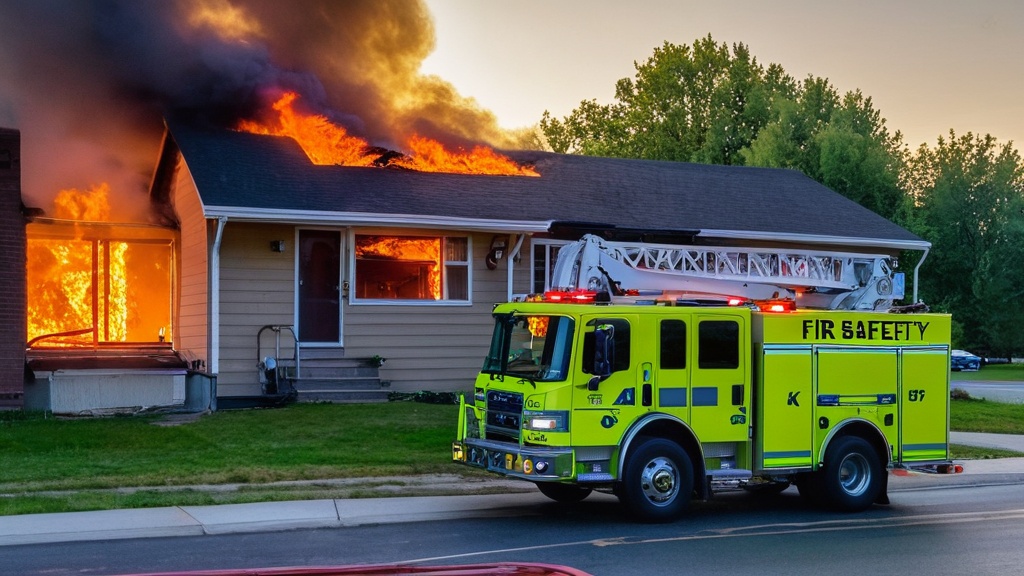
Fire safety in industrial settings cannot be overstated; it is a fundamental aspect of operational integrity and employee welfare. Industrial facilities often house large quantities of flammable materials and operate complex machinery that can generate heat and sparks. A single oversight can lead to catastrophic consequences, including loss of life, injury to workers, and significant financial losses due to property damage and production downtime.
Moreover, regulatory bodies impose strict fire safety standards that industries must adhere to, making compliance not just a legal obligation but also a moral imperative. The implications of inadequate fire safety extend beyond immediate physical damage; they can also affect an organization’s reputation and market position. Companies that experience fire incidents may face scrutiny from stakeholders, including investors, customers, and regulatory agencies.
Furthermore, the psychological impact on employees cannot be ignored; a workplace perceived as unsafe can lead to decreased morale and productivity. Therefore, prioritizing fire safety is essential for fostering a secure work environment that promotes employee confidence and operational efficiency.
Elion’s Approach to Conducting the Fire Safety Audit
Elion employs a systematic approach to conducting fire safety audits that encompasses several key phases: preparation, assessment, analysis, and reporting. The preparation phase involves gathering relevant documentation such as previous audit reports, safety policies, and emergency response plans. This foundational work ensures that auditors have a comprehensive understanding of the existing safety framework before they begin their on-site evaluation.
During the assessment phase, Elion’s team conducts a thorough walkthrough of the facility, examining all aspects of fire safety management. This includes inspecting fire detection systems, suppression equipment, emergency exits, and employee training programs. Auditors engage with staff at various levels to gauge their awareness of fire safety protocols and their preparedness for emergency situations.
Following the assessment, the analysis phase involves synthesizing the collected data to identify gaps in compliance and areas for improvement. Finally, Elion compiles its findings into a detailed report that outlines specific recommendations tailored to enhance the plant’s fire safety measures.
Findings and Recommendations from the Audit
| Metric | Details |
|---|---|
| Client | Steel Manufacturing Plant, Jharkhand |
| Audit Conducted By | Elion Fire Safety Experts |
| Date of Audit | March 2024 |
| Audit Duration | 3 Days |
| Number of Fire Safety Equipment Inspected | 45 |
| Fire Extinguishers Checked | 30 |
| Fire Hydrants Inspected | 10 |
| Emergency Exits Evaluated | 8 |
| Compliance Score | 87% |
| Major Non-Compliance Issues | 2 (Blocked Exits, Expired Extinguishers) |
| Recommendations Provided | Upgrade fire alarm system, Conduct staff training |
| Follow-up Audit Scheduled | September 2024 |
The findings from Elion’s Fire Safety Audit at the Jharkhand steel manufacturing plant revealed several critical areas requiring immediate attention. One significant issue identified was the inadequacy of fire detection systems in certain sections of the facility. While some areas were equipped with smoke detectors and alarms, others lacked sufficient coverage or had outdated equipment that was not functioning optimally.
This inconsistency posed a serious risk, as early detection is crucial for preventing small fires from escalating into larger incidents. In addition to detection systems, the audit highlighted deficiencies in employee training regarding fire safety protocols. Many workers were unaware of evacuation routes or emergency procedures in case of a fire outbreak.
To address these issues, Elion recommended implementing regular training sessions that not only educate employees about fire hazards but also conduct practical drills to reinforce their knowledge. Furthermore, upgrading fire detection systems across the facility was deemed essential to ensure comprehensive coverage and rapid response capabilities.
Implementation of Fire Safety Measures at the Steel Plant
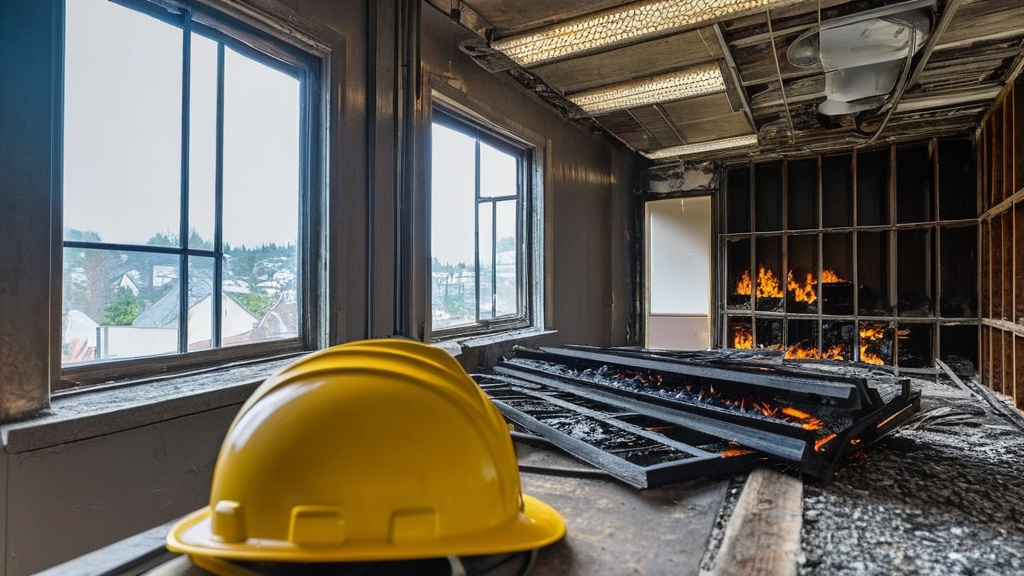
Following the audit’s findings and recommendations, the steel manufacturing plant in Jharkhand embarked on a comprehensive implementation plan aimed at enhancing its fire safety measures. The first step involved upgrading existing fire detection systems by installing state-of-the-art smoke detectors and alarm systems throughout the facility. This upgrade included integrating advanced technologies such as heat sensors that can detect temperature fluctuations indicative of potential fires.
Simultaneously, the plant management initiated a series of training programs designed to elevate employee awareness regarding fire safety protocols. These programs included workshops led by fire safety experts who provided insights into identifying hazards and responding effectively during emergencies. Practical drills were conducted regularly to ensure that employees could navigate evacuation routes confidently and understand their roles during a fire incident.
By fostering a culture of safety through education and preparedness, the plant aimed to empower its workforce to act decisively in emergencies.
Impact of the Audit on the Plant’s Overall Safety Standards
The impact of Elion’s Fire Safety Audit on the overall safety standards at the Jharkhand steel manufacturing plant has been profound. Following the implementation of recommended measures, there has been a noticeable improvement in both employee awareness and operational protocols related to fire safety. Employees now exhibit greater confidence in their understanding of emergency procedures, which has translated into more effective responses during drills and heightened vigilance in identifying potential hazards.
Moreover, the upgraded fire detection systems have significantly enhanced the plant’s ability to respond swiftly to any signs of fire risk. With improved technology in place, early detection has become more reliable, allowing for quicker intervention should an incident occur. This proactive approach not only safeguards human life but also protects valuable assets within the facility.
As a result, management has observed a marked decrease in near-miss incidents related to fire hazards since implementing these changes.
Conclusion and Future Steps for Fire Safety at the Steel Plant
Looking ahead, the steel manufacturing plant in Jharkhand recognizes that maintaining high standards of fire safety is an ongoing commitment rather than a one-time effort. Continuous improvement will be essential as new technologies emerge and operational practices evolve. The management plans to conduct regular follow-up audits with Elion to ensure that implemented measures remain effective and relevant over time.
Additionally, fostering an organizational culture centered around safety will be crucial for sustaining improvements in fire safety practices. This includes encouraging open communication about potential hazards and empowering employees to take ownership of their roles in maintaining a safe work environment. By prioritizing ongoing education and engagement with staff at all levels, the plant aims to create an enduring legacy of safety that not only meets regulatory requirements but also reflects its commitment to protecting its workforce and assets against fire risks.
Elion recently conducted a fire safety audit for a steel manufacturing plant in Jharkhand, ensuring that the facility meets the highest safety standards. This audit is part of Elion’s commitment to enhancing safety across various industries. For further insights into Elion’s dedication to safety and compliance, you can read about their successful environmental audit in a Kanpur leather unit, which highlights their comprehensive approach to environmental management and safety protocols. Check out the article here.
Need expert assistance with Fire Safety Audit? Contact Elion Technologies and Consulting Pvt. Ltd. now.
FAQs
What is the purpose of a fire safety audit in a steel manufacturing plant?
A fire safety audit aims to assess the existing fire prevention and protection measures within the plant, identify potential fire hazards, and ensure compliance with fire safety regulations to minimize the risk of fire incidents.
Who conducted the fire safety audit for the steel manufacturing plant in Jharkhand?
The fire safety audit was conducted by Elion, a company specializing in safety inspections and audits.
Why is fire safety particularly important in steel manufacturing plants?
Steel manufacturing involves high temperatures, flammable materials, and heavy machinery, which increase the risk of fire. Effective fire safety measures are crucial to protect workers, equipment, and the facility.
What are some common fire hazards in steel manufacturing plants?
Common hazards include sparks from welding, flammable gases and liquids, electrical faults, accumulation of combustible dust, and improper storage of flammable materials.
What does a fire safety audit typically include?
A fire safety audit usually involves inspecting fire detection and alarm systems, fire extinguishers, emergency exits, employee training, housekeeping practices, and compliance with local fire safety codes.
How often should fire safety audits be conducted in industrial plants?
Fire safety audits are generally recommended at least annually or more frequently depending on the plant’s risk profile and regulatory requirements.
What are the benefits of conducting a fire safety audit?
Benefits include identifying and mitigating fire risks, ensuring regulatory compliance, enhancing employee safety, reducing potential downtime, and protecting assets from fire damage.
What actions are taken after a fire safety audit?
After the audit, a report is prepared detailing findings and recommendations. The plant management then implements corrective measures to address identified risks and improve fire safety protocols.
Is employee training part of the fire safety audit process?
Yes, evaluating employee awareness and training on fire prevention, emergency response, and use of firefighting equipment is an important component of the audit.
Does the fire safety audit cover emergency preparedness?
Yes, the audit assesses emergency evacuation plans, availability and accessibility of emergency exits, and readiness of firefighting equipment to ensure effective response in case of a fire.