
Elion is a leading provider of electrical safety audit services, dedicated to ensuring that industrial facilities operate within the highest safety standards. With a focus on risk management and compliance, Elion’s team of experts conducts thorough assessments of electrical systems, identifying potential hazards and recommending corrective actions. The importance of electrical safety cannot be overstated, particularly in environments where large volumes of goods are stored and handled, such as distribution warehouses.
By leveraging advanced technology and industry best practices, Elion aims to enhance the safety and efficiency of electrical systems, ultimately protecting both personnel and assets. The company’s commitment to excellence is reflected in its comprehensive approach to electrical safety audits. Elion employs a systematic methodology that encompasses a detailed examination of electrical installations, equipment, and practices.
This process not only identifies existing issues but also anticipates future risks, allowing organizations to proactively address potential problems before they escalate. As industries evolve and the demand for safety increases, Elion remains at the forefront of electrical safety solutions, providing invaluable support to businesses across various sectors.
Key Takeaways
- Elion provides specialized electrical safety audit services tailored for industrial environments.
- Electrical safety audits are crucial for preventing hazards in FMCG distribution warehouses.
- Elion employs a systematic methodology to identify and address electrical risks effectively.
- Implementing recommended safety measures enhances operational safety and compliance.
- Regular audits offer ongoing benefits, including risk reduction and improved safety standards.
Overview of the FMCG Distribution Warehouse in Kolkata
The FMCG (Fast-Moving Consumer Goods) distribution warehouse in Kolkata serves as a critical hub for the storage and distribution of a wide range of consumer products. This facility operates on a large scale, handling thousands of products daily, from food items to personal care products. Given the high turnover rate of goods and the constant movement of inventory, the warehouse relies heavily on efficient electrical systems to power its operations.
This includes lighting, refrigeration units, conveyor belts, and various automated systems that streamline the distribution process. Kolkata, being one of India’s major metropolitan areas, presents unique challenges for warehouse operations. The region’s infrastructure, coupled with its climatic conditions, necessitates robust electrical systems that can withstand fluctuations in power supply and environmental factors.
The warehouse’s reliance on technology for inventory management and logistics further underscores the need for reliable electrical systems. As such, ensuring electrical safety within this facility is paramount not only for compliance with regulatory standards but also for maintaining operational efficiency and safeguarding employee welfare. For ensuring compliance and preventing hazards, it is essential to conduct a comprehensive Electrical Safety Audit.
Importance of Electrical Safety Audits in Industrial Settings

Electrical safety audits play a crucial role in industrial settings by identifying potential hazards that could lead to accidents or equipment failures. In environments like FMCG distribution warehouses, where large quantities of goods are stored and handled, the implications of electrical failures can be severe. These failures can result in costly downtime, damage to inventory, and even injuries to personnel.
Regular audits help organizations mitigate these risks by ensuring that all electrical systems are functioning correctly and safely. Moreover, electrical safety audits are essential for compliance with local and national regulations. Many jurisdictions have stringent laws governing electrical installations and maintenance practices.
Failure to adhere to these regulations can result in significant penalties and legal liabilities. By conducting regular audits, organizations can demonstrate their commitment to safety and compliance, thereby fostering a culture of responsibility within the workplace. This proactive approach not only protects employees but also enhances the organization’s reputation among clients and stakeholders.
Elion’s Methodology for Conducting Electrical Safety Audits
Elion employs a comprehensive methodology for conducting electrical safety audits that encompasses several key steps. The process begins with a thorough review of existing documentation related to electrical systems, including schematics, maintenance records, and compliance certificates. This initial assessment provides valuable insights into the current state of the facility’s electrical infrastructure.
Following the documentation review, Elion’s team conducts a physical inspection of the electrical installations. This involves examining wiring systems, circuit breakers, grounding systems, and other critical components for signs of wear or damage. The team utilizes advanced testing equipment to measure parameters such as insulation resistance, earth continuity, and load analysis.
These tests help identify any deficiencies that could pose safety risks. In addition to the technical assessment, Elion places significant emphasis on evaluating operational practices related to electrical safety. This includes interviewing personnel to understand their awareness of safety protocols and procedures.
By engaging with employees at all levels, Elion can gauge the effectiveness of training programs and identify areas for improvement. The culmination of this methodology is a detailed report outlining findings, recommendations for corrective actions, and strategies for ongoing safety management.
Findings and Recommendations from the Audit at the FMCG Distribution Warehouse
| Audit Parameter | Details | Findings | Recommendations | Status |
|---|---|---|---|---|
| Location | Kolkata FMCG Distribution Warehouse | Operational warehouse with high electrical load | Regular monitoring suggested | Completed |
| Electrical Load | 500 kW | Within permissible limits | Maintain load balance | Compliant |
| Wiring Condition | Internal and external wiring | Some exposed wires found | Immediate insulation and protection required | Pending |
| Earthing System | Grounding resistance measured | Resistance at 2 ohms | Maintain below 5 ohms for safety | Compliant |
| Safety Signage | Electrical hazard signs | Insufficient signage in some areas | Install additional signs | Pending |
| Emergency Shutdown | Emergency power off switches | Functional and accessible | Conduct regular drills | Compliant |
| Personnel Training | Electrical safety training for staff | Training conducted 6 months ago | Schedule refresher training | Pending |
The recent electrical safety audit conducted at the FMCG distribution warehouse in Kolkata revealed several critical findings that necessitated immediate attention. One significant issue identified was inadequate grounding practices throughout the facility. Many electrical panels lacked proper grounding connections, which could lead to dangerous voltage imbalances during fault conditions.
Additionally, several circuit breakers were found to be outdated or improperly rated for their respective loads, increasing the risk of overheating and potential fire hazards. In response to these findings, Elion provided a series of recommendations aimed at enhancing electrical safety within the warehouse. First and foremost was the urgent need to upgrade grounding systems across all electrical installations.
This would involve installing new grounding rods and ensuring that all equipment is properly bonded to prevent electrical shock hazards. Furthermore, Elion recommended replacing outdated circuit breakers with modern devices that offer enhanced protection features such as arc fault detection. Another key recommendation was to implement a routine maintenance schedule for all electrical equipment.
Regular inspections and testing would help identify potential issues before they escalate into serious problems. Elion also suggested conducting training sessions for warehouse personnel focused on electrical safety awareness and emergency response procedures. By fostering a culture of safety among employees, the warehouse could significantly reduce the likelihood of accidents related to electrical failures.
Implementation of Safety Measures and Best Practices
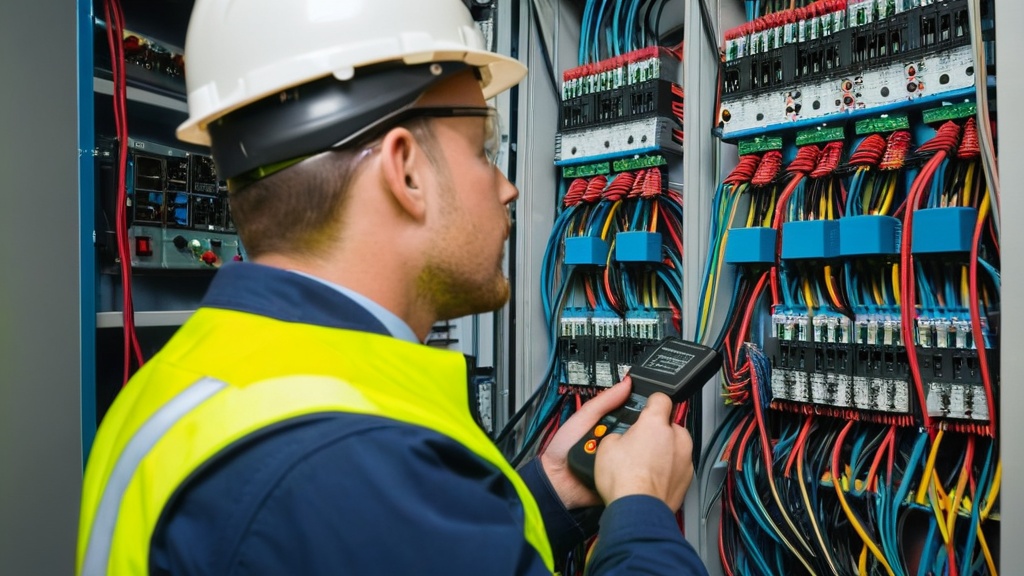
Implementing the recommended safety measures from Elion’s audit requires a structured approach that prioritizes both immediate actions and long-term strategies. The first step in this process is securing management buy-in for necessary investments in upgrading electrical systems. This may involve allocating budget resources for purchasing new equipment and hiring qualified electricians to carry out installations.
Once funding is secured, the next phase involves executing the recommended upgrades systematically. For instance, addressing grounding issues should be prioritized as it directly impacts employee safety. Engaging licensed professionals ensures that installations comply with local codes and standards while minimizing disruption to warehouse operations.
In parallel with physical upgrades, establishing best practices for ongoing maintenance is essential. This includes developing a comprehensive maintenance schedule that outlines regular inspections and testing intervals for all electrical equipment. Additionally, creating a logbook for documenting maintenance activities can help track compliance with safety protocols over time.
Training programs should also be developed as part of this implementation phase. These programs should cover not only the technical aspects of electrical safety but also practical scenarios that employees may encounter in their daily operations. By equipping staff with knowledge about safe practices and emergency procedures, organizations can foster a proactive safety culture that empowers employees to take ownership of their work environment.
Benefits of Regular Electrical Safety Audits for FMCG Distribution Warehouses
Regular electrical safety audits offer numerous benefits for FMCG distribution warehouses beyond mere compliance with regulations. One significant advantage is the enhancement of overall operational efficiency. By identifying potential issues before they lead to equipment failures or downtime, organizations can maintain smooth operations and avoid costly interruptions in their supply chain.
Moreover, regular audits contribute to improved employee morale and productivity. When workers feel safe in their environment, they are more likely to focus on their tasks without fear of accidents or injuries related to electrical hazards. This sense of security can lead to higher job satisfaction and lower turnover rates within the workforce.
Financially speaking, investing in regular electrical safety audits can yield substantial cost savings over time. By addressing issues proactively rather than reactively, organizations can avoid expensive repairs or replacements resulting from neglecting electrical systems. Additionally, maintaining compliance with safety regulations helps mitigate legal risks associated with workplace accidents.
Finally, regular audits enhance an organization’s reputation among clients and stakeholders. Demonstrating a commitment to safety not only builds trust but also positions the company as a responsible player in the industry. This can lead to increased business opportunities as clients increasingly prioritize partnerships with organizations that prioritize employee welfare and operational integrity.
Conclusion and Future Considerations for Electrical Safety in Industrial Environments
As industries continue to evolve in response to technological advancements and changing market demands, the importance of electrical safety will only grow more pronounced. Organizations must remain vigilant in their efforts to ensure that their electrical systems are safe and compliant with evolving regulations. Regular audits will play an integral role in this ongoing commitment to safety.
Looking ahead, it is essential for companies like Elion to stay abreast of emerging trends in electrical safety technology and practices. Innovations such as smart monitoring systems that provide real-time data on electrical performance could revolutionize how organizations manage their electrical infrastructure. Additionally, integrating sustainability practices into electrical safety measures will become increasingly important as businesses strive to reduce their environmental impact.
Ultimately, fostering a culture of safety within industrial environments requires continuous education and engagement at all levels of an organization. By prioritizing electrical safety through regular audits and proactive measures, companies can create safer workplaces that protect employees while enhancing operational efficiency and compliance with regulatory standards.
Elion recently conducted an electrical safety audit for an FMCG distribution warehouse in Kolkata, ensuring compliance with safety standards and enhancing operational efficiency. This audit is part of Elion’s commitment to providing comprehensive safety and efficiency assessments across various industries. For instance, you can read about another successful project where Elion completed an energy-saving assessment at a textile dyeing unit in Surat, Gujarat, which highlights the company’s expertise in optimizing energy use and promoting sustainability in industrial operations. For more details, check out the article [here](https://elion.co.in/team-elion-completed-an-energy-saving-assessment-at-a-textile-dyeing-unit-in-surat-gujarat/).
FAQs
What is the purpose of an electrical safety audit?
An electrical safety audit is conducted to assess the safety and compliance of electrical systems within a facility. It helps identify potential hazards, ensure adherence to safety standards, and recommend improvements to prevent electrical accidents.
Who conducted the electrical safety audit for the FMCG distribution warehouse in Kolkata?
The electrical safety audit for the FMCG distribution warehouse in Kolkata was conducted by Elion, a company specializing in electrical safety and compliance services.
What type of facility was audited by Elion in Kolkata?
Elion conducted the electrical safety audit at a Fast-Moving Consumer Goods (FMCG) distribution warehouse located in Kolkata.
Why is electrical safety important in FMCG distribution warehouses?
Electrical safety is crucial in FMCG distribution warehouses to prevent electrical fires, equipment damage, and ensure the safety of employees and goods. Warehouses often have extensive electrical installations that require regular inspection and maintenance.
What are some common aspects checked during an electrical safety audit?
During an electrical safety audit, aspects such as wiring integrity, grounding systems, circuit protection devices, compliance with electrical codes, condition of electrical panels, and emergency preparedness are typically evaluated.
What benefits does an FMCG warehouse gain from an electrical safety audit?
Benefits include enhanced safety for personnel, reduced risk of electrical hazards, compliance with legal and regulatory requirements, improved reliability of electrical systems, and potential cost savings by preventing accidents and downtime.
How often should electrical safety audits be conducted in warehouses?
The frequency of electrical safety audits depends on regulatory requirements and the facility’s operational conditions, but generally, audits are recommended annually or whenever significant changes are made to the electrical system.
Can the findings of an electrical safety audit impact warehouse operations?
Yes, audit findings can lead to necessary repairs or upgrades that may temporarily affect operations but ultimately improve safety and efficiency in the long term.
Is Elion specialized in electrical safety audits for warehouses only?
Elion provides electrical safety audits for various types of facilities, including warehouses, industrial plants, commercial buildings, and other establishments requiring electrical safety compliance.
What steps follow after an electrical safety audit is completed?
After the audit, a detailed report is provided outlining findings, risks, and recommendations. The facility management then plans and implements corrective actions to address identified issues and improve electrical safety.