
Thermography inspection is a non-contact diagnostic method that employs infrared cameras to detect and record heat patterns emitted by objects and living tissue. This technology operates on the principle that all objects emit infrared radiation proportional to their surface temperature. In medical applications, thermography captures thermal variations that may indicate underlying physiological changes, inflammation, or circulatory abnormalities.
The technique functions by measuring infrared radiation in the 8-14 micrometer wavelength range, converting this data into visual thermal maps that display temperature distributions across the examined area. Modern thermal imaging systems can detect temperature differences as small as 0.1°C, providing detailed information about heat patterns that correlate with various biological processes. In clinical settings, thermography offers several practical advantages.
The procedure requires no physical contact with patients, eliminating risks of cross-contamination and discomfort. The examination process is typically completed within minutes, producing immediate results that can be analyzed in real-time. Unlike ionizing radiation-based imaging methods, thermography poses no radiation exposure risks, making it suitable for repeated examinations and use with vulnerable populations.
Medical thermography applications include detection of vascular disorders, monitoring of wound healing, assessment of musculoskeletal conditions, and evaluation of breast health. The technology can identify areas of altered blood flow, metabolic activity, or inflammatory responses by revealing temperature patterns that deviate from established normal ranges. However, thermography serves as a complementary diagnostic tool rather than a standalone method, requiring correlation with clinical findings and other diagnostic modalities for accurate medical assessment.
For detailed information on thermal imaging technology, visit From Thermography Test Procedure to Audit Report – Elion Sets the Benchmark.
Key Takeaways
- Thermography inspection is a vital non-invasive technique for monitoring hospital critical care blocks.
- Elion specializes in advanced thermography inspection, ensuring accurate diagnostics and safety.
- The inspection process involves detailed thermal imaging to detect potential electrical and mechanical issues.
- Benefits include early fault detection, enhanced safety, and reduced downtime in critical hospital areas.
- Future use of thermography in hospitals promises improved maintenance and patient care outcomes.
Importance of Thermography Inspection in Hospital Critical Care Blocks
In hospital critical care blocks, where patients are often in vulnerable states requiring constant monitoring, the importance of thermography inspection cannot be overstated. These units are designed to provide intensive care for patients with life-threatening conditions, necessitating the use of advanced diagnostic tools to ensure timely interventions. Thermography plays a crucial role in this context by enabling healthcare providers to detect early signs of complications such as infections or ischemia, which can significantly impact patient prognosis.
Moreover, the ability to monitor temperature changes in real-time allows for proactive management of patient conditions. For instance, a sudden increase in temperature may indicate an underlying infection or inflammatory response, prompting immediate clinical evaluation and intervention. This capability is particularly critical in critical care settings where every minute counts.
By integrating thermography into routine assessments, healthcare teams can enhance their surveillance capabilities and improve overall patient safety.
Elion’s Expertise in Thermography Inspection
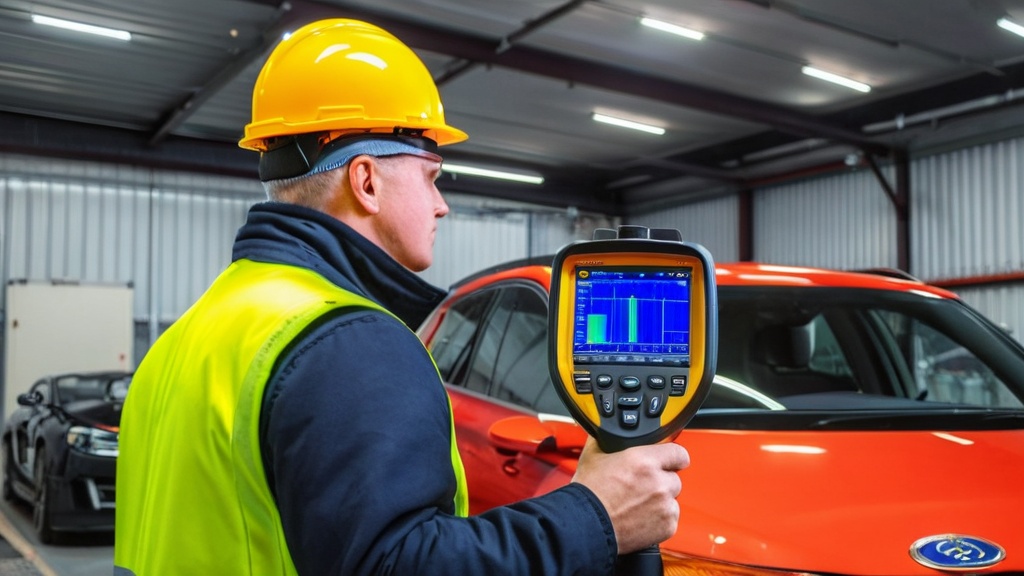
Elion has established itself as a leader in the field of thermography inspection, particularly within the healthcare sector. With a team of highly trained professionals and state-of-the-art thermal imaging technology, Elion offers comprehensive thermographic services tailored to the unique needs of hospital critical care blocks. Their expertise extends beyond mere image acquisition; Elion emphasizes the importance of accurate interpretation and analysis of thermal data to provide actionable insights for healthcare providers.
The company’s commitment to excellence is reflected in its rigorous training programs for technicians and healthcare staff alike. Elion ensures that its personnel are well-versed in the nuances of thermal imaging technology and its applications in clinical practice. This focus on education not only enhances the quality of thermographic assessments but also fosters collaboration between Elion’s experts and hospital staff, ultimately leading to improved patient outcomes.
By leveraging their extensive experience and knowledge, Elion positions itself as a trusted partner for hospitals seeking to implement or enhance their thermography inspection capabilities. Know more about How Elion Delivers Reliable Thermography Service in India
The Process of Conducting Thermography Inspection at a Hospital Critical Care Block
Conducting a thermography inspection in a hospital critical care block involves a systematic approach that prioritizes patient safety and data accuracy. The process typically begins with a thorough preparation phase, during which the patient is informed about the procedure and any necessary precautions are taken. This may include ensuring that the patient is in a stable condition and that external factors that could influence thermal readings—such as ambient temperature or recent physical activity—are controlled.
Once preparations are complete, the thermal imaging camera is calibrated and positioned appropriately to capture images of the area of interest. The technician then takes a series of thermal images while ensuring that the patient remains comfortable and undisturbed. These images are analyzed using specialized software that highlights temperature variations and identifies potential areas of concern.
The results are then compiled into a comprehensive report that includes both visual data and interpretative analysis, which is shared with the medical team for further evaluation and decision-making.
Benefits of Thermography Inspection for Hospital Critical Care Blocks
| Metric | Details |
|---|---|
| Inspection Type | Conducted Thermography Inspection |
| Location | Hospital Critical Care Block |
| Date of Inspection | April 2024 |
| Purpose | Identify electrical and mechanical anomalies |
| Equipment Used | Infrared Thermal Camera |
| Number of Areas Inspected | 15 |
| Findings | 3 hotspots detected, 2 electrical panels overheating |
| Recommendations | Immediate maintenance on electrical panels, routine monitoring |
| Inspection Duration | 4 hours |
| Inspector Team | Elion Certified Thermographers |
The benefits of thermography inspection in hospital critical care blocks are manifold, significantly enhancing patient care and operational efficiency. One of the primary advantages is its non-invasive nature, which allows for continuous monitoring without causing discomfort or distress to patients. This is particularly important in critical care settings where patients may already be experiencing significant physical and emotional strain.
Additionally, thermography provides immediate feedback on physiological changes, enabling rapid response to emerging complications. For example, if a patient exhibits abnormal thermal patterns indicative of infection or inflammation, healthcare providers can initiate diagnostic tests or treatments without delay. This proactive approach not only improves patient outcomes but also reduces the length of hospital stays and associated healthcare costs.
Furthermore, by integrating thermography into routine assessments, hospitals can enhance their overall quality of care and maintain high standards of patient safety.
Case Study: Elion’s Thermography Inspection at a Hospital Critical Care Block
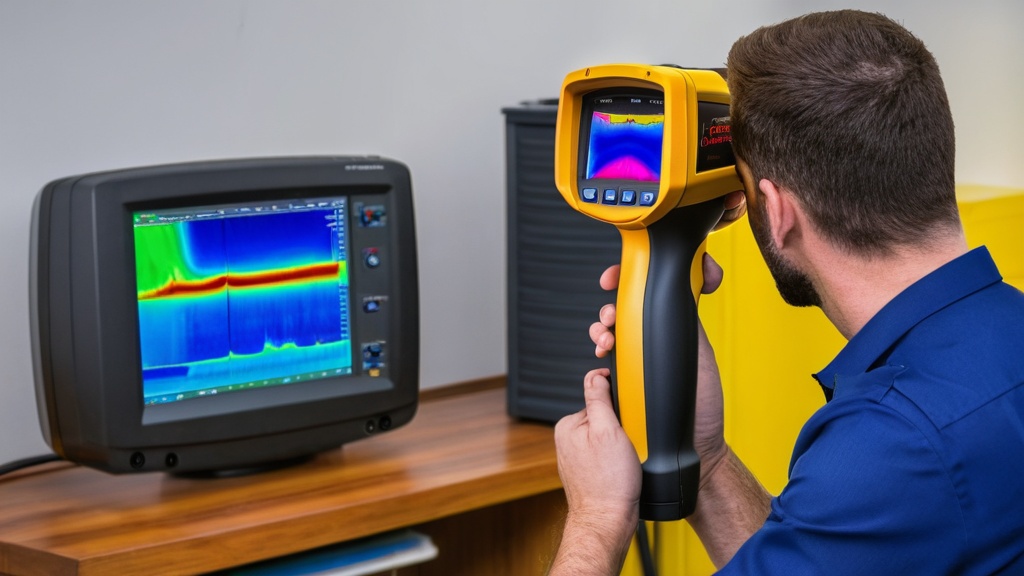
A notable case study highlighting Elion’s expertise in thermography inspection involved a large metropolitan hospital’s critical care block facing challenges with infection control among post-operative patients. The hospital sought to implement advanced monitoring techniques to reduce infection rates and improve patient outcomes. Elion was brought on board to conduct a comprehensive thermographic assessment of patients within the unit.
During the assessment, Elion’s technicians utilized high-resolution thermal imaging cameras to monitor patients’ temperatures continuously over several days. The data collected revealed several instances of localized hyperthermia that were not immediately apparent through traditional monitoring methods. These findings prompted further investigation into potential sources of infection, leading to timely interventions that significantly reduced the incidence of post-operative complications.
The success of this initiative not only demonstrated the effectiveness of thermography inspection in identifying early signs of infection but also reinforced the importance of integrating advanced diagnostic tools into critical care protocols. The hospital reported improved patient outcomes and a notable decrease in infection rates following the implementation of Elion’s thermographic services.
Future Implications of Thermography Inspection in Hospital Critical Care Blocks
As technology continues to evolve, the future implications of thermography inspection in hospital critical care blocks appear promising. Advances in thermal imaging technology are likely to enhance image resolution and analysis capabilities, allowing for even more precise detection of physiological changes. Additionally, the integration of artificial intelligence (AI) into thermographic analysis could streamline data interpretation processes, enabling faster decision-making by healthcare providers.
Moreover, as hospitals increasingly prioritize personalized medicine and tailored treatment plans, thermography inspection may play a pivotal role in monitoring individual patient responses to therapies. By providing real-time feedback on treatment efficacy through thermal imaging, healthcare teams can make informed adjustments to care plans based on objective data rather than relying solely on subjective assessments. Furthermore, as awareness grows regarding the benefits of non-invasive diagnostic techniques, it is likely that more hospitals will adopt thermography as a standard practice within their critical care protocols.
This shift could lead to broader applications beyond infection detection, including monitoring chronic conditions such as diabetes or cardiovascular diseases where temperature regulation plays a crucial role.
Conclusion and Recommendations for Thermography Inspection in Hospital Critical Care Blocks
In light of the numerous advantages associated with thermography inspection in hospital critical care blocks, it is essential for healthcare institutions to consider its integration into routine practices. Hospitals should invest in training programs for staff to ensure they are equipped with the knowledge and skills necessary to effectively utilize this technology. Collaborations with specialized companies like Elion can further enhance these efforts by providing expert guidance and support throughout the implementation process.
Additionally, ongoing research into the efficacy and applications of thermography should be encouraged to continually refine its use within critical care settings. By fostering an environment that embraces innovation and prioritizes patient safety, hospitals can leverage thermography inspection as a powerful tool for improving clinical outcomes and enhancing overall quality of care in critical environments.
Elion recently conducted a thermography inspection at a hospital’s critical care block, ensuring the safety and efficiency of their electrical systems. This inspection is part of Elion’s commitment to enhancing safety across various sectors. For more insights into Elion’s expertise in thermography, you can read about their recent audit for a manufacturer in Noida, which highlights the importance of electrical safety in industrial settings. Check out the article here: Enhancing Electrical Safety: Elion’s Thermography Audit for Noida Manufacturer.
FAQs
What is thermography inspection?
Thermography inspection is a non-invasive diagnostic technique that uses infrared cameras to detect heat patterns and temperature variations on surfaces. It helps identify issues such as electrical faults, insulation problems, and mechanical wear by visualizing heat emissions.
Why was thermography inspection conducted at the hospital critical care block?
Thermography inspection was conducted to ensure the safety and reliability of electrical and mechanical systems within the critical care block. It helps detect potential faults early, preventing equipment failure and ensuring uninterrupted patient care.
Who performed the thermography inspection at the hospital?
The thermography inspection was conducted by Elion, a company specializing in advanced inspection and maintenance services.
What are the benefits of thermography inspection in a hospital setting?
Thermography inspection helps identify overheating electrical components, faulty wiring, and mechanical issues without disrupting hospital operations. This proactive approach enhances safety, reduces downtime, and supports continuous patient care.
How often should thermography inspections be conducted in critical care areas?
The frequency of thermography inspections depends on the hospital’s maintenance protocols and equipment criticality. Typically, inspections are performed annually or semi-annually to ensure ongoing safety and performance.
Does thermography inspection require shutting down hospital equipment?
No, thermography inspection is a non-contact and non-destructive method that can be performed while equipment is operational, minimizing disruption to hospital services.
What types of issues can thermography detect in a hospital critical care block?
Thermography can detect electrical overloads, loose connections, insulation failures, overheating mechanical parts, and HVAC system inefficiencies, all of which could compromise safety and equipment functionality.
Is thermography inspection safe for hospital patients and staff?
Yes, thermography inspection is safe as it uses infrared radiation, which is non-ionizing and poses no health risks to patients or staff during the inspection process.