
Elion specializes in energy management solutions and provides comprehensive energy audit services across multiple industries. The company focuses on sustainability and operational efficiency through systematic identification of energy inefficiencies, consumption reduction strategies, and cost optimization measures. Elion’s professional team employs advanced assessment methodologies and technologies to analyze energy usage patterns, identify improvement opportunities, and develop implementable recommendations.
These services enable organizations to meet regulatory compliance requirements while reducing their environmental impact. Energy audits serve a critical function in the current business environment, where rising energy costs and environmental accountability have become primary corporate concerns. Manufacturing facilities, which typically maintain high energy consumption levels, particularly benefit from Elion’s audit services.
Through comprehensive energy assessments, companies gain data-driven insights into their energy usage, enabling informed decision-making that supports sustainable operational practices, generates long-term cost reductions, and enhances overall performance metrics.
Key Takeaways
- Elion provides specialized energy audit services tailored for manufacturing facilities like FMCG plants.
- Energy audits are crucial for identifying inefficiencies and reducing energy consumption in manufacturing operations.
- Elion’s audit approach includes detailed analysis and customized recommendations for energy savings.
- Implementation of recommended energy efficiency measures at the FMCG plant led to significant operational improvements.
- Ongoing energy audits are essential for sustaining energy efficiency and supporting future facility upgrades.
Overview of the FMCG Plant in Baddi
The FMCG (Fast-Moving Consumer Goods) plant located in Baddi is a prime example of a facility that operates under high energy demands due to its continuous production processes. This plant specializes in the manufacturing of a wide range of consumer products, including personal care items, food and beverages, and household goods. Given the competitive nature of the FMCG sector, maintaining efficiency while managing costs is crucial for the plant’s success.
The Baddi facility is equipped with modern machinery and technology, yet it faces challenges related to energy consumption that can impact its profitability and sustainability goals. In recent years, the Baddi plant has recognized the need to optimize its energy usage as part of a broader strategy to enhance operational efficiency. With increasing pressure from stakeholders to adopt greener practices and reduce carbon emissions, the management sought the expertise of Elion to conduct a comprehensive energy audit.
This initiative aimed not only to identify potential savings but also to align the plant’s operations with industry best practices in energy management. The collaboration between Elion and the FMCG plant represents a proactive step towards achieving both economic and environmental objectives. For businesses looking to reduce costs and improve efficiency, conducting an Energy Audit is an essential first step.
The Importance of Energy Audits in Manufacturing Facilities
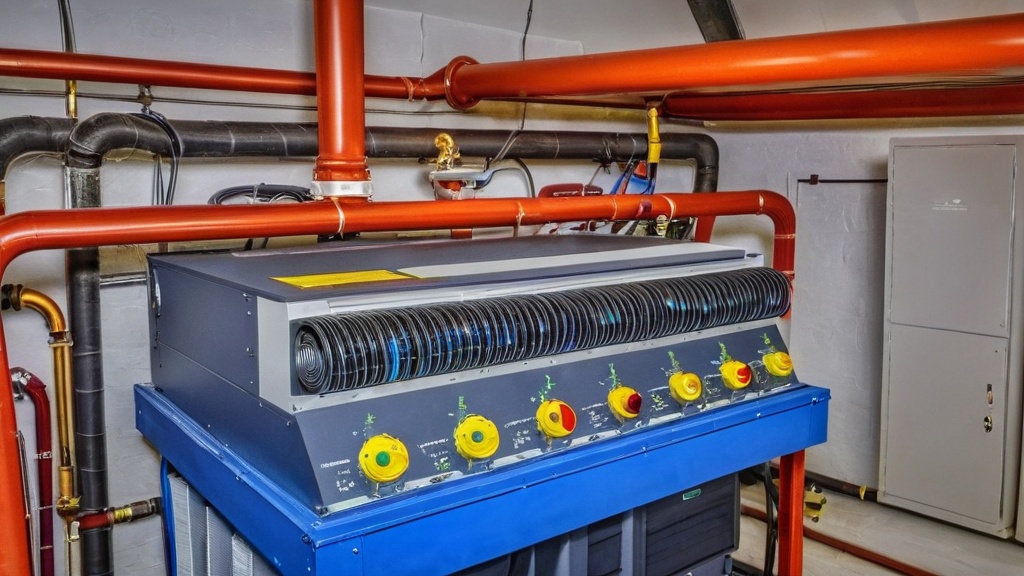
Energy audits play a pivotal role in manufacturing facilities by providing a systematic evaluation of energy consumption patterns and identifying opportunities for improvement. In an industry where margins can be tight, understanding how energy is utilized can lead to significant cost savings. An energy audit involves a detailed analysis of equipment efficiency, operational practices, and facility design, allowing organizations to pinpoint inefficiencies that may otherwise go unnoticed.
For instance, outdated machinery or suboptimal production schedules can lead to excessive energy use, which directly impacts the bottom line. Moreover, energy audits contribute to sustainability efforts by helping manufacturers reduce their carbon footprint. As global awareness of climate change grows, companies are increasingly held accountable for their environmental impact.
By implementing recommendations from energy audits, manufacturing facilities can not only comply with regulations but also enhance their corporate image as responsible stewards of the environment. This shift towards sustainability is not merely a trend; it has become a fundamental aspect of business strategy in many sectors, including FMCG.
Elion’s Approach to Conducting Energy Audits
Elion employs a structured approach to conducting energy audits that encompasses several key phases: data collection, analysis, reporting, and implementation planning. Initially, Elion’s team gathers data on the facility’s energy consumption through utility bills, equipment specifications, and operational schedules. This foundational step is critical as it provides insights into current usage patterns and highlights areas where inefficiencies may exist.
Following data collection, Elion conducts a thorough analysis using advanced software tools that simulate energy flows within the facility. This analysis allows for the identification of specific equipment or processes that are underperforming or consuming excessive amounts of energy. The team then compiles their findings into a comprehensive report that outlines both short-term and long-term recommendations for improving energy efficiency.
This report serves as a roadmap for the facility’s management team, guiding them on how to prioritize actions based on potential savings and return on investment.
Key Findings and Recommendations from the Energy Audit at the FMCG Plant
| Parameter | Value | Unit | Remarks |
|---|---|---|---|
| Plant Location | Baddi | – | FMCG Manufacturing Unit |
| Audit Date | March 2024 | – | Conducted by Elion Energy |
| Total Energy Consumption | 1,200,000 | kWh/year | Baseline consumption |
| Energy Savings Potential | 15% | % | Identified through audit |
| Recommended Measures | LED Lighting Upgrade, Motor Efficiency Improvement, HVAC Optimization | – | Key energy-saving initiatives |
| Estimated Annual Savings | 180,000 | kWh/year | Post-implementation |
| Carbon Emission Reduction | 144 | tons CO2/year | Based on energy savings |
| Audit Duration | 5 | Days | On-site assessment period |
The energy audit conducted at the FMCG plant in Baddi yielded several critical findings that highlighted areas for improvement. One significant observation was that certain production lines were operating at suboptimal efficiency due to outdated machinery that consumed more power than necessary. Additionally, the audit revealed that lighting systems throughout the facility were not utilizing energy-efficient technologies, leading to excessive electricity consumption during operational hours.
Based on these findings, Elion provided a series of targeted recommendations aimed at enhancing energy efficiency. One key suggestion was to upgrade older machinery with newer models that incorporate advanced technologies designed for lower energy consumption. Furthermore, transitioning to LED lighting throughout the facility was recommended as a cost-effective measure that could significantly reduce electricity usage while improving overall lighting quality.
These recommendations not only promised immediate cost savings but also aligned with broader sustainability goals by reducing the plant’s overall carbon emissions.
Implementation of Energy Efficiency Measures at the FMCG Plant

Following the completion of the energy audit and the presentation of recommendations, the FMCG plant management initiated the implementation of various energy efficiency measures proposed by Elion. The first step involved prioritizing upgrades based on potential savings and budget constraints. The management decided to focus on replacing outdated machinery in phases while simultaneously upgrading lighting systems across the facility.
The transition to LED lighting was executed swiftly, with new fixtures installed in key areas such as production floors, storage rooms, and administrative offices. This upgrade not only reduced energy consumption but also enhanced visibility and safety within the plant. Concurrently, plans were set in motion to replace older machinery with more efficient models that would reduce operational costs over time.
The management team also engaged employees in this transition by providing training on new equipment and encouraging them to adopt best practices for energy conservation.
Impact of Energy Efficiency Measures on the FMCG Plant’s Operations
The implementation of energy efficiency measures at the FMCG plant in Baddi has had a profound impact on its operations. One of the most immediate effects was a noticeable reduction in electricity costs, which translated into significant savings for the facility. The transition to LED lighting alone resulted in a reduction of approximately 30% in lighting-related electricity expenses.
This financial relief allowed management to reallocate resources towards other critical areas of operation. Beyond cost savings, these measures have fostered a culture of sustainability within the organization. Employees have become more aware of their energy consumption habits and are actively participating in initiatives aimed at further reducing waste.
The upgraded machinery has also improved production efficiency, leading to higher output levels without a corresponding increase in energy use. Overall, these changes have positioned the FMCG plant as a leader in sustainable manufacturing practices within its sector.
Conclusion and Future Considerations for Energy Audits at Manufacturing Facilities
As manufacturing facilities continue to face challenges related to rising energy costs and environmental regulations, the importance of regular energy audits cannot be overstated. The experience at the FMCG plant in Baddi serves as a compelling case study demonstrating how targeted audits can lead to substantial improvements in both operational efficiency and sustainability outcomes. Moving forward, it is essential for manufacturers to view energy audits not merely as compliance exercises but as strategic tools that can drive innovation and competitive advantage.
Future considerations for energy audits should include integrating advanced technologies such as IoT sensors and data analytics into the auditing process. These innovations can provide real-time insights into energy usage patterns and facilitate ongoing monitoring of efficiency measures post-implementation. Additionally, fostering collaboration between different departments within manufacturing facilities can enhance the effectiveness of energy management strategies.
By embracing a holistic approach to energy audits and efficiency measures, manufacturers can ensure they remain resilient and responsive in an ever-evolving market landscape while contributing positively to global sustainability efforts.
Elion recently conducted a comprehensive energy audit at an FMCG plant in Baddi, focusing on optimizing energy consumption and enhancing operational efficiency. This initiative aligns with Elion’s commitment to sustainability and energy management in various industries. For further insights into Elion’s efforts in improving energy efficiency, you can read about their successful air audit for a factory in Chennai by following this link.
For any queries about Energy Audit, contact Elion Technologies and Consulting Pvt. Ltd.— your trusted safety and compliance partner.
FAQs
What is the purpose of an energy audit conducted by Elion at the FMCG plant in Baddi?
The purpose of the energy audit was to assess the plant’s energy consumption patterns, identify areas of energy wastage, and recommend measures to improve energy efficiency and reduce operational costs.
Who conducted the energy audit at the FMCG plant in Baddi?
The energy audit was conducted by Elion, a company specializing in energy management and efficiency solutions.
What type of facility was audited by Elion in Baddi?
The facility audited was a Fast-Moving Consumer Goods (FMCG) manufacturing plant located in Baddi.
What are the expected benefits of conducting an energy audit at the FMCG plant?
The expected benefits include reduced energy consumption, lower utility bills, improved operational efficiency, enhanced sustainability, and compliance with energy regulations.
What methodologies are typically used in an energy audit like the one conducted by Elion?
Energy audits generally involve data collection on energy usage, analysis of equipment and processes, identification of inefficiencies, and recommendations for energy-saving measures.
How can the FMCG plant implement the recommendations from the energy audit?
The plant can implement recommendations by upgrading equipment, optimizing processes, adopting energy-efficient technologies, and training staff on energy conservation practices.
Is the energy audit a one-time process or ongoing?
While the audit itself is a one-time assessment, energy management is an ongoing process that requires regular monitoring and periodic audits to maintain efficiency.
Does Elion provide support after the energy audit?
Typically, companies like Elion offer post-audit support, including implementation assistance, monitoring, and follow-up audits to ensure sustained energy savings.
Why is energy auditing important for FMCG plants?
Energy auditing helps FMCG plants reduce operational costs, minimize environmental impact, improve competitiveness, and comply with energy regulations and standards.
Where is Baddi located?
Baddi is an industrial town located in the Solan district of Himachal Pradesh, India, known for its manufacturing and pharmaceutical industries.