
Elion is a leading provider of advanced thermography inspection services, specializing in the detection of thermal anomalies in electrical and mechanical systems. Utilizing state-of-the-art infrared imaging technology, Elion offers comprehensive assessments that help identify potential issues before they escalate into costly failures. The company’s expertise extends across various sectors, including power generation, manufacturing, and infrastructure, making it a trusted partner for organizations seeking to enhance their operational reliability and safety.
By employing highly trained technicians equipped with cutting-edge thermal imaging cameras, Elion ensures that clients receive accurate and actionable insights into their equipment’s condition. Thermography inspection is a non-invasive diagnostic tool that allows for real-time monitoring of temperature variations in electrical components, mechanical systems, and building envelopes. This technique is particularly valuable in identifying hotspots that may indicate underlying problems such as overloads, insulation failures, or mechanical wear.
Elion’s commitment to excellence is reflected in its rigorous training programs for technicians and its adherence to industry standards, ensuring that every inspection is conducted with precision and professionalism. As industries increasingly recognize the importance of predictive maintenance, Elion stands at the forefront, providing essential services that contribute to operational efficiency and safety.
Key Takeaways
- Elion offers specialized thermography inspection services crucial for monitoring transformer yard conditions.
- Thermography inspections help detect potential faults early, enhancing safety and preventing costly failures.
- The Delhi transformer yard was thoroughly assessed using Elion’s advanced thermography techniques.
- Inspection findings revealed key areas needing maintenance, guiding targeted repair actions.
- Regular thermography inspections by Elion improve ongoing maintenance efficiency and ensure long-term operational safety.
Importance of Thermography Inspection for Transformer Yards
Transformer yards are critical components of electrical distribution networks, serving as the nexus where high-voltage electricity is transformed into lower voltages suitable for consumer use. Given the complexity and scale of these facilities, thermography inspection plays a vital role in maintaining their operational integrity. The ability to detect thermal anomalies in transformers and associated equipment can prevent catastrophic failures that may lead to prolonged outages or even safety hazards.
By identifying issues such as overheating connections or failing insulation, thermography inspections enable timely interventions that can save organizations significant costs associated with downtime and repairs. Moreover, the importance of thermography inspection extends beyond mere maintenance; it is also a crucial aspect of safety management within transformer yards. Electrical equipment operates under high voltage and current conditions, which can pose serious risks if not properly monitored.
Regular thermographic assessments help ensure that all components are functioning within their designated temperature ranges, thereby reducing the likelihood of electrical fires or equipment explosions. In an era where regulatory compliance and safety standards are increasingly stringent, organizations that prioritize thermography inspections demonstrate a commitment to safeguarding their assets and personnel. For detailed information on thermal imaging technology, visit Thermography. Read more about From Thermography Test Procedure to Audit Report – Elion Sets the Benchmark
Overview of the Transformer Yard in Delhi
The transformer yard in Delhi serves as a pivotal hub for the region’s electrical distribution network, facilitating the transformation of high-voltage electricity generated from various sources into lower voltages for residential and commercial use. This facility is equipped with multiple transformers, switchgear, and other critical infrastructure designed to manage the flow of electricity efficiently. Given Delhi’s rapid urbanization and increasing energy demands, the transformer yard plays an essential role in ensuring a reliable power supply to millions of residents and businesses.
The complexity of the transformer yard’s operations necessitates a robust maintenance strategy to mitigate risks associated with equipment failure. With numerous transformers operating simultaneously, each unit must be monitored closely to ensure optimal performance. The yard’s strategic location also means that any disruption in service could have widespread implications for the surrounding community.
Therefore, implementing regular thermography inspections is not just beneficial but essential for maintaining the reliability and safety of this critical infrastructure.
Elion’s Process for Conducting Thermography Inspection
Elion employs a systematic approach to conducting thermography inspections that ensures thoroughness and accuracy. The process begins with a comprehensive pre-inspection assessment where technicians review the layout of the transformer yard and identify key components that require monitoring. This initial evaluation allows for the development of a tailored inspection plan that addresses specific concerns related to the facility’s operations.
Technicians are trained to recognize critical areas where thermal anomalies are likely to occur, such as connections, busbars, and transformer housings. Once the inspection plan is established, Elion’s technicians utilize advanced thermal imaging cameras to capture infrared images of the equipment during operation. These cameras detect temperature variations that are invisible to the naked eye, allowing for the identification of hotspots indicative of potential failures.
The data collected during this phase is analyzed using specialized software that generates detailed reports highlighting areas of concern. Following the analysis, Elion provides clients with actionable insights and recommendations based on the findings, ensuring that any identified issues can be addressed promptly.
Findings and Results of the Thermography Inspection
| Parameter | Details |
|---|---|
| Inspection Type | Conducted Thermography Inspection |
| Location | Transformer Yard, Delhi |
| Date of Inspection | April 2024 |
| Number of Transformers Inspected | 5 |
| Temperature Range Recorded | 25°C to 85°C |
| Average Temperature | 58°C |
| Hotspots Detected | 2 |
| Recommended Actions | Maintenance on identified hotspots, further detailed inspection |
| Inspection Duration | 4 hours |
| Inspection Team | Elion Thermography Experts |
The thermography inspection conducted by Elion at the transformer yard in Delhi yielded several significant findings that underscored the importance of regular monitoring. Among the most notable results were instances of elevated temperatures detected at various connection points within the transformer units. These hotspots indicated potential issues such as loose connections or inadequate contact pressure, which could lead to further complications if left unaddressed.
Additionally, some transformers exhibited signs of insulation degradation, which could compromise their operational efficiency and longevity. The detailed report generated by Elion included thermal images alongside temperature readings, providing a clear visual representation of the identified issues. This documentation not only served as a valuable reference for maintenance teams but also facilitated discussions with stakeholders regarding necessary repairs and upgrades.
By presenting concrete evidence of thermal anomalies, Elion empowered the transformer yard management to prioritize interventions based on severity and potential impact on operations.
Recommendations and Next Steps for the Transformer Yard
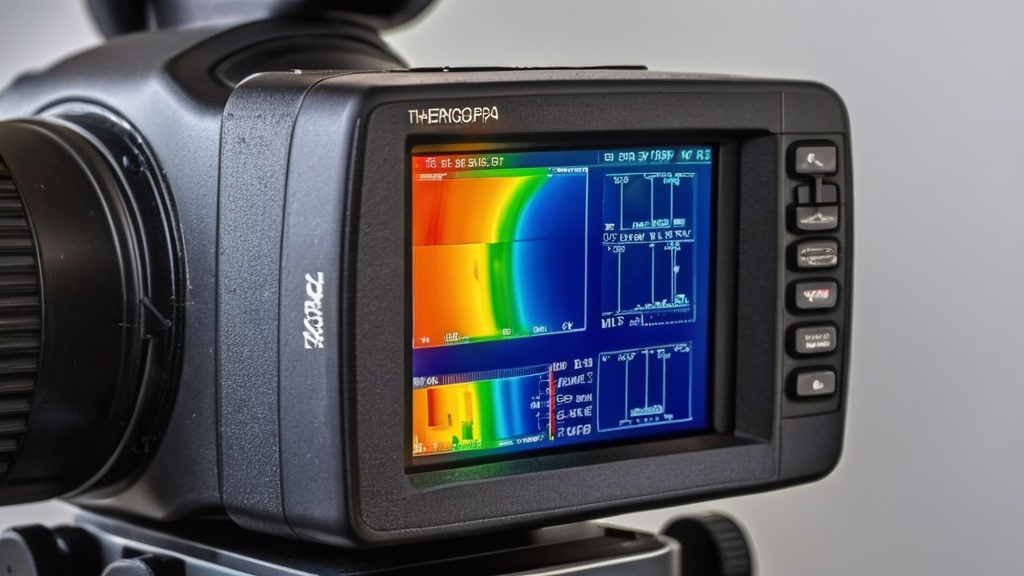
Based on the findings from the thermography inspection, Elion provided a series of targeted recommendations aimed at addressing the identified issues within the transformer yard. One key recommendation was to conduct immediate maintenance on connection points exhibiting elevated temperatures. This could involve tightening connections or replacing components to ensure optimal contact and reduce resistance-related heating.
Additionally, Elion advised implementing routine thermal monitoring as part of a broader predictive maintenance strategy to catch potential issues before they escalate. Another important recommendation was to assess the overall condition of insulation materials within the transformers. Given the signs of degradation observed during the inspection, it was suggested that a more comprehensive evaluation be conducted to determine whether insulation replacement or upgrades were necessary.
By taking proactive measures based on Elion’s insights, the transformer yard can enhance its reliability and extend the lifespan of its equipment.
Benefits of Regular Thermography Inspections for Maintenance and Safety
Regular thermography inspections offer numerous benefits that extend beyond immediate problem detection; they play a crucial role in enhancing overall maintenance strategies and ensuring safety within transformer yards. One significant advantage is the ability to implement predictive maintenance practices that reduce unplanned downtime. By identifying potential issues before they lead to equipment failure, organizations can schedule repairs during planned outages rather than facing emergency situations that disrupt operations.
Furthermore, regular thermographic assessments contribute to improved safety protocols within transformer yards. By continuously monitoring temperature variations in critical equipment, organizations can mitigate risks associated with overheating or electrical fires. This proactive approach not only protects physical assets but also safeguards personnel working in potentially hazardous environments.
In an industry where safety compliance is paramount, regular thermography inspections serve as an essential component of a comprehensive risk management strategy.
Conclusion and Future Collaboration with Elion for Transformer Yard Maintenance
As organizations increasingly recognize the value of predictive maintenance strategies, collaboration with experts like Elion becomes essential for optimizing transformer yard operations. The insights gained from thermography inspections provide a foundation for informed decision-making regarding maintenance priorities and resource allocation. By partnering with Elion for ongoing thermographic assessments, transformer yard management can ensure that their facilities remain safe, efficient, and capable of meeting growing energy demands.
Looking ahead, future collaborations between Elion and the transformer yard in Delhi could involve expanding inspection services to include additional technologies such as ultrasonic testing or vibration analysis. These complementary diagnostic tools would further enhance the understanding of equipment health and performance, allowing for even more comprehensive maintenance strategies. As technology continues to evolve, so too will the methodologies employed by Elion, ensuring that clients receive cutting-edge solutions tailored to their specific needs in an ever-changing energy landscape.
Elion recently conducted a thermography inspection for a transformer yard in Delhi, ensuring the optimal performance and safety of electrical systems. This inspection is part of a broader commitment to maintaining high standards in electrical safety and efficiency. For further insights into Elion’s dedication to safety, you can read about their recent electrical safety audit for a manufacturer in Visakhapatnam in this related article: How Elion Delivers Reliable Thermography Service in India.
Need expert assistance with Thermography? Contact Elion Technologies and Consulting Pvt. Ltd. now.
FAQs
What is thermography inspection?
Thermography inspection is a non-invasive diagnostic technique that uses infrared cameras to detect heat patterns and temperature variations in equipment. It helps identify potential issues such as overheating, loose connections, or insulation failures.
Why is thermography inspection important for transformer yards?
Thermography inspection is crucial for transformer yards because it helps detect early signs of electrical faults or mechanical problems. This preventive measure can reduce the risk of equipment failure, improve safety, and minimize downtime.
Who conducted the thermography inspection in the Delhi transformer yard?
The thermography inspection for the transformer yard in Delhi was conducted by Elion, a company specializing in electrical and thermal inspection services.
What equipment is typically inspected during a thermography inspection of a transformer yard?
During a thermography inspection, key equipment such as transformers, circuit breakers, busbars, connectors, and switchgear are examined to identify abnormal heat signatures that may indicate faults.
How often should thermography inspections be performed on transformer yards?
The frequency of thermography inspections depends on the operational conditions and maintenance schedules but is generally recommended at least once or twice a year to ensure early detection of potential issues.
What are the benefits of using thermography inspection for transformer maintenance?
Benefits include early fault detection, reduced risk of unexpected failures, improved safety for personnel, cost savings on repairs, and enhanced reliability of the electrical system.
Can thermography inspection detect all types of faults in a transformer yard?
While thermography is effective at identifying thermal anomalies related to electrical and mechanical issues, it may not detect all types of faults. It is often used in conjunction with other diagnostic methods for comprehensive assessment.
Is thermography inspection safe for electrical equipment?
Yes, thermography inspection is a safe, non-contact method that does not interfere with the operation of electrical equipment during the inspection process.
What qualifications do technicians conducting thermography inspections typically have?
Technicians usually have specialized training and certification in infrared thermography, electrical systems, and safety protocols to accurately perform inspections and interpret thermal images.
How are the results of a thermography inspection reported?
Results are typically compiled into a detailed report that includes thermal images, analysis of detected anomalies, recommendations for corrective actions, and prioritization of maintenance tasks.