
Elion’s Thermography Inspection Services represent a cutting-edge approach to maintaining the integrity and efficiency of critical infrastructure, particularly in data centres. Utilizing advanced thermal imaging technology, Elion provides comprehensive assessments that identify potential issues before they escalate into significant problems. This proactive methodology not only enhances operational reliability but also extends the lifespan of equipment, ultimately leading to cost savings for businesses.
The service is particularly vital in environments where uptime is paramount, such as data centres, where even minor disruptions can lead to substantial financial losses and reputational damage. The process involves the use of infrared cameras to detect heat patterns and anomalies in electrical and mechanical systems. By capturing thermal images, Elion’s trained technicians can pinpoint areas of concern, such as overheating components or inefficient energy use.
This non-invasive technique allows for inspections to be conducted without interrupting operations, making it an ideal solution for facilities that require continuous uptime. As data centres continue to grow in complexity and scale, the need for specialized inspection services like those offered by Elion becomes increasingly critical. For detailed information on thermal imaging technology, visit From Thermography Test Procedure to Audit Report – Elion Sets the Benchmark.
Key Takeaways
- Elion provides specialized thermography inspection services crucial for maintaining data centre health.
- Regular inspections are vital to prevent failures and ensure optimal performance in data centres like the one in Bengaluru.
- Elion’s thermography approach identifies potential issues through detailed thermal imaging analysis.
- Inspection findings lead to actionable recommendations that enhance data centre reliability and efficiency.
- Ongoing thermography inspections support proactive maintenance and long-term data centre management strategies.
Importance of Data Centre Maintenance and Inspections
Data centres serve as the backbone of modern digital infrastructure, housing vast amounts of data and supporting countless applications that businesses rely on daily. Given their critical role, regular maintenance and inspections are essential to ensure that these facilities operate at peak efficiency. Neglecting maintenance can lead to equipment failures, which not only disrupt services but can also result in significant financial repercussions.
For instance, a single hour of downtime can cost a company thousands of dollars, depending on the scale of operations and the nature of the services provided. Moreover, the importance of inspections cannot be overstated. They serve as a preventive measure that helps identify potential issues before they manifest into catastrophic failures.
Regular thermographic inspections can reveal hidden problems such as loose connections, overloaded circuits, or failing components that may not be visible through standard visual inspections. By addressing these issues proactively, data centre operators can mitigate risks, enhance safety protocols, and ensure compliance with industry standards and regulations. Visit How Elion Delivers Reliable Thermography Service in India
The Specifics of the Data Centre in Bengaluru
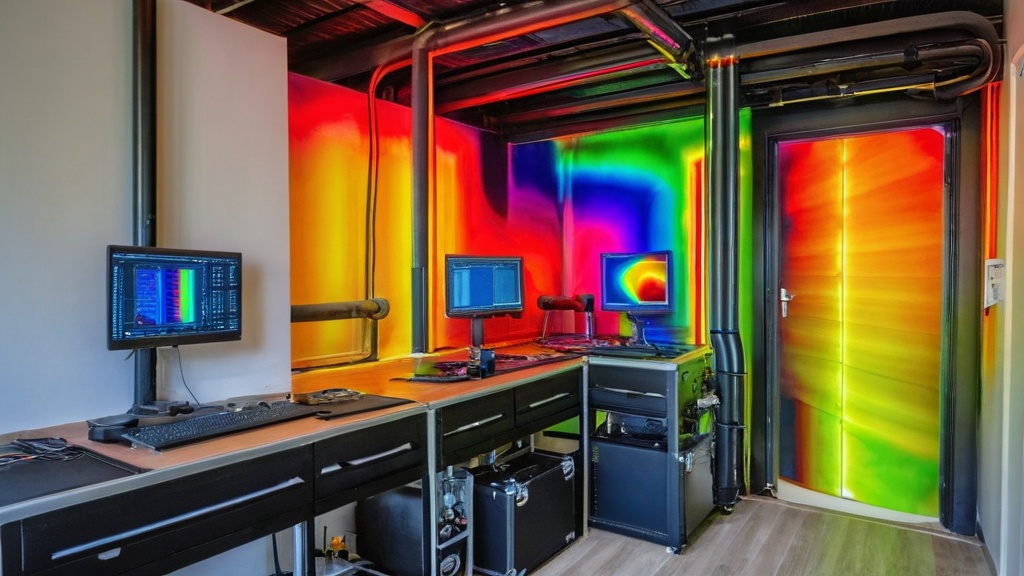
Bengaluru, often referred to as the “Silicon Valley of India,” is home to a burgeoning tech ecosystem that includes numerous data centres catering to both local and international clients. The city’s strategic location and robust infrastructure make it an attractive hub for data storage and processing. However, with this growth comes the challenge of maintaining high operational standards in an environment characterized by rapid technological advancements and increasing demand for data services.
The data centre in Bengaluru under consideration is equipped with state-of-the-art technology designed to handle large volumes of data traffic while ensuring energy efficiency. However, the complexity of its systems necessitates regular inspections to prevent overheating and equipment failure. The facility operates under stringent regulatory requirements, which mandate routine maintenance checks to ensure compliance with safety standards.
Given the high stakes involved in data management, the need for thorough thermographic inspections becomes even more pronounced in this context.
Elion’s Approach to Thermography Inspection
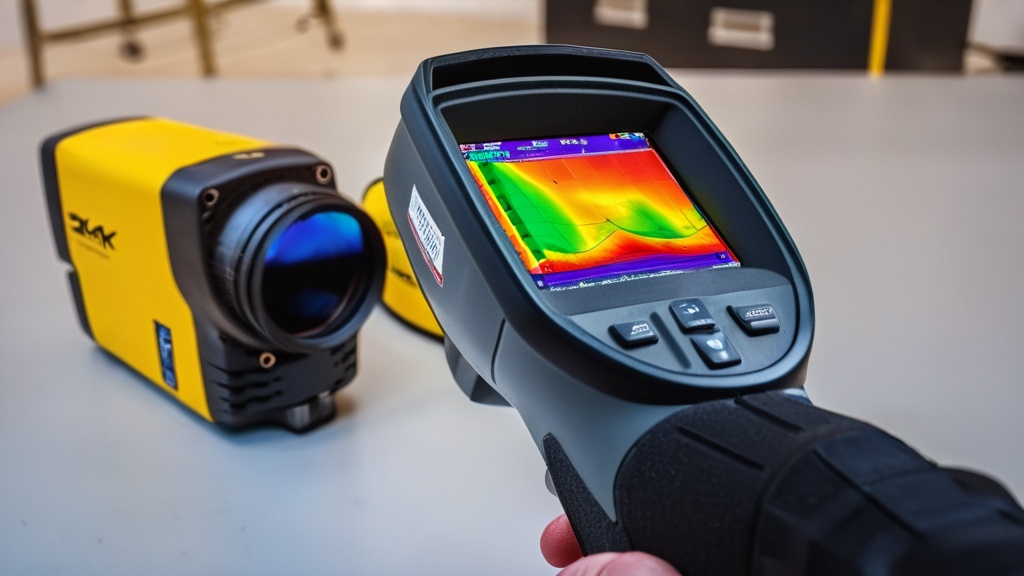
Elion employs a systematic approach to thermography inspection that begins with a comprehensive assessment of the data centre’s infrastructure. Technicians conduct a detailed walkthrough of the facility, identifying critical components such as electrical panels, transformers, and cooling systems that require close monitoring. The use of high-resolution infrared cameras allows for precise thermal imaging, enabling technicians to detect temperature variations that may indicate underlying issues.
Once thermal images are captured, Elion’s team analyzes the data using specialized software that highlights areas of concern. This analysis is not merely about identifying hot spots; it also involves understanding the context of each finding within the broader operational framework of the data centre. For example, a temperature anomaly in a circuit breaker may suggest an overload condition or a failing component that could lead to a power outage if left unaddressed.
Elion’s technicians provide detailed reports that outline their findings along with actionable recommendations tailored to the specific needs of the facility.
Findings and Recommendations from the Inspection
| Parameter | Details |
|---|---|
| Inspection Type | Conducted Thermography Inspection |
| Location | Bengaluru, India |
| Facility | Data Centre |
| Date of Inspection | April 2024 |
| Equipment Inspected | Electrical Panels, Server Racks, HVAC Systems |
| Key Findings | Hotspots detected in UPS panel, Overheating in cooling ducts |
| Temperature Range Recorded | 22°C to 85°C |
| Recommendations | Immediate maintenance of UPS panel, Improve airflow in cooling ducts |
| Inspection Duration | 6 hours |
| Inspection Team | Elion Thermography Experts |
During a recent thermographic inspection at the Bengaluru data centre, Elion’s team identified several critical issues that warranted immediate attention. One notable finding was an elevated temperature reading in one of the main electrical panels, which indicated potential overheating due to excessive load or poor connections. This situation posed a risk not only to the panel itself but also to the entire electrical system supporting the data centre’s operations.
In addition to electrical concerns, the inspection revealed inefficiencies in the cooling systems. Certain areas within the facility were experiencing uneven temperature distribution, suggesting that some servers were not receiving adequate cooling while others were over-cooled. This imbalance can lead to increased energy consumption and reduced equipment lifespan.
Elion recommended implementing additional airflow management strategies and optimizing cooling system settings to ensure uniform temperature distribution throughout the data centre.
Benefits of Thermography Inspection for Data Centres
The advantages of thermography inspection extend far beyond immediate problem identification; they encompass long-term operational benefits as well. One significant benefit is enhanced energy efficiency. By identifying areas where energy is being wasted—such as overheating components or inefficient cooling systems—data centre operators can implement corrective measures that lead to reduced energy consumption and lower utility costs.
Furthermore, thermography inspections contribute to improved safety within the facility. By detecting potential fire hazards associated with overheating electrical components or equipment failures, operators can take preventive action before incidents occur. This proactive stance not only protects valuable assets but also safeguards personnel working within the data centre environment.
Another key benefit is compliance with industry standards and regulations. Many regulatory bodies require regular inspections as part of their guidelines for data centre operations. By adhering to these standards through routine thermographic assessments, operators can avoid penalties and ensure that their facilities meet necessary safety and operational benchmarks.
Future Maintenance and Inspection Plans for the Data Centre
Looking ahead, Elion has developed a comprehensive maintenance and inspection plan tailored specifically for the Bengaluru data centre. This plan includes scheduled thermographic inspections at regular intervals—typically every six months—to ensure ongoing monitoring of critical systems. Additionally, Elion will work closely with the facility’s management team to establish a responsive maintenance protocol that addresses any issues identified during inspections promptly.
Incorporating advanced analytics into future inspections is also part of Elion’s strategy. By leveraging data collected over time, technicians can identify trends and patterns that may indicate emerging issues before they become critical problems. This predictive maintenance approach allows for more efficient resource allocation and minimizes downtime by addressing potential failures proactively.
Moreover, training sessions for on-site personnel will be implemented to enhance their understanding of thermography technology and its applications in daily operations. Empowering staff with knowledge about thermal imaging will foster a culture of vigilance regarding equipment health and operational efficiency.
Conclusion and Implications for Data Centre Management
The implications of Elion’s thermography inspection services for data centre management are profound. As facilities become increasingly complex and integral to business operations, adopting advanced inspection methodologies is no longer optional but essential. The insights gained from thermographic assessments enable operators to make informed decisions regarding maintenance strategies, resource allocation, and risk management.
In an era where data security and operational continuity are paramount, investing in regular thermography inspections translates into tangible benefits—enhanced reliability, improved safety protocols, and significant cost savings over time. As data centres continue to evolve in response to technological advancements and market demands, embracing innovative solutions like those offered by Elion will be crucial for maintaining competitive advantage in this dynamic landscape.
Elion recently conducted a thermography inspection for a data centre in Bengaluru, showcasing their commitment to ensuring optimal operational efficiency and safety in critical environments. For further insights into how Elion enhances workplace safety, you can read about the importance of a third-party arc flash audit in preventing workplace accidents in our related article Preventive vs Reactive Maintenance – Role of Thermography & Arc Flash Safety Audits.
Need expert assistance with Thermography? Contact Elion Technologies and Consulting Pvt. Ltd. now.
FAQs
What is thermography inspection?
Thermography inspection is a non-invasive diagnostic technique that uses infrared cameras to detect heat patterns and temperature variations in equipment and structures. It helps identify potential issues such as overheating, electrical faults, or insulation problems.
Why is thermography inspection important for data centres?
Data centres house critical IT infrastructure that generates significant heat. Thermography inspection helps detect hotspots, cooling inefficiencies, and electrical anomalies early, preventing equipment failure, downtime, and costly repairs.
Who conducted the thermography inspection for the data centre in Bengaluru?
The thermography inspection for the data centre in Bengaluru was conducted by Elion, a company specializing in advanced inspection and maintenance services.
What equipment is used during a thermography inspection?
Thermography inspections typically use infrared cameras and thermal imaging devices to capture temperature data and visualize heat distribution across electrical panels, servers, and other components.
How often should thermography inspections be performed in data centres?
The frequency of thermography inspections depends on the data centre’s size, equipment, and operational criticality. Generally, inspections are recommended annually or semi-annually to ensure early detection of potential issues.
What are the benefits of conducting thermography inspections in data centres?
Benefits include early identification of electrical faults, improved energy efficiency, reduced risk of equipment failure, enhanced safety, and optimized maintenance planning.
Can thermography inspection detect all types of faults in a data centre?
While thermography is effective at detecting thermal anomalies related to electrical and mechanical issues, it may not identify all types of faults. It is often used alongside other diagnostic methods for comprehensive assessment.
Is thermography inspection disruptive to data centre operations?
No, thermography inspection is a non-contact and non-destructive process that can be performed without shutting down equipment or interrupting data centre operations.
What qualifications do technicians conducting thermography inspections have?
Technicians are typically certified thermographers trained in infrared technology, electrical systems, and safety protocols to accurately interpret thermal images and identify potential problems.
How can data centre operators use the results of a thermography inspection?
Operators can use inspection reports to prioritize maintenance, address identified issues proactively, improve cooling strategies, and enhance overall reliability and safety of the data centre infrastructure.