
In the industrial landscape, particularly within sectors such as cement manufacturing, the efficiency and reliability of boiler systems are paramount. Elion, a leader in energy solutions, has developed a comprehensive boiler audit process designed to assess and enhance the performance of these critical systems. This audit not only identifies inefficiencies but also provides actionable insights that can lead to significant operational improvements.
By employing advanced diagnostic tools and methodologies, Elion’s audit process delves deep into the operational parameters of boiler systems, ensuring that every aspect is scrutinized for optimal performance. The audit process is structured to encompass various facets of boiler operation, including fuel efficiency, emissions control, and maintenance practices. By leveraging a combination of data analysis, field measurements, and expert evaluations, Elion aims to provide a holistic view of boiler performance.
This approach is particularly vital in industries like cement manufacturing, where the demand for energy efficiency is coupled with stringent environmental regulations. The findings from Elion’s audits serve as a foundation for strategic improvements that can lead to enhanced productivity and reduced operational costs. For comprehensive insights and services, visit our Boiler Audit page.
Key Takeaways
- Elion conducts thorough boiler audits to improve cement plant operations.
- Boiler audits are crucial for ensuring safety and efficiency in cement plants.
- The Chhattisgarh cement plant benefited from Elion’s detailed reliability-focused audit.
- Key recommendations from the audit led to significant operational improvements.
- Ongoing maintenance plans aim to sustain and enhance boiler reliability and efficiency.
Importance of Boiler Audits for Cement Plants
Boiler audits are essential for cement plants due to the significant role that boilers play in the overall production process. Cement manufacturing is energy-intensive, and boilers are responsible for generating steam and heat required for various stages of production. An inefficient boiler can lead to increased fuel consumption, higher emissions, and ultimately, reduced profitability.
Regular audits help identify inefficiencies and potential failures before they escalate into costly downtime or safety hazards. Moreover, the regulatory landscape surrounding emissions and environmental impact is becoming increasingly stringent. Cement plants must comply with various environmental standards, which necessitates the need for efficient boiler operations.
A thorough audit can pinpoint areas where emissions exceed permissible limits and recommend modifications to bring operations back into compliance. This not only helps in avoiding penalties but also enhances the plant’s reputation as a responsible corporate entity committed to sustainability.
Overview of the Cement Plant in Chhattisgarh
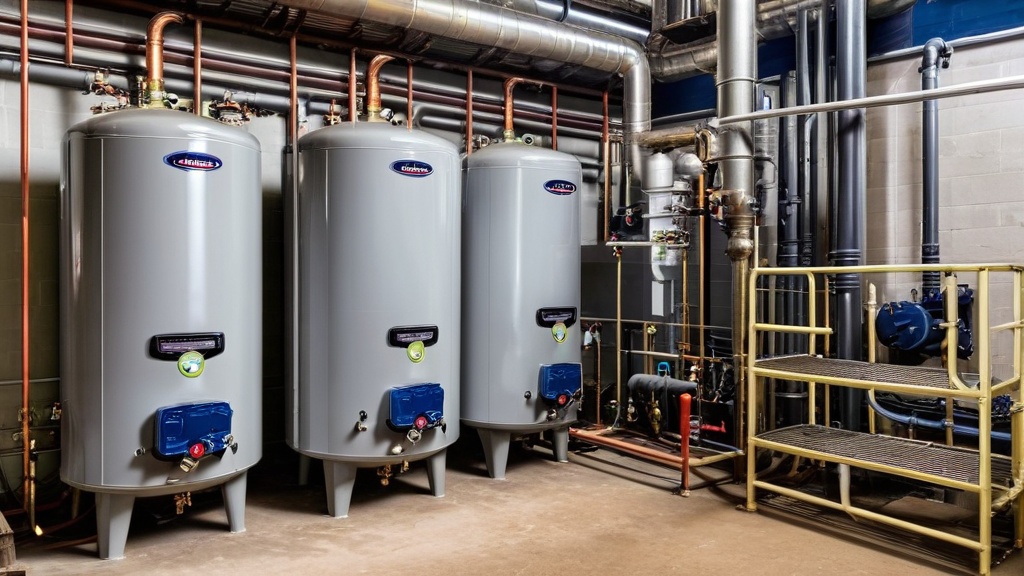
The cement plant located in Chhattisgarh is one of the largest in India, contributing significantly to the region’s economy and infrastructure development. With a production capacity that meets both domestic and international demands, this facility operates under high pressure to maintain its competitive edge. The plant utilizes advanced technology and processes to produce various types of cement, catering to diverse construction needs.
However, like many industrial facilities, the Chhattisgarh cement plant faces challenges related to energy consumption and operational efficiency. The reliance on traditional fuel sources has raised concerns about both cost and environmental impact. As such, the management recognized the need for a comprehensive assessment of their boiler systems to identify opportunities for improvement.
Engaging Elion for a detailed boiler audit was a strategic decision aimed at enhancing operational reliability while aligning with sustainability goals.
Elion’s Approach to Enhancing Reliability through the Audit
Elion’s approach to conducting a comprehensive boiler audit is methodical and data-driven. The process begins with an initial assessment where Elion’s team collaborates with plant personnel to understand existing operational practices and challenges. This phase includes gathering historical data on boiler performance, maintenance records, and fuel usage patterns.
By establishing a baseline, Elion can tailor its audit process to address specific issues faced by the Chhattisgarh plant. Once the groundwork is laid, Elion employs advanced diagnostic tools such as thermal imaging cameras, combustion analyzers, and flow meters to conduct real-time assessments of boiler performance. These tools allow for precise measurements of temperature differentials, pressure levels, and emissions outputs.
The data collected during this phase is analyzed using sophisticated software that identifies trends and anomalies in boiler operation. This rigorous approach ensures that no stone is left unturned in the quest for enhanced reliability and efficiency.
Key Findings and Recommendations from the Audit
| Metric | Details | Value | Unit |
|---|---|---|---|
| Audit Type | Comprehensive Boiler Audit | 1 | Audit |
| Location | Cement Plant, Chhattisgarh | 1 | Site |
| Boiler Reliability Improvement | Estimated Increase in Operational Uptime | 15 | Percent |
| Energy Efficiency Gain | Reduction in Fuel Consumption | 8 | Percent |
| Emission Reduction | Decrease in Pollutant Emissions | 10 | Percent |
| Audit Duration | Time Taken to Complete Audit | 7 | Days |
| Recommendations Provided | Number of Improvement Suggestions | 12 | Items |
| Follow-up Support | Post-Audit Monitoring Period | 3 | Months |
The findings from Elion’s comprehensive boiler audit at the Chhattisgarh cement plant revealed several critical areas for improvement. One of the primary issues identified was suboptimal combustion efficiency, which was leading to excessive fuel consumption and increased emissions. The audit highlighted that the air-to-fuel ratio was not adequately balanced, resulting in incomplete combustion and higher levels of unburned hydrocarbons in the flue gas.
In addition to combustion inefficiencies, the audit also uncovered issues related to heat recovery systems within the boiler setup. The existing heat exchangers were not operating at peak efficiency due to fouling and scaling, which impeded heat transfer processes. Elion recommended implementing regular cleaning schedules and upgrading certain components to enhance heat recovery capabilities.
Furthermore, suggestions were made regarding the installation of advanced control systems that could optimize combustion parameters in real-time based on varying load conditions.
Implementation of Recommendations and Results
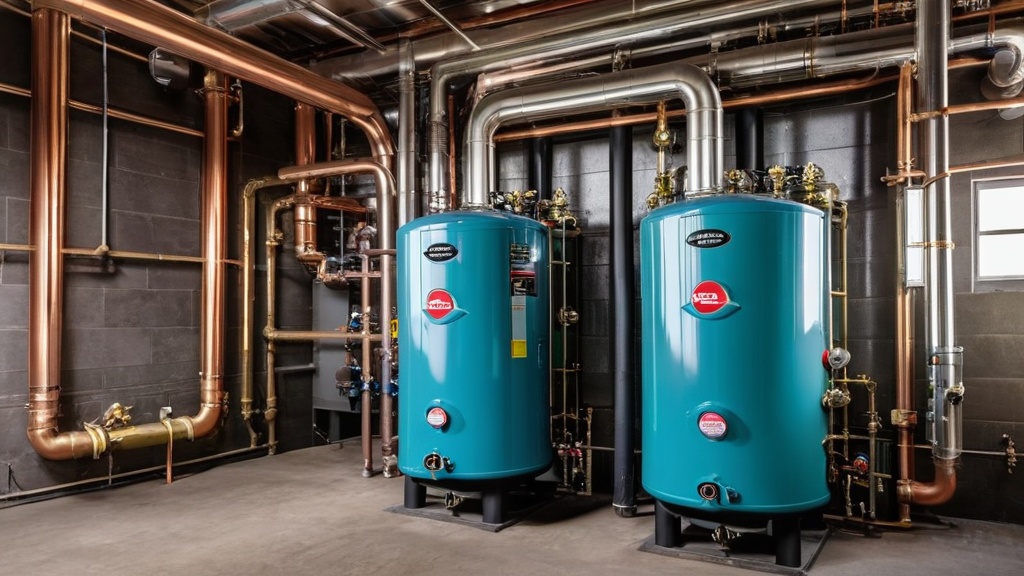
Following the completion of the audit, the management team at the Chhattisgarh cement plant took decisive action to implement Elion’s recommendations. A phased approach was adopted to ensure minimal disruption to ongoing operations while addressing critical inefficiencies identified during the audit. The first step involved recalibrating the combustion control system to achieve an optimal air-to-fuel ratio.
This adjustment was crucial in enhancing combustion efficiency and reducing fuel consumption. Subsequently, maintenance teams were mobilized to clean and refurbish heat exchangers as per Elion’s recommendations. The implementation of these changes resulted in noticeable improvements in boiler performance metrics within a short period.
Fuel consumption decreased significantly, leading to lower operational costs while also ensuring compliance with environmental regulations regarding emissions. The plant management reported an increase in overall efficiency metrics, which translated into enhanced productivity across various production lines.
Impact on the Cement Plant’s Operations and Efficiency
The impact of Elion’s comprehensive boiler audit on the Chhattisgarh cement plant’s operations has been profound. With improved combustion efficiency and enhanced heat recovery systems in place, the plant has experienced a marked reduction in energy costs. This financial relief has allowed management to allocate resources toward other critical areas of operation, fostering an environment of continuous improvement.
Moreover, the successful implementation of recommendations has bolstered the plant’s commitment to sustainability. With reduced emissions and improved energy efficiency, the facility has strengthened its position as an environmentally responsible manufacturer within the industry. This shift not only enhances compliance with regulatory standards but also resonates positively with stakeholders who prioritize sustainability in their business partnerships.
Future Plans for Maintenance and Reliability Improvement
Looking ahead, the management at the Chhattisgarh cement plant is committed to maintaining the momentum gained from Elion’s audit findings. A proactive maintenance strategy has been developed that emphasizes regular monitoring and evaluation of boiler performance metrics. This strategy includes scheduled audits every six months to ensure that any emerging issues are promptly addressed before they escalate into significant problems.
Additionally, plans are underway to invest in advanced monitoring technologies that utilize artificial intelligence and machine learning algorithms for predictive maintenance. By analyzing historical data trends alongside real-time performance metrics, these technologies will enable plant operators to anticipate potential failures and schedule maintenance activities more effectively. This forward-thinking approach not only aims to enhance reliability but also positions the cement plant as a leader in operational excellence within the industry.
In conclusion, Elion’s comprehensive boiler audit has proven instrumental in transforming the operational landscape of the Chhattisgarh cement plant. Through meticulous analysis and targeted recommendations, significant strides have been made toward improving efficiency and sustainability in boiler operations. As the plant continues on its journey toward enhanced reliability, it sets a benchmark for others in the industry striving for similar advancements in operational excellence.
Elion recently completed a comprehensive boiler audit for a cement plant in Chhattisgarh, aimed at enhancing the reliability and efficiency of their operations. This initiative aligns with the company’s commitment to maximizing energy efficiency, as discussed in a related article on their website. For more insights on how energy audits can significantly improve operational performance, you can read about it in the article titled “Maximize Your Energy Efficiency: The Top Energy Audit Service Provider in India” here.
FAQs
What was the main objective of Elion’s comprehensive boiler audit at the cement plant in Chhattisgarh?
The main objective was to enhance the reliability of the boiler system by identifying inefficiencies, potential risks, and areas for improvement.
Who conducted the boiler audit at the cement plant in Chhattisgarh?
Elion, a company specializing in industrial audits and energy solutions, conducted the comprehensive boiler audit.
What does a comprehensive boiler audit typically involve?
A comprehensive boiler audit involves a detailed inspection of the boiler system, including its components, operational parameters, safety measures, and energy efficiency, to assess performance and recommend improvements.
Why is boiler reliability important for a cement plant?
Boiler reliability is crucial for continuous and efficient production, minimizing downtime, ensuring safety, and reducing operational costs in a cement plant.
What benefits can a cement plant expect after completing a boiler audit?
Benefits include improved boiler efficiency, enhanced safety, reduced fuel consumption, lower emissions, and increased overall operational reliability.
Where is the cement plant located where Elion conducted the audit?
The cement plant is located in the state of Chhattisgarh, India.
How does a boiler audit contribute to environmental sustainability?
By identifying inefficiencies and recommending optimizations, a boiler audit helps reduce fuel consumption and emissions, contributing to more environmentally sustainable operations.
Is a comprehensive boiler audit a one-time process or periodic?
A comprehensive boiler audit is typically conducted periodically to ensure ongoing reliability and efficiency, though the frequency depends on the plant’s operational requirements and regulatory standards.
What industries commonly require boiler audits?
Industries such as cement manufacturing, power generation, chemical processing, and other heavy industries that rely on steam generation commonly require boiler audits.
Can the findings from the boiler audit lead to cost savings?
Yes, by improving efficiency and reducing fuel consumption and maintenance costs, the audit findings can lead to significant cost savings for the plant.