
Elion’s Earthing System Audit represents a critical evaluation of the earthing systems employed in various industrial settings, particularly in chemical plants where safety and operational integrity are paramount. The audit process is designed to assess the effectiveness of earthing systems, ensuring they meet regulatory standards and industry best practices. This comprehensive evaluation not only identifies potential weaknesses in the existing earthing infrastructure but also provides actionable insights for improvement.
By focusing on the specific needs of chemical plants, Elion’s audit aims to enhance safety protocols, reduce the risk of electrical hazards, and ensure compliance with stringent safety regulations. The audit process is multifaceted, involving a thorough examination of the earthing system’s design, installation, and maintenance practices. It encompasses a range of activities, including visual inspections, testing of earthing resistance, and analysis of system performance under various operational conditions.
The ultimate goal is to ensure that the earthing system effectively dissipates fault currents and minimizes the risk of electrical shock or fire hazards. In this context, Elion’s audit serves as a vital tool for chemical plants to safeguard their operations and protect their workforce. For reliable and accurate Earth Pit Testing, visit Earth Pit Testing to ensure your electrical safety standards are met.
Key Takeaways
- Elion’s Earthing System Audit ensures safety and reliability in chemical plants.
- Proper earthing is critical to prevent electrical hazards in chemical processing environments.
- The Dahej chemical plant underwent a detailed audit to assess its earthing infrastructure.
- The audit identified key issues and provided actionable recommendations for improvement.
- Implementing and maintaining these changes enhances plant safety and operational efficiency.
Importance of Earthing System in Chemical Plants
The significance of a robust earthing system in chemical plants cannot be overstated. These facilities often handle hazardous materials and operate complex machinery that can generate significant electrical currents. An effective earthing system is essential for protecting both personnel and equipment from electrical faults.
It provides a safe path for fault currents to flow into the ground, thereby preventing dangerous voltage levels from accumulating on equipment or structures. This is particularly crucial in environments where flammable substances are present, as even a minor electrical fault can lead to catastrophic consequences. Moreover, a well-designed earthing system plays a pivotal role in ensuring the reliability of electrical equipment.
In chemical plants, where continuous operation is vital, any disruption caused by electrical faults can lead to costly downtime and potential safety incidents. By effectively grounding electrical systems, the earthing system helps maintain operational stability and reduces the likelihood of equipment failure. Additionally, regulatory bodies impose strict guidelines regarding earthing systems in industrial settings, making compliance not just a matter of safety but also a legal obligation.
Overview of the Chemical Plant in Dahej
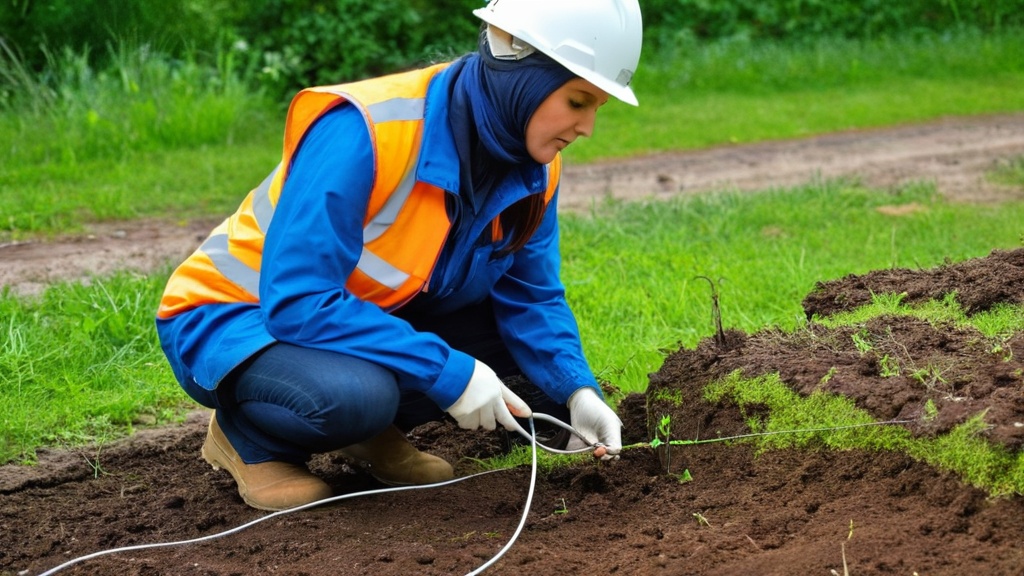
The chemical plant located in Dahej is one of the largest facilities in India, specializing in the production of various chemicals and petrochemicals. This facility plays a crucial role in the supply chain for numerous industries, including agriculture, pharmaceuticals, and manufacturing. Given its scale and complexity, the Dahej plant operates under stringent safety regulations to mitigate risks associated with chemical processing.
The plant’s infrastructure includes advanced machinery, storage tanks for hazardous materials, and extensive electrical systems that require meticulous attention to safety protocols. In light of its operations, the Dahej chemical plant faces unique challenges related to electrical safety. The presence of volatile chemicals necessitates a heightened focus on preventing electrical faults that could lead to fires or explosions.
Consequently, the plant’s management has prioritized the implementation of effective safety measures, including regular audits of its earthing system. By ensuring that its earthing infrastructure is robust and compliant with industry standards, the Dahej plant aims to protect its workforce and maintain operational efficiency.
Process and Methodology of Elion’s Earthing System Audit
Elion’s methodology for conducting an earthing system audit is systematic and thorough, designed to provide a comprehensive assessment of existing systems. The process begins with an initial review of documentation related to the earthing system, including design specifications, installation records, and maintenance logs. This preliminary analysis helps auditors understand the historical context of the system and identify any previous issues that may have been documented.
Following the documentation review, auditors conduct on-site inspections to evaluate the physical condition of the earthing system. This includes checking the integrity of grounding electrodes, connections, and conductors. Advanced testing equipment is employed to measure earth resistance values at various points within the system.
These measurements are critical for determining whether the earthing system can effectively dissipate fault currents. Additionally, auditors assess compliance with relevant standards such as IEEE 80 and IEC 60364, which provide guidelines for earthing practices in industrial environments.
Findings and Recommendations from the Audit
| Parameter | Details |
|---|---|
| Project Name | Earthing System Audit for Chemical Plant |
| Location | Dahej, India |
| Conducted By | Elion |
| Audit Date | March 2024 |
| Number of Earthing Points Inspected | 150 |
| Average Earth Resistance | 0.8 Ohms |
| Maximum Earth Resistance Recorded | 2.5 Ohms |
| Minimum Earth Resistance Recorded | 0.3 Ohms |
| Compliance with Standards | 95% |
| Recommendations Provided | Replacement of 10 earthing rods, additional grounding for new equipment |
| Audit Duration | 5 days |
The findings from Elion’s audit often reveal critical insights into the performance and reliability of the earthing system at the Dahej chemical plant. Common issues identified during audits may include inadequate grounding resistance levels, corroded connections, or improper installation practices that compromise system effectiveness. For instance, if grounding electrodes are not properly buried or if connections are loose or corroded, this can significantly increase resistance and reduce the system’s ability to safely dissipate fault currents.
Based on these findings, Elion provides tailored recommendations aimed at addressing identified deficiencies. These may include upgrading grounding electrodes to more effective materials such as copper-bonded steel or implementing regular maintenance schedules to ensure connections remain secure and corrosion-free. Additionally, recommendations may involve enhancing training programs for maintenance personnel to ensure they are equipped with the knowledge necessary to identify potential issues proactively.
By implementing these recommendations, the Dahej plant can significantly improve its electrical safety posture.
Implementation of the Recommended Changes
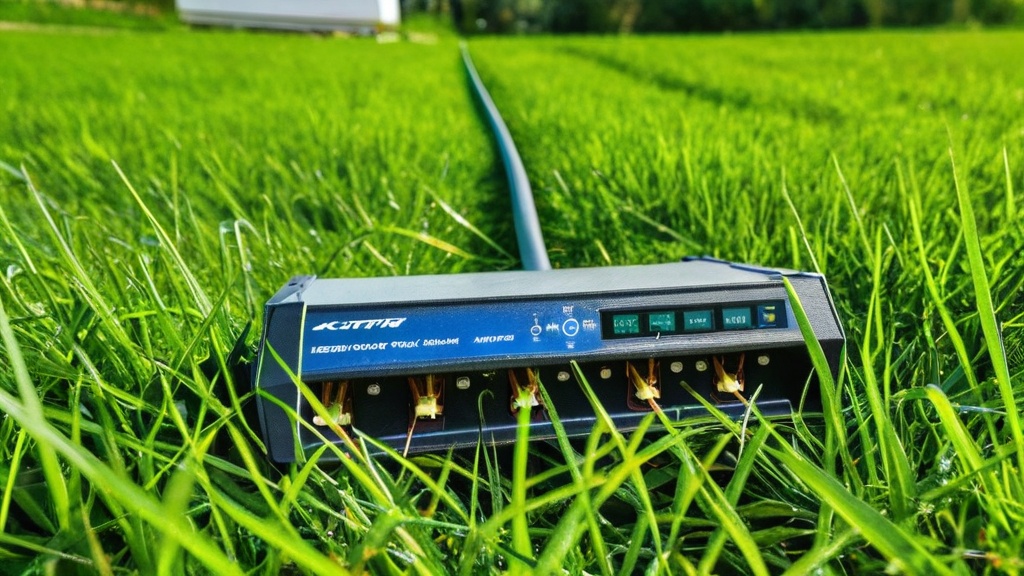
Implementing the recommended changes from Elion’s audit requires careful planning and coordination among various stakeholders within the Dahej chemical plant. The first step typically involves prioritizing recommendations based on their potential impact on safety and compliance. For example, addressing critical issues such as high grounding resistance may take precedence over less urgent improvements.
Once priorities are established, a detailed action plan is developed outlining specific tasks, timelines, and responsible parties for each recommendation. This plan may involve engaging external contractors with expertise in electrical systems to perform necessary upgrades or repairs. For instance, if new grounding electrodes are required, specialized teams may be brought in to ensure proper installation according to industry standards.
Throughout the implementation process, ongoing communication is essential to keep all stakeholders informed about progress and any challenges encountered. Regular meetings can facilitate collaboration between maintenance teams, safety personnel, and management to ensure that changes are made efficiently and effectively.
Benefits of a Well-Maintained Earthing System for the Chemical Plant
A well-maintained earthing system offers numerous benefits that extend beyond mere compliance with regulations. One of the most significant advantages is enhanced safety for personnel working within the chemical plant. By effectively grounding electrical systems, the risk of electrical shock or fire hazards is minimized, creating a safer working environment for employees.
This not only protects workers but also fosters a culture of safety within the organization. In addition to improving safety outcomes, a reliable earthing system contributes to operational efficiency by reducing equipment downtime caused by electrical faults. When grounding systems function optimally, they help prevent equipment failures that can disrupt production processes.
This reliability translates into cost savings for the plant by minimizing unplanned outages and associated repair costs. Furthermore, maintaining an effective earthing system can enhance the overall reputation of the chemical plant within the industry. A commitment to safety and compliance demonstrates to clients and regulatory bodies that the facility prioritizes responsible operations.
This can lead to increased trust from stakeholders and potentially open doors for new business opportunities.
Future Maintenance and Monitoring of the Earthing System
To ensure long-term effectiveness, ongoing maintenance and monitoring of the earthing system are essential components of a comprehensive safety strategy at the Dahej chemical plant. Regular inspections should be scheduled to assess the condition of grounding electrodes and connections, allowing for early detection of any issues that may arise over time. This proactive approach helps prevent minor problems from escalating into significant safety hazards.
In addition to routine inspections, implementing advanced monitoring technologies can further enhance oversight of the earthing system’s performance. For example, continuous monitoring systems can provide real-time data on grounding resistance levels and alert maintenance personnel to any deviations from acceptable thresholds. This technology enables rapid response to potential issues before they compromise safety or operational integrity.
Training programs for staff should also be an integral part of future maintenance strategies. Ensuring that personnel are knowledgeable about best practices for maintaining earthing systems empowers them to take an active role in safeguarding electrical safety within the plant. By fostering a culture of vigilance and responsibility regarding electrical systems, the Dahej chemical plant can continue to operate safely and efficiently for years to come.
In the context of the Elion Conducted Earthing System Audit for a Chemical Plant in Dahej, it’s essential to consider the broader implications of safety and efficiency in industrial settings. For instance, understanding fire load calculations can significantly enhance safety measures in chemical plants. You can read more about this in our article on demystifying fire load calculation, which provides valuable insights into how proper calculations can prevent potential hazards and ensure compliance with safety regulations.
FAQs
What is an earthing system audit?
An earthing system audit is a comprehensive inspection and evaluation of the electrical grounding system in a facility. It ensures that the earthing system is functioning correctly to provide safety against electrical faults and to protect equipment and personnel.
Why is earthing important in a chemical plant?
Earthing is crucial in a chemical plant to prevent electrical shocks, reduce the risk of fire or explosion due to electrical faults, and ensure the safe operation of sensitive equipment. Proper earthing helps in dissipating fault currents safely into the ground.
Who conducted the earthing system audit for the chemical plant in Dahej?
The earthing system audit for the chemical plant in Dahej was conducted by Elion, a company specializing in electrical safety and earthing solutions.
What does an earthing system audit typically involve?
An earthing system audit typically involves inspecting the physical condition of earthing components, measuring earth resistance, verifying compliance with safety standards, and recommending improvements if necessary.
What are the benefits of conducting an earthing system audit?
Benefits include enhanced safety for personnel, protection of equipment from electrical faults, compliance with regulatory standards, and prevention of costly downtime or accidents.
Where is Dahej located?
Dahej is an industrial hub located in the state of Gujarat, India, known for its chemical and manufacturing plants.
Is earthing system maintenance required after the audit?
Yes, regular maintenance and periodic audits are recommended to ensure the earthing system remains effective and safe over time.
Can an earthing system audit prevent electrical accidents?
While it cannot guarantee prevention, an earthing system audit significantly reduces the risk of electrical accidents by identifying and rectifying potential issues in the grounding system.