
Power quality analysis is a critical aspect of electrical engineering that focuses on the characteristics of electrical power and its suitability for use in various applications. It encompasses a range of parameters, including voltage levels, frequency stability, harmonics, transients, and other disturbances that can affect the performance of electrical equipment. The significance of power quality cannot be overstated, as poor power quality can lead to equipment malfunctions, increased operational costs, and even safety hazards.
In an era where industries are increasingly reliant on sophisticated electronic systems, understanding and maintaining power quality has become paramount. The analysis of power quality involves the measurement and evaluation of these parameters to ensure that they meet the required standards for optimal performance. This process often employs advanced monitoring equipment and software tools that can capture real-time data on electrical systems.
By identifying issues such as voltage sags, swells, and harmonic distortions, engineers can diagnose problems that may not be immediately apparent but can have long-term implications for operational efficiency and equipment longevity. As industries strive for greater reliability and efficiency, power quality analysis emerges as a vital tool in safeguarding their electrical infrastructure. For detailed insights on improving electrical systems, visit Power Quality Analysis.
Key Takeaways
- Power quality analysis is crucial for maintaining efficient and reliable industrial operations.
- Poor power quality can lead to equipment damage, downtime, and increased operational costs in industrial settings.
- Elion offers specialized power quality analysis services tailored to identify and resolve electrical issues in industries.
- A case study at a steel fabrication plant demonstrated the effectiveness of Elion’s methodology in diagnosing power quality problems.
- Implementing recommended solutions from the analysis resulted in improved power quality and operational performance at the plant.
Importance of Power Quality in Industrial Settings
In industrial settings, the importance of power quality is magnified due to the complex nature of operations and the reliance on sensitive electronic equipment. Manufacturing processes often involve heavy machinery, automated systems, and precision instruments that require stable and clean power to function correctly. Fluctuations in power quality can lead to unexpected downtime, which not only disrupts production schedules but also incurs significant financial losses.
For instance, a voltage dip can cause a motor to stall or a programmable logic controller (PLC) to reset, resulting in costly delays and potential damage to equipment. Moreover, industries are increasingly adopting automation and digital technologies that demand higher standards of power quality. The integration of Internet of Things (IoT) devices, robotics, and advanced control systems necessitates a stable power supply to ensure seamless operation.
Poor power quality can lead to data corruption, communication failures, and even catastrophic system failures. Therefore, maintaining high power quality is not just about compliance with regulations; it is essential for enhancing productivity, ensuring safety, and achieving operational excellence in industrial environments.
Overview of Elion’s Power Quality Analysis Services
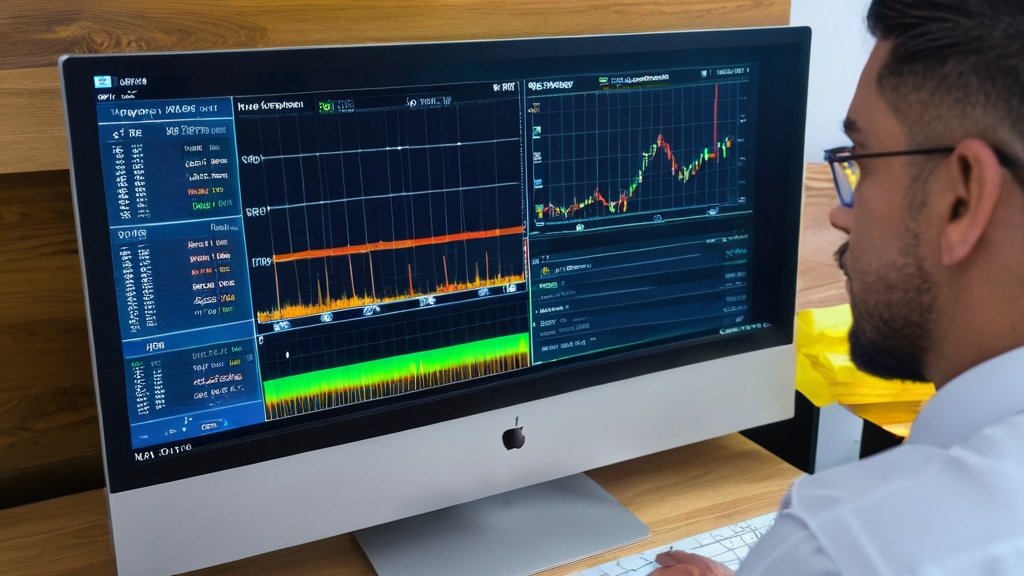
Elion is a leading provider of power quality analysis services tailored to meet the needs of various industries. With a team of experienced engineers and state-of-the-art monitoring equipment, Elion offers comprehensive solutions designed to assess and improve power quality in industrial settings. Their services encompass a wide range of activities, including site assessments, real-time monitoring, data analysis, and the implementation of corrective measures.
By leveraging advanced technologies and methodologies, Elion helps clients identify power quality issues and develop strategies to mitigate their impact. One of the key features of Elion’s services is their ability to provide customized solutions based on the specific requirements of each client. They understand that different industries have unique challenges when it comes to power quality, and their approach is tailored accordingly.
Whether it involves conducting detailed harmonic analysis in a manufacturing plant or assessing voltage stability in a data center, Elion’s team is equipped to deliver precise insights that drive informed decision-making. Their commitment to excellence ensures that clients receive actionable recommendations that enhance the reliability and efficiency of their electrical systems.
Case Study: Steel Fabrication Plant
To illustrate the practical application of power quality analysis, consider a case study involving a steel fabrication plant that faced significant operational challenges due to poor power quality. The facility relied heavily on electric arc furnaces (EAFs) for steel production, which are particularly sensitive to fluctuations in voltage and current. Over time, the plant experienced frequent equipment failures, unplanned downtime, and increased maintenance costs attributed to power quality issues.
Recognizing the need for intervention, the management sought Elion’s expertise to conduct a thorough power quality analysis. Elion’s team initiated the project by performing an extensive site assessment to identify potential sources of power quality disturbances. They deployed advanced monitoring equipment throughout the facility to capture real-time data on voltage levels, harmonics, transients, and other relevant parameters.
The analysis revealed several critical issues, including excessive harmonic distortion caused by non-linear loads associated with the EAFs and inadequate voltage regulation during peak operational periods. These findings provided a clear understanding of the challenges facing the plant and set the stage for developing targeted solutions.
Methodology of Power Quality Analysis at the Plant
| Parameter | Measurement | Unit | Standard Limit | Observations |
|---|---|---|---|---|
| Voltage Fluctuation | 7.5 | % | 5% | Exceeds standard limit, causing flicker |
| Harmonic Distortion (THD) | 8.2 | % | 5% | High distortion affecting sensitive equipment |
| Voltage Unbalance | 2.1 | % | 1% | Moderate unbalance detected |
| Power Factor | 0.85 | Ratio | 0.95 | Low power factor, potential for penalties |
| Frequency Variation | 49.8 – 50.2 | Hz | ±0.5 Hz | Within acceptable range |
| Voltage Sags | 15 | Events per month | 5 | Frequent sags impacting production |
The methodology employed by Elion for power quality analysis at the steel fabrication plant involved several systematic steps designed to ensure comprehensive data collection and accurate assessment. Initially, the team established baseline measurements by monitoring key parameters over an extended period. This approach allowed them to capture variations in power quality during different operational scenarios, including peak production times and maintenance periods.
Following baseline measurements, Elion conducted a detailed harmonic analysis using specialized software tools capable of identifying harmonic frequencies generated by various loads within the facility. This analysis was crucial in pinpointing specific sources of distortion that could adversely affect equipment performance. Additionally, voltage sags and swells were monitored using high-resolution data loggers strategically placed at critical points in the electrical distribution system.
By correlating these findings with operational data from the EAFs and other machinery, Elion was able to develop a comprehensive picture of the plant’s power quality landscape.
Findings and Recommendations from the Analysis
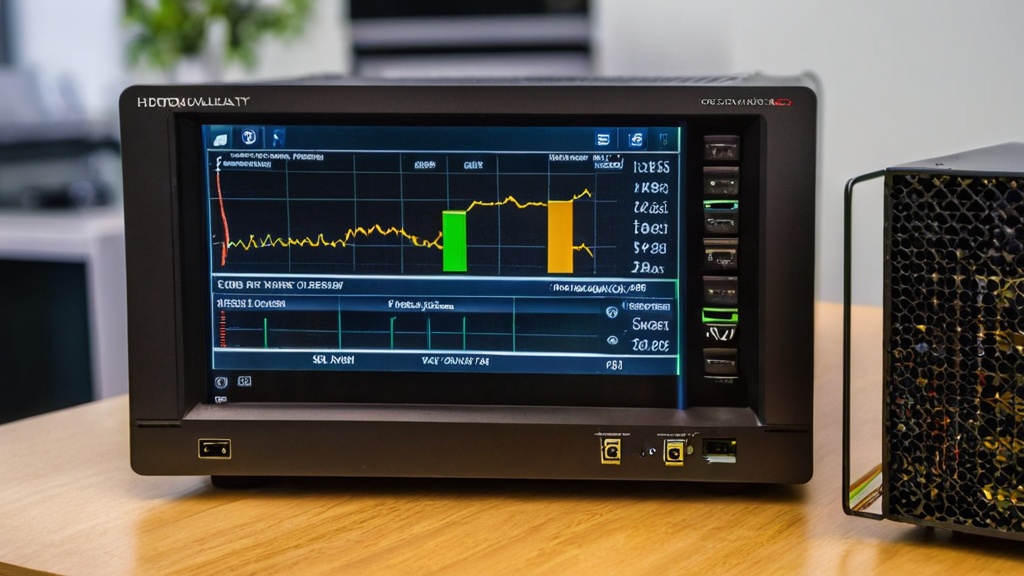
The findings from Elion’s power quality analysis at the steel fabrication plant were both revealing and actionable. The analysis indicated that harmonic distortion levels exceeded industry standards, primarily due to the operation of multiple EAFs simultaneously. This excessive distortion not only affected the performance of sensitive equipment but also posed risks to the overall stability of the electrical system.
Furthermore, voltage fluctuations during peak load conditions were identified as a significant contributor to equipment malfunctions and increased wear on machinery. Based on these findings, Elion provided several recommendations aimed at improving power quality within the facility. One key suggestion was the installation of active harmonic filters designed to mitigate harmonic distortion generated by non-linear loads.
These filters would actively counteract harmonics in real-time, ensuring that voltage waveforms remained within acceptable limits. Additionally, Elion recommended upgrading voltage regulation equipment to enhance stability during peak demand periods. This dual approach aimed not only to rectify existing issues but also to future-proof the plant against potential power quality challenges as production demands evolved.
Implementation of Solutions for Power Quality Improvement
The implementation phase of Elion’s recommendations involved close collaboration with the steel fabrication plant’s management and engineering teams. Recognizing the urgency of addressing power quality issues, Elion prioritized the installation of active harmonic filters as a first step. These filters were integrated into the existing electrical infrastructure with minimal disruption to ongoing operations.
The installation process included rigorous testing to ensure compatibility with existing equipment and compliance with industry standards. In parallel with the installation of harmonic filters, Elion facilitated upgrades to voltage regulation systems throughout the facility. This involved replacing outdated equipment with modern solutions capable of providing real-time voltage stabilization during peak load conditions.
The implementation process was meticulously planned to minimize downtime while ensuring that all safety protocols were adhered to during installation. Following completion, Elion conducted follow-up assessments to verify improvements in power quality metrics and ensure that the solutions were functioning as intended.
Conclusion and Future Considerations
The case study of the steel fabrication plant underscores the critical role that power quality analysis plays in industrial settings. By identifying and addressing power quality issues through systematic analysis and targeted interventions, Elion was able to significantly enhance operational efficiency and reduce maintenance costs for the facility. The successful implementation of active harmonic filters and upgraded voltage regulation systems not only resolved immediate challenges but also positioned the plant for future growth.
Looking ahead, industries must remain vigilant about power quality as they continue to adopt new technologies and expand their operations. As electrical systems become more complex with increased reliance on automation and digitalization, ongoing monitoring and analysis will be essential in maintaining optimal performance. Companies like Elion will play a pivotal role in guiding industries through these transitions by providing expert insights and innovative solutions tailored to evolving needs in power quality management.
Elion recently conducted a comprehensive power quality analysis at a steel fabrication plant, highlighting the importance of maintaining optimal power conditions in industrial settings. This analysis is crucial for ensuring operational efficiency and minimizing downtime. For further insights into Elion’s expertise in enhancing industrial operations, you can read about their successful relay coordination study in Sanand, Gujarat, which showcases their commitment to improving electrical systems. Check out the article here.
Need expert assistance with Power Quality Analysis? Contact Elion Technologies and Consulting Pvt. Ltd. now.
FAQs
What is power quality analysis?
Power quality analysis is the process of measuring and evaluating the electrical power supply to identify issues such as voltage fluctuations, harmonics, and interruptions that can affect the performance of electrical equipment.
Why is power quality important in a steel fabrication plant?
Power quality is crucial in a steel fabrication plant because poor power quality can lead to equipment malfunctions, reduced efficiency, increased downtime, and higher maintenance costs, all of which impact production and safety.
Who conducted the power quality analysis at the steel fabrication plant?
The power quality analysis at the steel fabrication plant was conducted by Elion, a company specializing in electrical engineering and power quality solutions.
What are common power quality issues found in industrial plants like steel fabrication facilities?
Common power quality issues include voltage sags and swells, harmonic distortion, transient disturbances, flicker, and unbalanced loads, all of which can affect sensitive machinery and control systems.
What methods are used during a power quality analysis?
Methods typically include monitoring voltage and current waveforms, measuring harmonic levels, recording transient events, and analyzing load patterns over time using specialized power quality analyzers.
How can power quality analysis benefit a steel fabrication plant?
It helps identify and mitigate electrical disturbances, improve equipment reliability, optimize energy usage, reduce downtime, and ensure compliance with industry standards.
What types of equipment might be affected by poor power quality in a steel fabrication plant?
Equipment such as welding machines, motors, control systems, and automated machinery can be adversely affected by poor power quality, leading to operational inefficiencies or failures.
Is power quality analysis a one-time process or ongoing?
While an initial comprehensive analysis is important, ongoing monitoring is recommended to detect and address power quality issues as they arise over time.
Can power quality issues cause safety hazards in a steel fabrication plant?
Yes, poor power quality can lead to equipment malfunctions that may pose safety risks to personnel and damage to the facility.
What steps are taken after identifying power quality problems?
After identification, corrective actions may include installing power conditioning equipment, upgrading infrastructure, balancing loads, or implementing maintenance procedures to improve power quality.