
Elion’s Power Quality Analysis represents a critical examination of the electrical power systems that underpin modern manufacturing operations. In an era where efficiency and reliability are paramount, understanding the nuances of power quality is essential for manufacturers seeking to optimize their processes. Power quality encompasses a range of electrical parameters, including voltage stability, frequency consistency, and harmonic distortion, all of which can significantly impact the performance of machinery and the overall productivity of manufacturing facilities.
Elion’s approach to power quality analysis not only identifies existing issues but also provides actionable insights that can lead to enhanced operational efficiency. The importance of power quality cannot be overstated, particularly in a multi-industry manufacturing cluster where diverse processes and equipment coexist. Variations in power quality can lead to equipment malfunctions, increased downtime, and ultimately, financial losses.
By conducting a thorough analysis, Elion aims to equip manufacturers with the knowledge necessary to mitigate these risks. This analysis serves as a foundation for understanding how power quality affects not just individual machines but entire production lines and facilities, thereby influencing the broader economic landscape of the manufacturing sector. For detailed insights on improving electrical systems, visit Power Quality Analysis.
Key Takeaways
- Elion’s Power Quality Analysis provides critical insights into electrical performance within a multi-industry manufacturing cluster.
- The study employs a detailed methodology to assess power quality issues affecting manufacturing operations.
- Findings reveal significant power quality disturbances that impact production efficiency and equipment reliability.
- Recommendations focus on targeted improvements to enhance power stability and reduce operational disruptions.
- Future power quality management should incorporate continuous monitoring and adaptive strategies to sustain manufacturing performance.
Overview of the Multi-Industry Manufacturing Cluster
The multi-industry manufacturing cluster is a dynamic ecosystem that encompasses a wide array of sectors, including automotive, electronics, food processing, and pharmaceuticals. Each of these industries has unique power requirements and operational challenges, making the management of power quality a complex yet vital task. For instance, the automotive sector relies heavily on precision machinery that demands stable voltage levels to ensure the accuracy of assembly processes.
Conversely, the electronics industry may be more sensitive to harmonic distortions that can disrupt sensitive components during production. In this diverse environment, manufacturers often share resources and infrastructure, which can lead to compounded power quality issues. For example, a sudden spike in demand from one sector can create voltage fluctuations that affect neighboring industries.
This interconnectedness highlights the need for a comprehensive approach to power quality management that considers the collective impact on all stakeholders within the cluster. By understanding the specific power quality challenges faced by each industry, Elion can tailor its analysis to address the unique needs of various manufacturers while promoting collaboration and shared solutions.
Methodology for Conducting Power Quality Analysis

Elion employs a systematic methodology for conducting power quality analysis that integrates both quantitative and qualitative assessments. The process begins with data collection, where advanced monitoring equipment is deployed across various points in the manufacturing facility. This equipment captures real-time data on voltage levels, current flow, frequency variations, and harmonic content.
The use of high-resolution data loggers allows for a comprehensive understanding of power quality over time, enabling Elion to identify patterns and anomalies that may not be apparent through sporadic measurements. Following data collection, Elion conducts a detailed analysis using specialized software tools designed to interpret the collected data. This analysis includes the identification of voltage sags, swells, transients, and harmonics that could potentially disrupt manufacturing operations.
Additionally, Elion engages with facility personnel to gather insights on operational practices and any observed issues related to power quality. This qualitative component enriches the analysis by providing context to the numerical data, allowing for a more holistic understanding of how power quality impacts day-to-day operations.
Findings and Results of the Power Quality Analysis
The findings from Elion’s power quality analysis often reveal a complex interplay of factors affecting manufacturing operations. Common issues identified include frequent voltage sags during peak operational hours, which can lead to unexpected machine shutdowns and production delays. For instance, in an automotive assembly plant, even a brief voltage dip can halt robotic arms responsible for precision tasks, resulting in costly downtime and potential rework.
Additionally, harmonic distortion levels may exceed acceptable thresholds due to non-linear loads from variable frequency drives (VFDs) used in motors, further complicating the power quality landscape. Another significant finding is the correlation between power quality issues and equipment lifespan. Machines subjected to poor power quality conditions tend to experience accelerated wear and tear, leading to increased maintenance costs and reduced operational efficiency.
For example, in a food processing facility where temperature control is critical, fluctuations in power quality can compromise product integrity and safety standards. By quantifying these impacts through Elion’s analysis, manufacturers gain valuable insights into the financial implications of neglecting power quality management.
Impact of Power Quality on Manufacturing Processes
| Parameter | Measurement | Unit | Industry Impact | Recommended Action |
|---|---|---|---|---|
| Voltage Fluctuation | 3.5 | % | Causes equipment malfunction and reduced lifespan | Install voltage stabilizers and improve grid regulation |
| Harmonic Distortion (THD) | 7.2 | % | Leads to overheating and inefficiency in motors | Use harmonic filters and upgrade power factor correction devices |
| Voltage Sags | 15 | Events per month | Interrupts sensitive manufacturing processes | Implement uninterruptible power supplies (UPS) and ride-through systems |
| Frequency Variation | 0.05 | Hz | Impacts synchronization of machinery | Enhance frequency regulation mechanisms |
| Power Factor | 0.85 | Ratio | Increases energy losses and utility charges | Install capacitors and optimize load distribution |
The impact of power quality on manufacturing processes extends beyond immediate operational disruptions; it also influences long-term strategic decisions. Poor power quality can lead to inefficiencies that ripple through the entire production cycle. For instance, if machinery frequently malfunctions due to voltage instability, manufacturers may need to invest in redundant systems or backup generators to maintain production levels.
This not only increases capital expenditures but also complicates operational logistics. Moreover, the effects of power quality issues are often felt in product quality as well. In industries such as electronics manufacturing, where precision is paramount, even minor fluctuations in power can result in defects that compromise product reliability.
This can lead to increased warranty claims and damage to brand reputation. As manufacturers strive for leaner operations and just-in-time production models, maintaining optimal power quality becomes essential for ensuring consistent output and meeting customer expectations.
Recommendations for Improving Power Quality
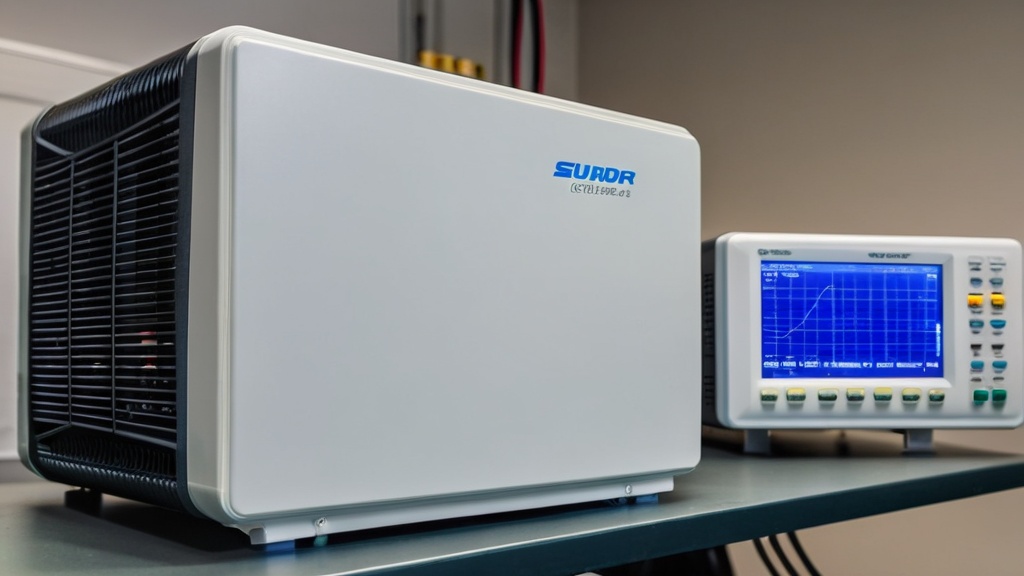
To address the challenges identified in Elion’s power quality analysis, several recommendations can be implemented across manufacturing facilities. First and foremost is the installation of advanced power conditioning equipment such as uninterruptible power supplies (UPS) and voltage regulators. These devices can help stabilize voltage levels and provide backup power during outages or fluctuations, ensuring that critical machinery remains operational.
Additionally, manufacturers should consider conducting regular power audits to monitor ongoing power quality conditions. By establishing baseline measurements and continuously tracking performance metrics, facilities can proactively identify emerging issues before they escalate into significant problems. Training personnel on best practices for energy management can also foster a culture of awareness around power quality issues, empowering employees to take action when anomalies are detected.
Future Considerations for Power Quality Management
As technology continues to evolve, so too will the challenges associated with power quality management in manufacturing environments. The increasing integration of smart technologies and automation presents both opportunities and risks. On one hand, smart sensors can provide real-time monitoring capabilities that enhance visibility into power quality conditions; on the other hand, they may introduce new vulnerabilities if not properly secured.
Furthermore, as industries move towards more sustainable practices, the impact of renewable energy sources on power quality must be considered. The intermittent nature of solar and wind energy can lead to fluctuations that affect grid stability and manufacturing operations. Manufacturers will need to adapt their power quality management strategies to account for these changes while also exploring innovative solutions such as energy storage systems that can buffer against variability.
Conclusion and Key Takeaways from the Analysis
Elion’s Power Quality Analysis underscores the critical role that power quality plays in the efficiency and reliability of manufacturing processes across diverse industries. By employing a rigorous methodology that combines quantitative data with qualitative insights, Elion provides manufacturers with a comprehensive understanding of their power quality challenges. The findings highlight not only the immediate impacts on operational performance but also the long-term implications for equipment lifespan and product quality.
As manufacturers navigate an increasingly complex landscape characterized by technological advancements and sustainability goals, proactive management of power quality will be essential. Implementing targeted recommendations such as advanced conditioning equipment and regular audits can significantly enhance operational resilience. Ultimately, by prioritizing power quality management, manufacturers can position themselves for success in an ever-evolving market while safeguarding their investments in technology and infrastructure.
Elion’s recent power quality analysis for a multi-industry manufacturing cluster highlights the importance of maintaining optimal electrical systems to prevent disruptions. This analysis is particularly relevant in the context of enhancing electrical safety, as discussed in a related article on the case study of a general insurance company. You can read more about it here: Enhancing Electrical Safety: General Insurance Company Case Study.
FAQs
What is power quality analysis?
Power quality analysis involves assessing the electrical power supply to identify issues such as voltage fluctuations, harmonics, interruptions, and other disturbances that can affect the performance and reliability of electrical equipment.
Who conducted the power quality analysis for the multi-industry manufacturing cluster?
Elion conducted the power quality analysis for the multi-industry manufacturing cluster.
What is a multi-industry manufacturing cluster?
A multi-industry manufacturing cluster is a geographic concentration of various manufacturing companies from different industries that operate in close proximity, often sharing infrastructure and resources.
Why is power quality important for manufacturing clusters?
Power quality is crucial for manufacturing clusters because poor power quality can lead to equipment malfunctions, production downtime, increased maintenance costs, and reduced product quality.
What types of power quality issues are typically analyzed?
Common power quality issues analyzed include voltage sags and swells, harmonics, flicker, transients, frequency variations, and interruptions.
How does Elion perform power quality analysis?
Elion typically uses specialized monitoring equipment to collect data on electrical parameters over a period of time, followed by detailed analysis to identify and diagnose power quality problems.
What are the benefits of conducting a power quality analysis?
Benefits include improved reliability of electrical systems, reduced downtime, enhanced equipment lifespan, optimized energy usage, and identification of corrective measures to mitigate power quality problems.
Can power quality issues affect multiple industries within a cluster?
Yes, power quality issues can impact all industries within a cluster, especially if they share the same electrical infrastructure, leading to widespread operational disruptions.
What actions can be taken after identifying power quality problems?
Actions may include installing power conditioning equipment, upgrading infrastructure, implementing maintenance programs, and collaborating with utility providers to improve supply quality.
Is power quality analysis a one-time process or ongoing?
Power quality analysis can be both a one-time diagnostic process and an ongoing monitoring activity to ensure continuous electrical system performance and early detection of issues.