
Electrical safety audits are critical in manufacturing plants, where the risk of electrical hazards can lead to severe accidents, equipment damage, and even loss of life. These audits serve as a systematic examination of electrical systems, identifying potential risks and ensuring compliance with safety regulations. In an environment where heavy machinery and complex electrical systems operate simultaneously, the importance of these audits cannot be overstated.
They not only protect the workforce but also safeguard the integrity of the manufacturing process itself. Moreover, electrical safety audits contribute to the overall efficiency of operations. By identifying and rectifying electrical issues before they escalate into significant problems, manufacturers can avoid costly downtime and maintain productivity.
Regular audits help in establishing a culture of safety within the organization, where employees are more aware of potential hazards and are encouraged to report unsafe conditions. This proactive approach not only enhances workplace safety but also fosters a sense of responsibility among employees, leading to a more engaged and vigilant workforce. For ensuring compliance and preventing hazards, it is essential to conduct a thorough Electrical Safety Audit.
Key Takeaways
- Electrical safety audits are crucial for identifying risks and ensuring safe operations in manufacturing plants.
- Elion’s audit process provides a comprehensive evaluation of electrical systems to detect hazards and recommend improvements.
- The audit at the Gujarat textile plant revealed key safety gaps and led to targeted recommendations for upgrades.
- Implementing the recommended safety measures significantly enhanced operational safety and fostered a stronger safety culture.
- Ongoing training and adherence to safety standards are essential for maintaining electrical safety and continuous improvement.
Overview of Elion’s Electrical Safety Audit Process
Elion’s electrical safety audit process is a comprehensive evaluation designed to assess the electrical systems within manufacturing plants thoroughly. The process begins with a detailed pre-audit assessment, where Elion’s team gathers information about the plant’s electrical infrastructure, including schematics, maintenance records, and previous audit reports. This initial phase is crucial as it sets the foundation for a targeted and effective audit.
Following the pre-audit assessment, Elion conducts a physical inspection of the electrical systems. This includes examining wiring, circuit breakers, grounding systems, and safety devices. The team utilizes advanced diagnostic tools to measure insulation resistance, identify potential overloads, and assess the overall condition of electrical equipment.
Additionally, interviews with plant personnel are conducted to understand their experiences and concerns regarding electrical safety. This holistic approach ensures that all aspects of electrical safety are considered, leading to a thorough understanding of the plant’s unique challenges.
Findings and Recommendations from the Audit at the Textile Manufacturing Plant in Gujarat
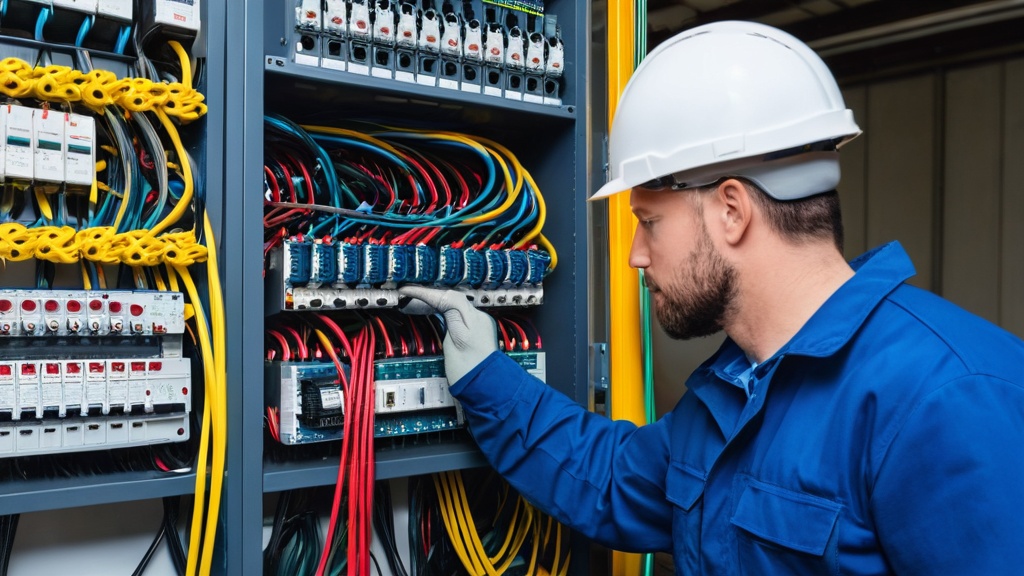
The audit conducted at the textile manufacturing plant in Gujarat revealed several critical findings that highlighted areas for improvement. One significant issue identified was inadequate grounding of electrical equipment, which posed a risk of electric shock to workers. The audit team found that several machines were not properly grounded, increasing the likelihood of electrical faults that could lead to accidents.
Additionally, outdated circuit breakers were discovered, which did not meet current safety standards and could fail to protect against overloads. In response to these findings, Elion provided a series of recommendations aimed at enhancing electrical safety at the plant. First and foremost, it was advised that all equipment be properly grounded according to industry standards.
This would involve retrofitting existing machinery with appropriate grounding systems and conducting regular inspections to ensure compliance. Furthermore, the audit recommended upgrading circuit breakers to modern standards that include features such as arc fault protection and ground fault circuit interrupters (GFCIs). These upgrades would significantly reduce the risk of electrical hazards and enhance overall safety in the workplace.
Implementation of Safety Measures and Upgrades
Following the audit’s recommendations, the textile manufacturing plant in Gujarat embarked on a comprehensive implementation plan to address the identified issues. The first step involved engaging qualified electricians to assess and rectify grounding deficiencies across all machinery. This process included installing new grounding rods and ensuring that all equipment was connected to a reliable grounding system.
The electricians also conducted training sessions for maintenance staff on the importance of grounding and how to perform regular checks. In addition to grounding improvements, the plant management prioritized upgrading circuit breakers throughout the facility. This involved replacing outdated breakers with modern units equipped with advanced safety features.
The installation process was carefully planned to minimize disruption to production schedules while ensuring that all safety protocols were followed. As part of this upgrade initiative, Elion also recommended implementing a routine maintenance schedule for all electrical systems, which would include regular testing of circuit breakers and other protective devices to ensure they function correctly.
Impact of the Audit on the Plant’s Operations and Safety Culture
| Audit Parameter | Details | Findings | Recommendations |
|---|---|---|---|
| Location | Textile Manufacturing Plant, Gujarat | – | – |
| Date of Audit | March 2024 | – | – |
| Electrical Equipment Inspected | Motors, Transformers, Switchgear, Wiring | 85% compliant, 15% required maintenance | Repair and replace faulty wiring and components |
| Safety Signage | Warning labels, Emergency exits, PPE instructions | 70% adequate, 30% missing or unclear | Install additional signage and update existing ones |
| Personal Protective Equipment (PPE) Usage | Gloves, Insulated boots, Helmets | 90% compliance among workers | Conduct refresher training on PPE importance |
| Emergency Preparedness | Fire extinguishers, First aid kits, Emergency drills | All equipment functional, drills conducted quarterly | Maintain schedule and conduct surprise drills |
| Grounding and Earthing | Ground rods, Earthing resistance | Resistance within acceptable limits | Periodic testing every 6 months |
| Training and Awareness | Electrical safety training sessions | 80% workers trained in last 12 months | Increase frequency and include new hires promptly |
The impact of Elion’s electrical safety audit on the textile manufacturing plant’s operations was profound. By addressing critical safety issues, the plant not only improved its compliance with safety regulations but also fostered a culture of safety among its workforce. Employees became more aware of electrical hazards and were encouraged to participate actively in safety initiatives.
This shift in mindset led to increased reporting of unsafe conditions and a greater emphasis on preventive measures. Furthermore, the implementation of upgraded electrical systems resulted in enhanced operational efficiency. With modern circuit breakers in place and proper grounding established, the risk of equipment failure due to electrical faults was significantly reduced.
This translated into fewer production interruptions and lower maintenance costs over time. The plant’s management noted an increase in employee morale as workers felt safer in their environment, leading to improved productivity and overall job satisfaction.
Compliance with Local and International Electrical Safety Standards
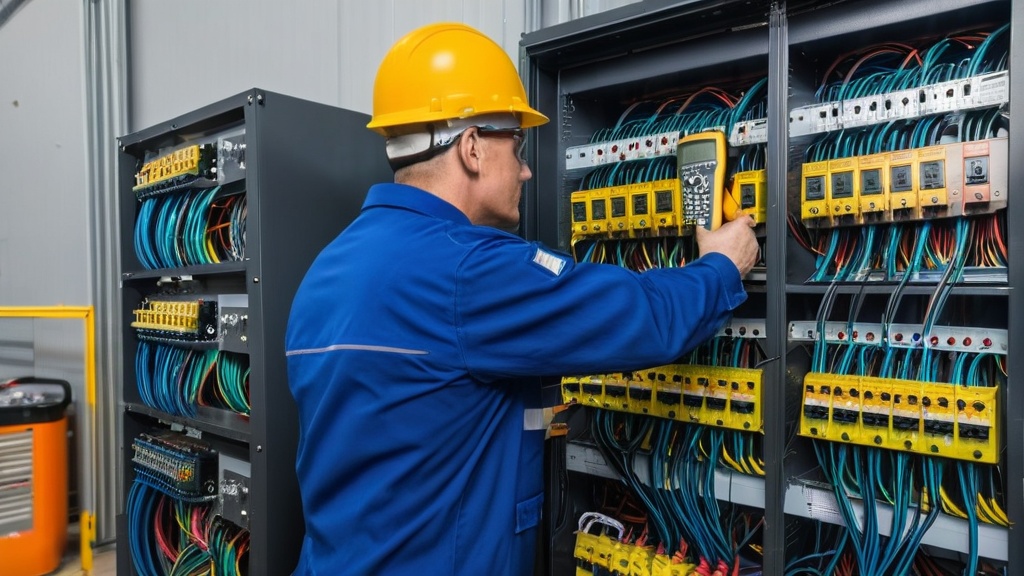
Compliance with local and international electrical safety standards is paramount for any manufacturing facility aiming to operate safely and efficiently. The audit conducted by Elion ensured that the textile manufacturing plant in Gujarat adhered to relevant regulations set forth by local authorities as well as international guidelines such as those established by the International Electrotechnical Commission (IEC) and the National Fire Protection Association (NFPA). By aligning its practices with these standards, the plant not only mitigated risks associated with electrical hazards but also positioned itself favorably in terms of market competitiveness.
Compliance can often be a prerequisite for securing contracts with larger clients who prioritize safety in their supply chains. Additionally, adherence to these standards can facilitate smoother inspections by regulatory bodies, reducing the likelihood of fines or operational shutdowns due to non-compliance.
Training and Education for Plant Personnel on Electrical Safety
A crucial component of maintaining electrical safety within manufacturing plants is ongoing training and education for personnel. Following Elion’s audit, the textile manufacturing plant recognized the need for comprehensive training programs focused on electrical safety practices. These programs were designed not only for maintenance staff but also for all employees who interacted with electrical equipment.
Training sessions included topics such as recognizing electrical hazards, understanding proper lockout/tagout procedures, and safe operation of machinery. Hands-on demonstrations were incorporated to reinforce learning outcomes effectively. Additionally, refresher courses were scheduled regularly to ensure that knowledge remained current and that employees were aware of any updates in safety protocols or regulations.
This commitment to education fostered a culture where safety became an integral part of daily operations rather than an afterthought.
Future Steps for Continued Electrical Safety Maintenance and Improvement
Looking ahead, the textile manufacturing plant in Gujarat is committed to sustaining its focus on electrical safety through continuous improvement initiatives. One key step involves establishing a dedicated safety committee responsible for overseeing ongoing compliance with electrical safety standards and conducting regular audits beyond Elion’s initial assessment. This committee will be tasked with developing action plans based on emerging trends in electrical safety technology and best practices.
Additionally, the plant plans to invest in advanced monitoring systems that can provide real-time data on electrical usage and potential faults within the system. These technologies can alert maintenance personnel to issues before they escalate into serious problems, further enhancing workplace safety. By fostering an environment where continuous learning and adaptation are prioritized, the plant aims not only to maintain compliance but also to set new benchmarks for electrical safety within the industry.
Elion recently conducted an electrical safety audit at a textile manufacturing plant in Gujarat, highlighting the importance of maintaining safety standards in industrial environments. This audit is part of Elion’s broader commitment to ensuring safety across various sectors, as demonstrated in a related article about an industrial safety audit conducted in a fertilizer unit in Bhatinda, Punjab. For more insights on this topic, you can read the article here.
FAQs
What is the purpose of an electrical safety audit?
An electrical safety audit is conducted to assess the safety measures and compliance of electrical systems within a facility. It helps identify potential hazards, ensure adherence to safety standards, and recommend improvements to prevent electrical accidents.
Who conducted the electrical safety audit at the textile manufacturing plant in Gujarat?
The electrical safety audit at the textile manufacturing plant in Gujarat was conducted by Elion, a company specializing in electrical safety and related services.
Why was the electrical safety audit conducted at the textile manufacturing plant?
The audit was conducted to evaluate the electrical infrastructure of the plant, identify any safety risks, and ensure that the plant complies with relevant electrical safety regulations and standards.
What areas are typically inspected during an electrical safety audit?
During an electrical safety audit, inspectors typically examine electrical panels, wiring, grounding systems, protective devices, equipment maintenance records, and overall compliance with safety protocols.
What benefits does a textile manufacturing plant gain from an electrical safety audit?
The plant benefits by identifying and mitigating electrical hazards, reducing the risk of electrical fires or accidents, ensuring worker safety, maintaining regulatory compliance, and potentially lowering insurance costs.
Is the electrical safety audit a one-time process or periodic?
Electrical safety audits are generally conducted periodically to continuously monitor and maintain electrical safety standards within the facility.
What standards or regulations are followed during the electrical safety audit?
The audit typically follows national and international electrical safety standards, such as those set by the Bureau of Indian Standards (BIS), the National Electrical Code (NEC), and other relevant regulatory bodies.
Can the findings of the electrical safety audit lead to immediate changes in the plant?
Yes, based on the audit findings, the plant management may implement immediate corrective actions to address critical safety issues and plan for long-term improvements.
Who should be involved in the electrical safety audit process?
The audit process usually involves electrical safety experts, plant management, maintenance personnel, and sometimes external consultants to ensure a comprehensive evaluation.
How does Elion ensure the quality and reliability of the electrical safety audit?
Elion employs trained professionals with expertise in electrical safety, uses standardized audit procedures, and provides detailed reports with actionable recommendations to ensure a thorough and reliable audit.