
Elion, a leader in electrical engineering and power system analysis, has established a reputation for delivering innovative solutions tailored to the unique needs of various industries. The company specializes in optimizing electrical systems to enhance efficiency, reliability, and sustainability. In an era where energy consumption is under scrutiny, Elion’s expertise becomes crucial for industries that rely heavily on electrical power.
The analysis of electrical power systems involves a comprehensive examination of the components that generate, transmit, and distribute electricity. This process not only identifies inefficiencies but also provides actionable insights that can lead to significant cost savings and improved operational performance. The importance of electrical power system analysis cannot be overstated, particularly in sectors such as food processing, where energy demands are high and operational continuity is critical.
By employing advanced analytical tools and methodologies, Elion can assess the performance of electrical systems, identify potential risks, and recommend improvements. This proactive approach ensures that businesses can maintain optimal performance while adhering to regulatory standards and sustainability goals. The following sections will delve into a specific case study involving a food processing unit in Noida, illustrating the challenges faced and the strategic interventions implemented by Elion. For comprehensive insights into maintaining a stable electrical network, visit the Power System analysis page.
Key Takeaways
- Elion conducted a detailed electrical power system analysis for a food processing unit in Noida.
- The unit faced significant challenges related to power reliability and efficiency.
- Elion’s approach involved thorough assessment and tailored recommendations to optimize the electrical system.
- Implementation of these recommendations led to improved performance and reduced operational issues.
- The study highlights future considerations for maintaining and enhancing power system efficiency.
Overview of the Food Processing Unit in Noida
The food processing unit in Noida represents a significant player in the Indian food industry, specializing in the production of packaged foods that cater to both domestic and international markets. This facility operates on a large scale, employing advanced machinery and technology to ensure high-quality output while adhering to stringent safety and quality standards. The unit’s operations encompass various stages of food processing, including raw material handling, cooking, packaging, and distribution.
Given the complexity of these processes, the facility’s reliance on a robust electrical power system is paramount. The Noida food processing unit operates under a continuous production model, which necessitates an uninterrupted power supply to avoid costly downtimes. The facility’s electrical infrastructure includes transformers, circuit breakers, and distribution panels that manage the flow of electricity throughout the plant.
Additionally, the unit has invested in energy-efficient technologies to minimize its carbon footprint and reduce operational costs. However, despite these advancements, the facility has encountered several challenges related to its electrical power system that have prompted a thorough analysis by Elion.
Challenges Faced by the Food Processing Unit
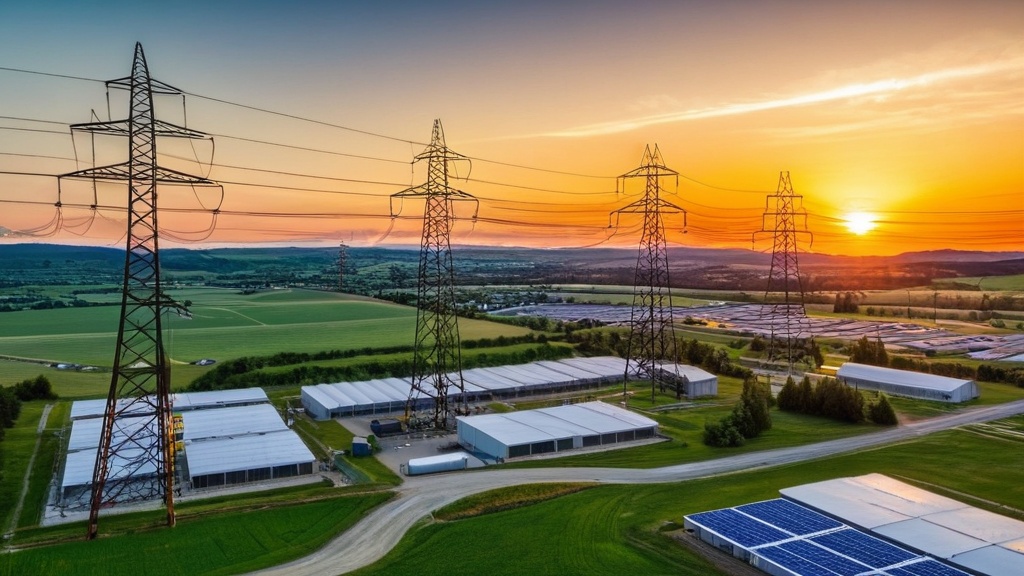
The food processing unit in Noida has faced a myriad of challenges concerning its electrical power system. One of the primary issues has been the frequent occurrence of voltage fluctuations, which can lead to equipment malfunctions and production delays. These fluctuations not only affect the performance of sensitive machinery but also pose risks to product quality and safety.
The inability to maintain stable voltage levels has resulted in increased maintenance costs and reduced operational efficiency. Another significant challenge is the high energy consumption associated with the facility’s operations. As production demands have grown, so too has the energy required to power machinery and equipment.
This has led to escalating electricity costs, which can significantly impact the unit’s profitability. Additionally, the facility has struggled with outdated electrical infrastructure that lacks the capacity to support modern energy-efficient technologies. This situation has created a pressing need for a comprehensive assessment of the electrical power system to identify inefficiencies and develop strategies for improvement.
Elion’s Approach to Electrical Power System Analysis
Elion’s approach to electrical power system analysis is characterized by a systematic methodology that combines data collection, simulation modeling, and real-time monitoring. The first step involves gathering detailed information about the existing electrical infrastructure, including load profiles, equipment specifications, and historical performance data. This data serves as the foundation for subsequent analyses and helps identify areas where improvements can be made.
Once the data is collected, Elion employs advanced simulation tools to model the electrical system under various operating conditions. This allows for a thorough examination of how different factors—such as load variations and voltage levels—affect overall system performance. By simulating potential scenarios, Elion can predict how changes in the electrical infrastructure might impact efficiency and reliability.
Furthermore, real-time monitoring systems are implemented to continuously track key performance indicators (KPIs), enabling proactive management of the electrical system.
Key Findings and Recommendations
| Parameter | Value | Unit | Remarks |
|---|---|---|---|
| Location | Noida | – | Site of Food Processing Unit |
| System Voltage | 11 | kV | Primary distribution voltage |
| Load Demand | 750 | kW | Peak electrical load |
| Power Factor Before Optimization | 0.82 | p.u. | Measured at main switchboard |
| Power Factor After Optimization | 0.95 | p.u. | Improved via capacitor bank installation |
| Energy Loss Reduction | 12 | % | Reduction in distribution losses |
| Voltage Stability | ±3 | % | Voltage variation maintained within limits |
| Harmonic Distortion | 4 | % THD | Within acceptable limits after filtering |
| System Reliability Improvement | 15 | % | Reduction in downtime and faults |
| Cost Savings | 10 | % | Annual operational cost reduction |
Through its comprehensive analysis of the food processing unit’s electrical power system, Elion identified several key findings that highlighted critical areas for improvement. One major finding was that voltage fluctuations were primarily caused by inadequate transformer capacity and poor load balancing across phases. This imbalance not only contributed to equipment stress but also increased energy losses within the system.
In response to these findings, Elion recommended several targeted interventions. First, upgrading transformers to higher-capacity models was suggested to ensure stable voltage levels across all operational phases. Additionally, implementing a load management strategy was proposed to optimize energy distribution throughout the facility.
This strategy would involve redistributing loads more evenly across phases to minimize fluctuations and enhance overall system stability. Furthermore, Elion advised investing in energy-efficient technologies such as variable frequency drives (VFDs) for motors, which could significantly reduce energy consumption while maintaining production efficiency.
Implementation of Recommendations
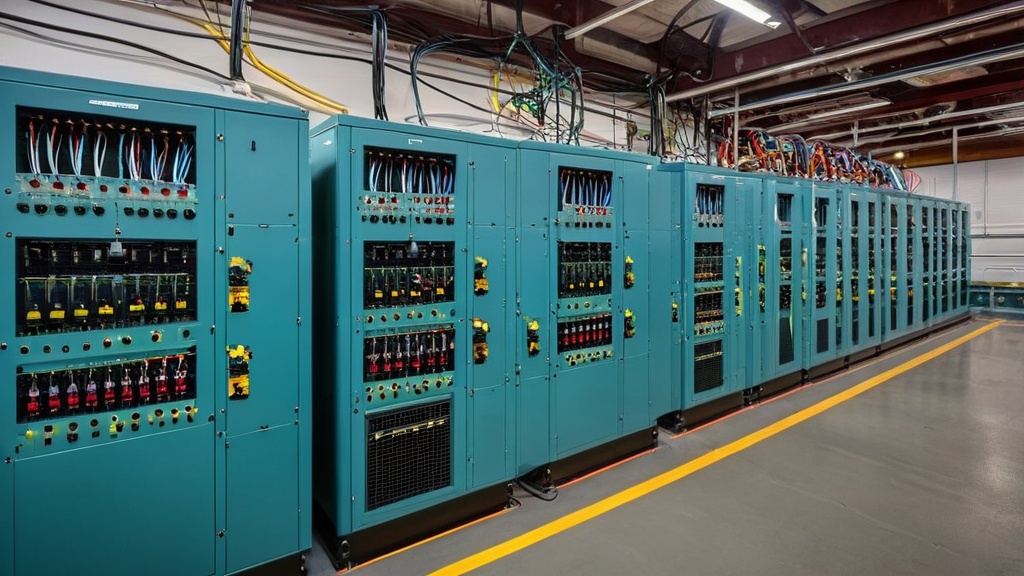
The implementation of Elion’s recommendations required careful planning and collaboration with the food processing unit’s management team. A phased approach was adopted to minimize disruptions during the upgrade process while ensuring that production schedules remained intact. The first phase involved conducting a detailed assessment of existing transformers and identifying suitable replacements that met both capacity and efficiency requirements.
Once new transformers were procured, installation was carried out during scheduled maintenance periods to avoid impacting production timelines. Simultaneously, Elion worked with the facility’s engineering team to develop a load management plan that included real-time monitoring systems capable of tracking energy consumption patterns across different phases. Training sessions were conducted for staff members to familiarize them with new technologies and operational protocols aimed at optimizing energy use.
Results and Impact on Performance
The results following the implementation of Elion’s recommendations were both immediate and significant. The upgraded transformers effectively stabilized voltage levels throughout the facility, leading to a marked reduction in equipment malfunctions and downtime. As a result, production efficiency improved considerably, allowing the food processing unit to meet increasing demand without compromising product quality.
Moreover, the load management strategy proved successful in balancing energy distribution across phases, further enhancing system reliability. The introduction of energy-efficient technologies such as VFDs contributed to a substantial decrease in overall energy consumption—by as much as 20%—which translated into significant cost savings on electricity bills. These improvements not only bolstered the unit’s profitability but also positioned it as a more sustainable operation within the competitive food processing industry.
Conclusion and Future Considerations
The collaboration between Elion and the food processing unit in Noida exemplifies how targeted electrical power system analysis can lead to transformative outcomes for industrial operations. By addressing critical challenges related to voltage stability and energy consumption, Elion enabled the facility to enhance its operational efficiency while reducing costs and environmental impact. Looking ahead, it is essential for the food processing unit to continue monitoring its electrical power system proactively.
Regular assessments will ensure that any emerging issues are identified early on and addressed promptly. Additionally, as technology continues to evolve, exploring further advancements in energy management systems could provide additional opportunities for optimization. Embracing innovations such as smart grid technologies or renewable energy integration may further enhance sustainability efforts while positioning the unit for long-term success in an increasingly competitive market landscape.
In addition to the recent analysis conducted by Elion on the electrical power system for a food processing unit in Noida, which aimed to optimize performance, another relevant project is the energy audit performed at a paint manufacturing unit in Nashik, Maharashtra. This case study highlights Elion’s expertise in identifying energy inefficiencies and implementing solutions to enhance operational efficiency. For more details, you can read about it in the article on the energy audit at the paint manufacturing unit here.
FAQs
What is electrical power system analysis?
Electrical power system analysis involves evaluating the performance, reliability, and efficiency of an electrical power system. It includes studying load flow, fault analysis, stability, and power quality to ensure optimal operation.
Who is Elion in the context of electrical power systems?
Elion is a company specializing in electrical engineering services, including power system analysis, design, and optimization for various industries such as food processing units.
Why is electrical power system analysis important for a food processing unit?
Food processing units rely heavily on continuous and stable electrical power for their operations. Power system analysis helps identify inefficiencies, prevent downtime, optimize energy consumption, and ensure safety and compliance with standards.
What specific services did Elion provide for the food processing unit in Noida?
Elion performed a comprehensive electrical power system analysis, which likely included load flow studies, fault analysis, power quality assessment, and recommendations to optimize the electrical system’s performance.
How does optimizing electrical power systems benefit a food processing unit?
Optimization leads to improved energy efficiency, reduced operational costs, enhanced equipment lifespan, minimized downtime, and compliance with safety regulations, all of which contribute to smoother production processes.
What tools or methods are used in electrical power system analysis?
Engineers use specialized software for load flow analysis, short circuit studies, harmonic analysis, and transient stability assessments. These tools help simulate and evaluate the electrical system under various conditions.
Is electrical power system analysis a one-time process or ongoing?
While initial analysis is critical during design or upgrades, ongoing monitoring and periodic analysis are recommended to maintain optimal performance and address any emerging issues promptly.
Can electrical power system analysis help in reducing energy consumption?
Yes, by identifying inefficiencies and recommending improvements such as load balancing, power factor correction, and equipment upgrades, power system analysis can significantly reduce energy consumption.
What challenges might a food processing unit face without proper electrical power system analysis?
Without proper analysis, the unit may experience frequent power outages, equipment failures, increased energy costs, safety hazards, and non-compliance with electrical standards.
Where is Noida, and why is it significant for industrial units?
Noida is a city in the northern Indian state of Uttar Pradesh, known for its industrial and manufacturing hubs, including food processing units, making it a strategic location for such services.