Electrical Testing
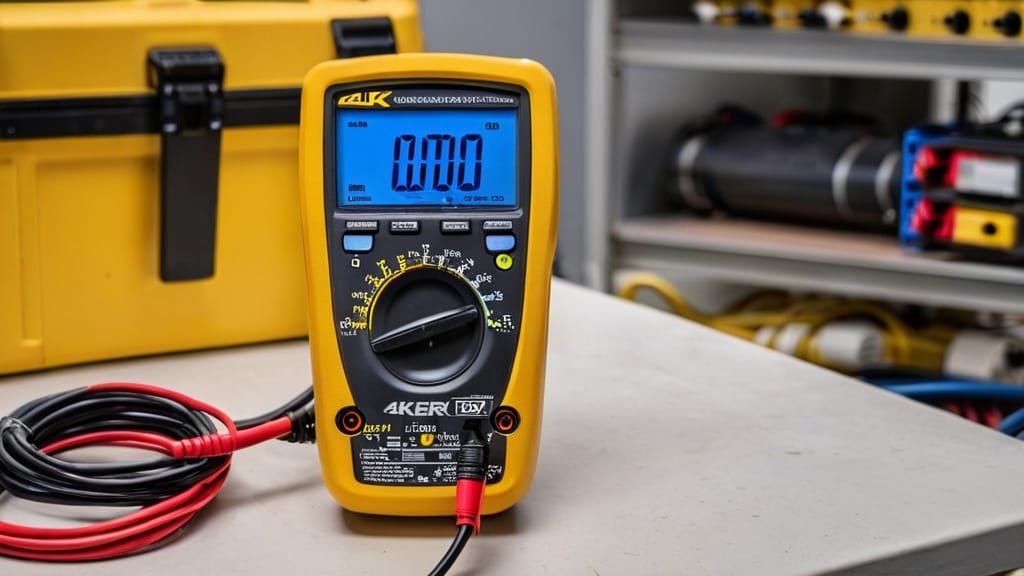
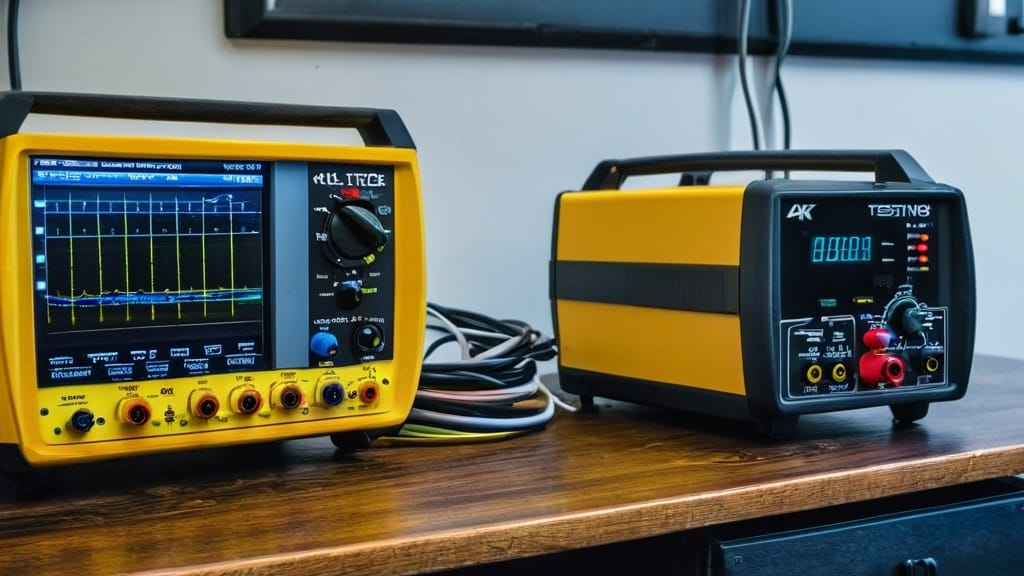
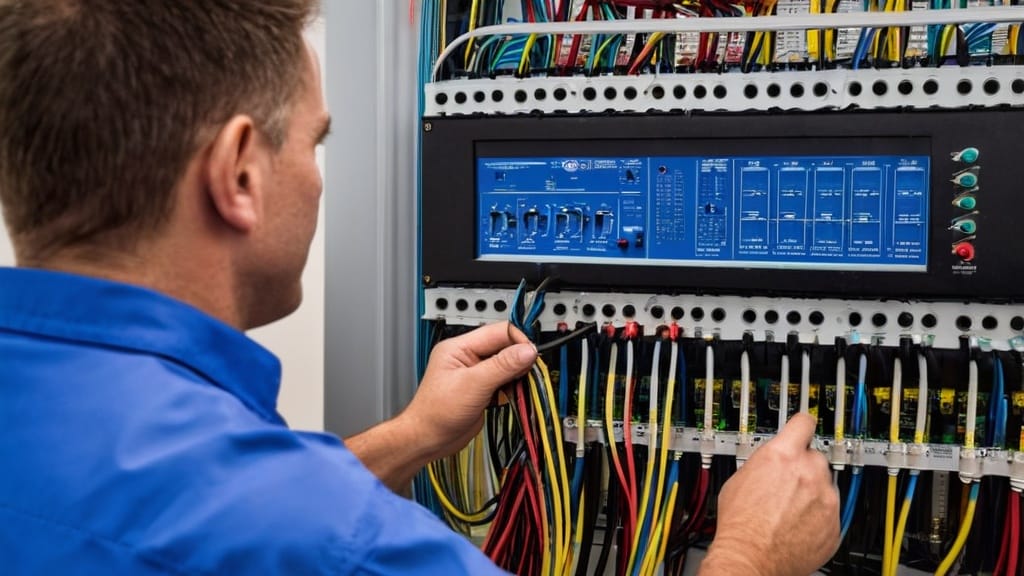
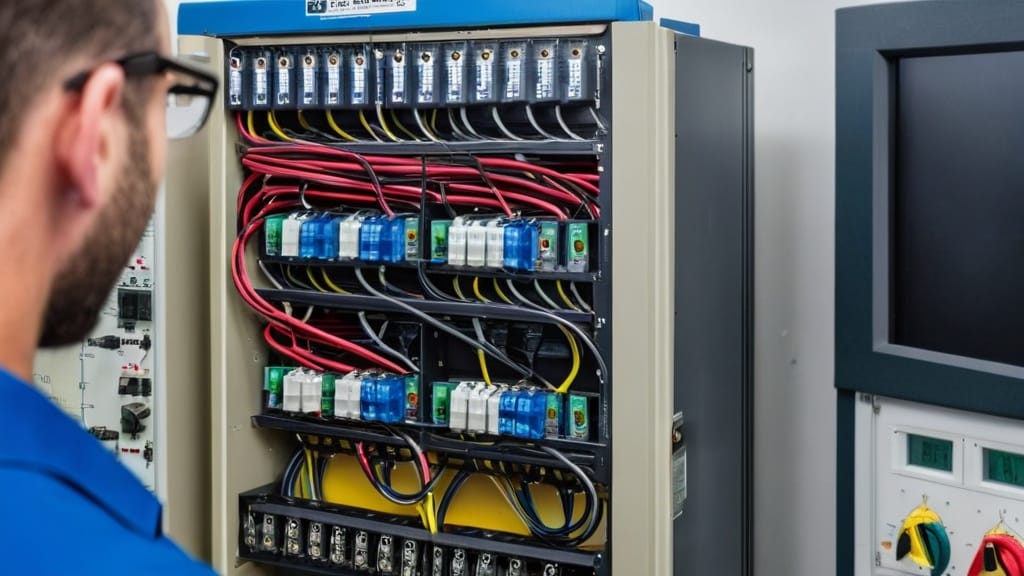
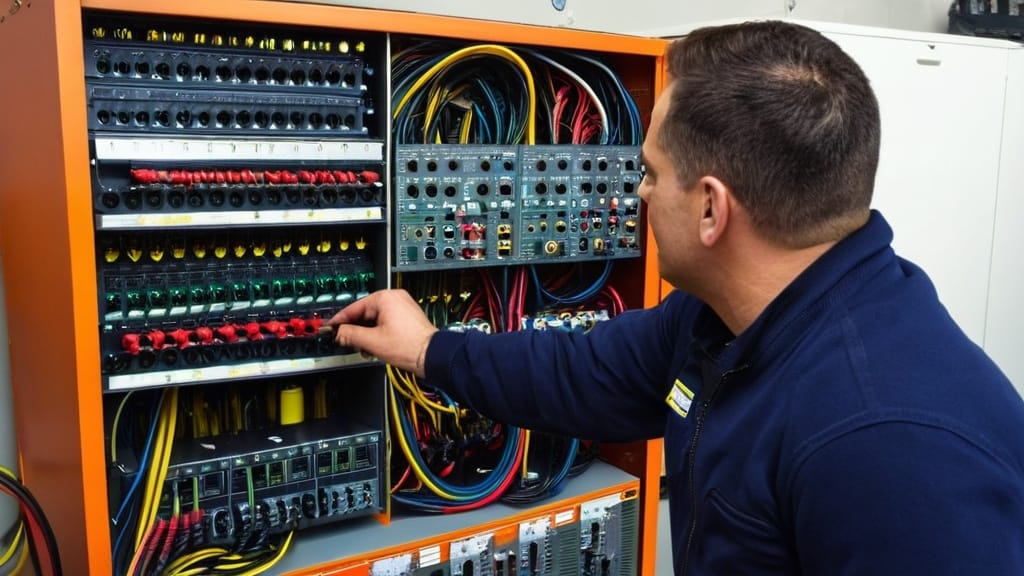
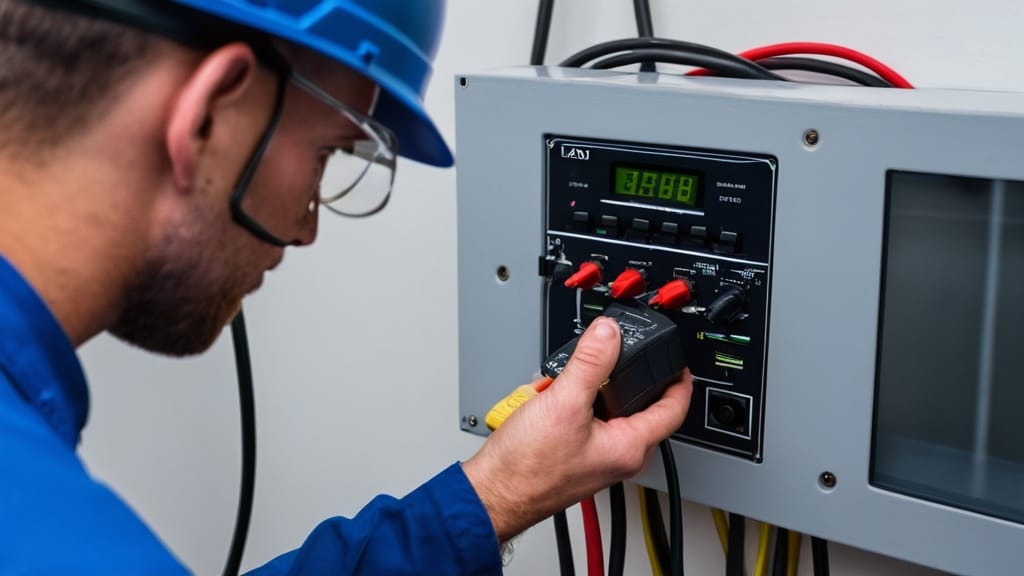
Electrical testing is the systematic application of instrument-based measurement, functional verification, and performance assessment techniques to electrical equipment, installations, and systems — confirming that they are safe to operate, performing within design parameters, and compliant with applicable standards and statutory requirements. It encompasses a broad spectrum of procedures, from insulation resistance measurement and earth continuity verification on individual equipment items to protection relay testing, high-voltage withstand testing, and power quality analysis across entire distribution systems.
In industrial and commercial facilities, electrical testing is not a one-time commissioning activity. Electrical equipment degrades over time through thermal cycling, mechanical stress, environmental exposure, and operational wear. Insulation deteriorates. Protective device calibration drifts. Contact resistance increases at switchgear terminations and busbar joints. Earth connections corrode and loosen. Without periodic, instrument-based electrical testing, these deterioration processes proceed invisibly — until they manifest as equipment failure, electrical fire, arc flash incident, or fatal electric shock.
Systematic electrical testing programmes detect these developing faults at a stage where corrective action is planned, controlled, and cost-effective — rather than reactive, disruptive, and potentially catastrophic. It is the engineering discipline that transforms electrical maintenance from a reactive function into a proactive risk management programme.
Why Electrical Testing Is Essential for Safety and Operational Reliability
The case for periodic electrical testing rests on both regulatory obligation and engineering logic. Electrical installations in Indian facilities are subject to statutory inspection and testing requirements under the CEA Electrical Safety Regulations — which place direct legal responsibility on owners and occupiers to maintain their installations in a safe condition and provide evidence of periodic testing and inspection to competent authority when required. Beyond statutory compliance, the operational consequences of untested electrical systems are well documented: unexpected equipment failures causing production downtime, electrical fires destroying assets and disrupting operations, and electrical incidents injuring or killing workers.
Independent electrical testing provides the objective, instrument-based evidence of installation condition that neither visual inspection nor operational experience can substitute. A switchgear panel that appears clean and functional may be harbouring insulation breakdown that only a Megger test will reveal. A protection relay that has never been functionally tested may fail to operate when a fault condition actually demands its response. An earth pit that was installed to specification may have deteriorated to a resistance level that no longer provides effective fault current dissipation — a condition that only a calibrated earth resistance measurement will confirm.
Applicable Standards and Regulatory Framework
Electrical testing in India is governed by a comprehensive framework of statutory regulations and technical standards, including:
- CEA (Measures Relating to Safety and Electric Supply) Regulations, 2010 — Establishing statutory obligations for electrical installation testing, inspection, and maintenance across India
- Electricity Act, 2003 — The overarching legislative framework establishing safety obligations for electrical installation owners and operators
- IS 732 — Indian Standard Code of Practice for Electrical Wiring Installations, specifying testing requirements for completed wiring systems
- IS 3043 — Indian Standard Code of Practice for Earthing, defining earth resistance testing methodology and acceptable limits
- IS 13947 series — Indian Standards for low-voltage switchgear and controlgear, specifying type and routine test requirements
- IEC 60364-6 — International standard for verification of electrical installations, defining inspection and testing requirements
- IEC 60255 series — Standards for measuring relays and protection equipment, specifying performance and testing requirements
- IEC 60947 series — Standards for low-voltage switchgear and controlgear testing
- IEEE C57 series — Standards for transformer testing and performance assessment
- IS 2026 series — Indian Standards for power transformers, including testing requirements
- NFPA 70B — Recommended Practice for Electrical Equipment Maintenance, providing testing frequency and methodology guidance
- Factories Act, 1948 — Requiring safe electrical installations and systematic maintenance of electrical equipment
- OISD Standards — Governing electrical equipment testing requirements in petroleum sector facilities
- NBC 2016, Part 8 — Electrical installation requirements including testing and inspection provisions for buildings
For facilities operating under multiple regulatory frameworks — refineries under OISD, pharmaceutical plants under GMP, hospitals under clinical facility standards — electrical testing programmes must be designed to satisfy the most demanding applicable requirements across all relevant frameworks simultaneously.
Industries Where Electrical Testing Is Relevant
Electrical testing is relevant to every category of facility that operates electrical infrastructure — but the scope, frequency, and technical complexity of testing programmes vary substantially by industry. Manufacturing plants with large motor fleets, complex protection systems, and high-voltage distribution networks require comprehensive testing programmes covering every equipment category. Refineries and chemical plants add the requirement for explosion-protected equipment testing and hazardous area installation verification to an already demanding electrical testing scope. Hospitals require testing programmes with specific focus on life-safety system integrity, patient area equipotential bonding, and medical-grade power supply reliability. Data centres demand testing of UPS systems, static transfer switches, and power distribution units alongside conventional distribution equipment. Banks and financial institutions require electrical testing across branch networks, ATM power systems, and data processing centre electrical infrastructure.
The Role of Independent Engineering Assessment
Independent electrical testing provides facility operators and safety managers with objective, instrument-based assessment results that are free from the operational pressures, equipment familiarity bias, and commercial interests that can compromise the rigour of internally conducted testing programmes. Elion’s electrical engineers conduct testing programmes using calibrated instruments and structured methodologies — delivering test records that are technically defensible, standards-aligned, and structured for regulatory submission and maintenance programme integration.
Articles, Case Studies, and Technical Resources on Electrical Testing
This category is a dedicated knowledge hub for electrical engineers, maintenance managers, HSE professionals, facility operators, and compliance officers seeking technically authoritative information on electrical equipment testing, installation verification, and electrical safety assessment methodology.
Resources published here include:
- Real project case studies from electrical testing engagements conducted at Indian industrial, commercial, banking, and infrastructure facilities, documenting test findings, equipment deficiencies identified, and corrective actions recommended
- Technical articles on specific electrical testing procedures, instrumentation selection, test sequencing, and result interpretation
- Industry best practices for periodic electrical testing programme design, test frequency determination, and integration of testing findings into maintenance and capital planning processes
- Safety guidelines for conducting electrical testing safely — including safe isolation procedures, testing on energised systems, and personal protective equipment requirements for test personnel
- Engineering methodology explainers covering individual test types — insulation resistance testing, high-voltage withstand testing, protection relay testing, earth resistance measurement, thermographic survey, power quality analysis, and contact resistance measurement
- Compliance references linking electrical testing requirements to CEA regulations, IS standards, IEC codes, and sector-specific regulatory frameworks
- Risk assessment insights covering the safety, operational, and legal consequences of inadequate or deferred electrical testing programmes across different facility and equipment categories
Whether you are designing a periodic electrical testing programme, selecting test methods for specific equipment types, preparing for a CEA regulatory inspection, or investigating the cause of an electrical equipment failure, the technical resources in this category provide the engineering depth and regulatory grounding needed to manage electrical testing with the rigour that safety and compliance demand.
Professional Electrical Testing Services by Elion
Elion Technologies & Consulting Pvt. Ltd. delivers independent electrical testing services for industrial, commercial, banking, healthcare, and infrastructure facilities across India. Our qualified electrical engineers conduct comprehensive testing programmes covering insulation resistance testing, earth resistance measurement, protection relay functional testing, high-voltage withstand testing, contact resistance measurement, thermographic survey, power quality analysis, transformer oil testing, UPS and battery system testing, and generator set performance assessment — producing detailed test reports with instrument readings, standard compliance assessment, and prioritised corrective action recommendations.
To understand our testing methodology, scope of services, and how an independent electrical testing programme can support your facility’s safety compliance, equipment reliability, and maintenance management objectives, visit our dedicated service page:
👉 Electrical Testing Services by Elion
Industries Where Electrical Testing Is Critical
- Manufacturing plants — automotive, engineering, textile, and process industries
- Oil, gas, and petrochemical refineries, terminals, and storage facilities
- Chemical and specialty chemical manufacturing plants
- Pharmaceutical and biotech manufacturing facilities
- Steel, cement, and primary metals processing industries
- Data centres and mission-critical IT infrastructure facilities
- Hospitals, operation theatres, and large healthcare institutions
- Banks, financial institutions, and currency handling facilities
- Hotels, resorts, and large hospitality establishments
- Power generation plants and electrical substation installations
- Warehouses and large-scale logistics and distribution centres
- Airports, metro rail systems, and transport infrastructure
- Educational institutions and large campus facilities
- Commercial high-rise buildings and corporate campuses
- Mining and mineral processing operations
Technical Topics Covered in This Knowledge Hub
Articles and case studies in this category address the complete technical landscape of electrical testing, equipment assessment, and installation verification, including:
- Insulation resistance testing — Megger testing methodology, polarisation index measurement, and dielectric absorption ratio interpretation
- High-voltage withstand testing — AC and DC hipot test procedures, equipment preparation, and pass or fail criteria
- Earth resistance measurement — fall-of-potential, clamp-on, and stakeless testing methods and IS 3043 compliance assessment
- Protection relay testing — functional trip testing, characteristic curve verification, and timing measurement
- Contact resistance measurement — micro-ohmmeter testing of switchgear contacts, busbar joints, and cable terminations
- Thermographic survey of electrical equipment — hotspot identification, severity classification, and remediation prioritisation
- Power quality analysis — harmonic distortion measurement, voltage unbalance assessment, and power factor evaluation
- Transformer testing — turns ratio testing, winding resistance measurement, insulation resistance, and oil dielectric strength analysis
- Circuit breaker testing — timing measurement, contact resistance, minimum operating voltage, and mechanical condition assessment
- Motor insulation and winding resistance testing — condition assessment and predictive maintenance application
- UPS system testing — battery capacity verification, transfer time measurement, and inverter performance assessment
- Generator set testing — load bank testing, automatic transfer switch verification, and governor response assessment
- Cable testing — insulation resistance, high-voltage withstand, and time domain reflectometry for fault location
- Switchgear panel testing — busbar insulation, inter-phase clearance verification, and protective device coordination assessment
- Residual current device and earth leakage relay testing — sensitivity and trip time verification
- Power factor correction capacitor bank testing — capacitance measurement and harmonic filter performance assessment
- Pre-commissioning electrical testing — verification sequence for new and refurbished installations
- Periodic testing programme design — equipment prioritisation, frequency determination, and resource planning
- Testing in hazardous areas — procedures and precautions for electrical testing in explosive atmosphere zones
- Electrical testing documentation — test record formats, calibration traceability, and regulatory submission requirements
- Common electrical test failures and equipment deficiencies identified during Indian facility assessments
- Condition-based maintenance integration — using electrical test data to drive predictive maintenance decisions
Elion’s Engineering Authority in Electrical Testing
Since 2010, Elion Technologies & Consulting Pvt. Ltd. has established itself as one of India’s most experienced independent engineering audit and electrical safety compliance consultancies. With over 30,000 audits and testing engagements completed across manufacturing, banking, hospitality, refinery, pharmaceutical, healthcare, and infrastructure sectors, Elion has conducted electrical testing on installations of every type, complexity, and voltage level — from low-voltage wiring systems in commercial buildings to high-voltage switchgear and protection systems in industrial and power sector facilities. This scale of field experience underpins the technical rigour, methodological consistency, and engineering judgement that Elion brings to every electrical testing engagement.
Our electrical testing teams comprise qualified electrical engineers with specialist expertise in CEA regulatory requirements, IS and IEC testing standards, NFPA 70B maintenance practice guidelines, and sector-specific requirements including OISD, GMP, and hospital electrical safety frameworks. Operating with a comprehensive suite of calibrated test instrumentation — insulation resistance testers, high-voltage test sets, earth resistance meters, protection relay test equipment, thermal imaging cameras, power quality analysers, contact resistance micro-ohmmeters, and transformer test instruments — Elion’s engineers deliver testing programmes that are technically comprehensive, instrument-based, and entirely independent of equipment manufacturers, electrical contractors, and maintenance service providers.
Every electrical test report produced by Elion is structured to serve as a technically defensible document for CEA regulatory inspections, statutory compliance submissions, insurance assessments, condition-based maintenance programmes, and capital planning decisions — giving electrical engineers, facility managers, and safety professionals the objective, instrument-based equipment condition data required to manage electrical infrastructure safely, reliably, and in full compliance with India’s electrical safety statutory framework.