Elion Technologies
And Consulting Private Limited
Elion Technologies
And Consulting Private Limited

Elion Technologies
And Consulting Private Limited
And Consulting Private Limited
And Consulting Private Limited
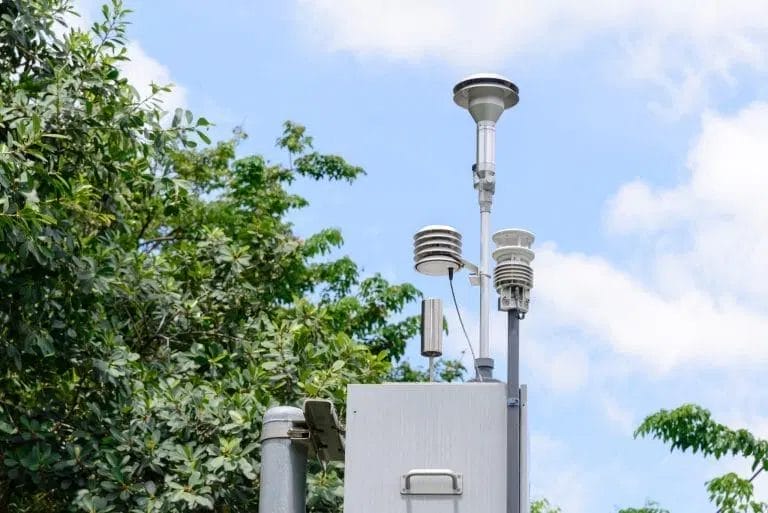
Air quality analysis is a systematic engineering and occupational hygiene assessment that measures, evaluates, and documents the concentration of airborne contaminants within industrial, commercial, and infrastructure environments. It encompasses the sampling, testing, and interpretation of particulate matter, gaseous pollutants, volatile organic compounds (VOCs), biological aerosols, and other airborne hazards that may pose risks to human health, regulatory compliance, or operational integrity.
In industrial facilities, the quality of workplace air is not a passive condition — it is an active safety parameter that must be monitored, managed, and documented. Workers exposed to elevated concentrations of dust, fumes, chemical vapours, or biological contaminants face both acute and chronic health consequences. Facilities that fail to assess and control airborne hazards face regulatory penalties, increased occupational illness claims, and the reputational and legal consequences of preventable workplace health incidents.
Why Air Quality Analysis Is Critical for Workplace Safety and Compliance
The relationship between air quality and occupational health outcomes is well-established and extensively regulated. Chronic exposure to respirable dust, silica, metal fumes, solvent vapours, and combustion by-products is linked to serious conditions including occupational lung disease, chemical sensitisation, neurological impairment, and carcinogenic risk. In enclosed or poorly ventilated environments, even short-duration exposure to certain contaminants can produce acute health effects.
Beyond the direct health impact on workers, poor indoor and industrial air quality has measurable effects on productivity, equipment reliability, and facility operations. Particulate contamination in precision manufacturing environments, data centres, and pharmaceutical clean rooms can compromise product quality and process integrity alongside personnel health.
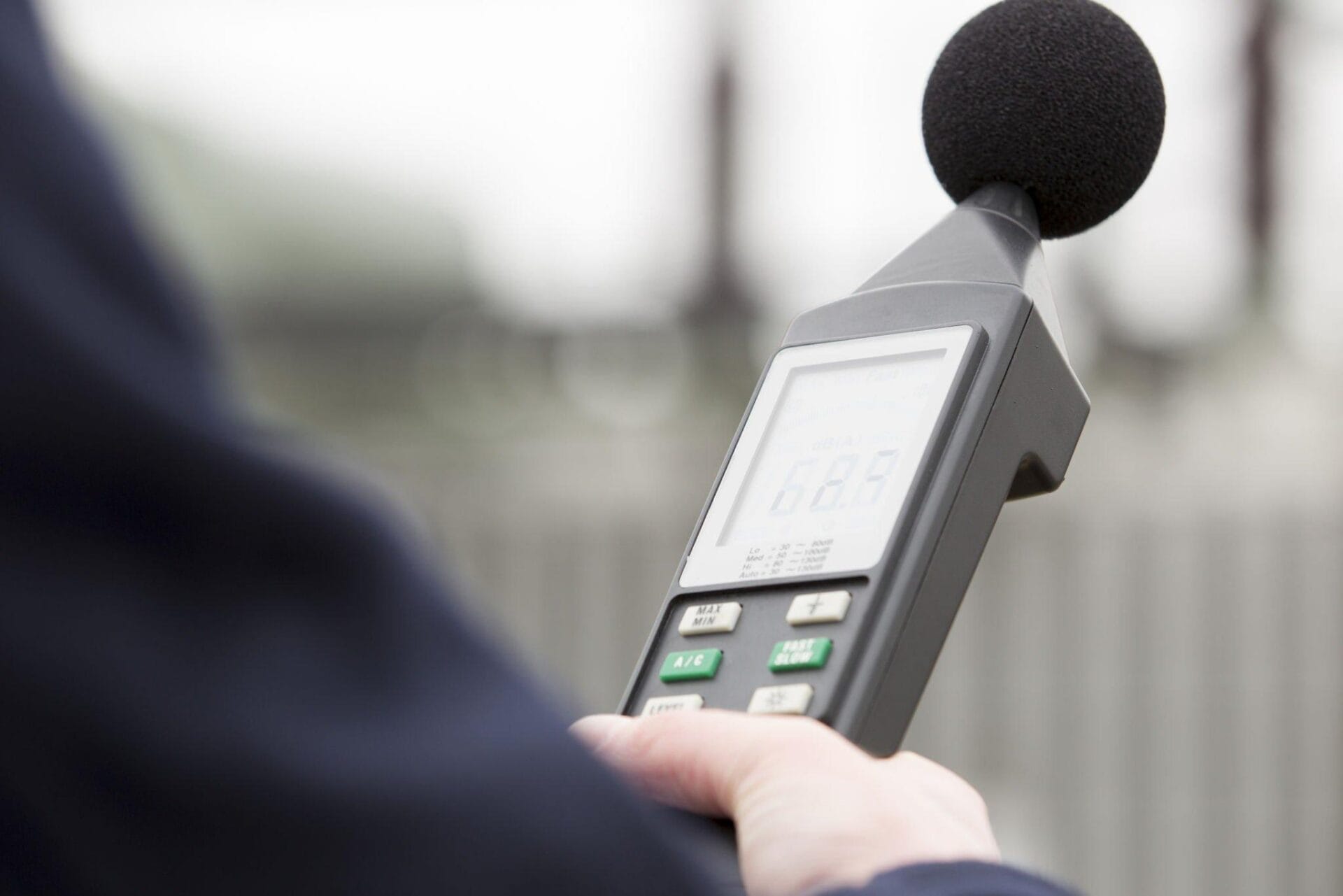
A professional air quality analysis provides facility operators and safety managers with quantified, instrument-based data on airborne contaminant levels — referenced against occupational exposure limits (OELs) and regulatory thresholds — enabling informed, defensible decisions on ventilation design, engineering controls, and personal protective equipment requirements.
Applicable Standards and Regulatory Framework
Air quality assessment in Indian workplaces and facilities is governed by a comprehensive framework of statutory and technical standards, including:
Compliance with these standards is a statutory obligation for industrial facilities, a design requirement for commercial buildings, and an increasingly scrutinised aspect of ESG and occupational health reporting frameworks.
Industries Where Air Quality Analysis Is Relevant
Air quality concerns span a vast range of industrial and commercial environments. Manufacturing plants generating metal fumes, welding emissions, and process dust require regular workplace air monitoring. Pharmaceutical facilities must maintain validated clean room environments meeting stringent particulate and microbiological standards. Construction sites generate silica dust and other respirable hazards requiring continuous assessment. Refineries, chemical plants, and paint shops produce solvent vapours and toxic gas emissions demanding rigorous monitoring. Commercial offices, hotels, hospitals, and educational institutions are increasingly subject to indoor air quality assessment as part of occupant health and green building certification requirements.
The Role of Independent Engineering Assessment
An independent air quality analysis provides something that routine facility management cannot — objective, instrument-based measurement conducted by qualified professionals with no operational interest in the outcome. Elion’s assessments follow structured sampling protocols, use calibrated analytical instruments, and reference findings against applicable exposure limits and regulatory thresholds — producing reports that are technically defensible for regulatory inspections, insurance evaluations, and occupational health management.
This category is a dedicated knowledge hub for occupational hygienists, environmental health and safety professionals, facility managers, plant engineers, and compliance officers seeking technically grounded information on air quality assessment, monitoring, and control.
Resources published here include:
Whether you are establishing a workplace air monitoring programme, responding to a regulatory requirement, investigating a health concern, or pursuing green building certification, the technical resources in this category provide the engineering and regulatory depth needed to act with confidence.
Elion Technologies & Consulting Pvt. Ltd. delivers independent air quality analysis services for industrial, commercial, healthcare, and infrastructure facilities across India. Our environmental and occupational hygiene engineering teams conduct comprehensive assessments covering workplace exposure monitoring, area air sampling, ventilation system evaluation, contaminant source identification, and regulatory compliance review — producing detailed technical reports with findings referenced against applicable standards and prioritised recommendations for corrective action.
To understand our assessment methodology, scope of services, and how a professional air quality analysis can support your facility’s occupational health, regulatory compliance, and environmental management objectives, visit our dedicated service page:
👉 Air Quality Analysis Services by Elion
Articles and case studies in this category address the full scope of air quality analysis and airborne hazard management in industrial and commercial environments, including:
Since 2010, Elion Technologies & Consulting Pvt. Ltd. has established itself as one of India’s most experienced independent engineering audit and safety compliance consultancies. With over 30,000 audits completed across manufacturing, banking, hospitality, refinery, pharmaceutical, and infrastructure sectors, Elion brings a breadth of cross-industry field experience that underpins the technical rigour of every air quality assessment it conducts.
Our air quality analysis engagements are executed by qualified environmental and occupational hygiene engineers using calibrated sampling instruments and accredited analytical methods, with findings referenced against IS, CPCB, ACGIH, and applicable statutory occupational exposure frameworks. As a fully independent consultancy with no affiliation to ventilation equipment suppliers, construction contractors, or facility management providers, Elion delivers assessments that are technically objective, commercially unbiased, and entirely focused on the health, safety, and compliance outcomes of the client facility.
Every air quality report produced by Elion is structured to function as a technically defensible document for regulatory inspections, occupational health audits, insurance assessments, ESG reporting, and management decision-making — giving safety managers, plant engineers, and facility operators the measurement data and engineering analysis required to manage airborne workplace hazards with confidence and accountability.