
Introduction
This case study works best when it is written as a measured water-balance exercise rather than a general sustainability article. A water audit at a railway station should identify all incoming sources, storage points, major consumption zones, fixture demand, wastewater generation, reuse opportunities, and visible or suspected losses. For a site such as Bareilly Railway Station, the value lies in mapping where water enters the system, where it is consumed, where it is discharged, and where measurement gaps make waste harder to control. The final article should therefore explain the audit method, the data reviewed, the major observations, and the practical recommendations without overstating savings that have not been validated.
In an era marked by growing concerns about water scarcity and sustainability, managing water resources efficiently has become paramount. Elion Technologies and Consulting Private Limited recently undertook an extensive water audit at Bareilly Railway Station in Uttar Pradesh, India. This case study spotlights the audit’s findings, emphasizing the significance of gauging water consumption, curtailing wastage, and the calculation of Sewage Treatment Plant (STP) value to alleviate water stress.
“In large and complex water systems, a meaningful share of water can be lost or remain unaccounted for unless metering and reconciliation are in place.”
A water audit maps water inflow, use, losses, discharge, and reuse opportunities so large facilities can improve efficiency with evidence instead of assumptions. At public sites like stations and campuses, that makes both utility control and sustainability planning stronger. Learn more below.
Decoding Water Stress
Water stress is a condition where the demand for fresh water surpasses the available supply, leading to potential scarcity and its various repercussions. Even bustling transportation hubs like railway stations are not immune to the urgency of managing water resources wisely.
Audit Scope
The water audit executed at Bareilly Railway Station encompassed a holistic evaluation of these core aspects:
- Water Consumption: Analyzing the station’s water consumption patterns, spanning from potable water for drinking to non-potable water used for diverse operational needs.
- Water Wastage: Identification of water wastage sources, such as leaks, inefficient water fixtures, and unproductive practices.
- Calculation of STP Value: Assessing the functionality and efficiency of the STP, emphasizing the monetary and environmental value it offers.
Audit Methodology
Our team of seasoned water auditors meticulously examined Bareilly Railway Station, employing the following steps in the audit process:
- Data Gathering: Collating historical data on water consumption, utility bills, and STP performance.
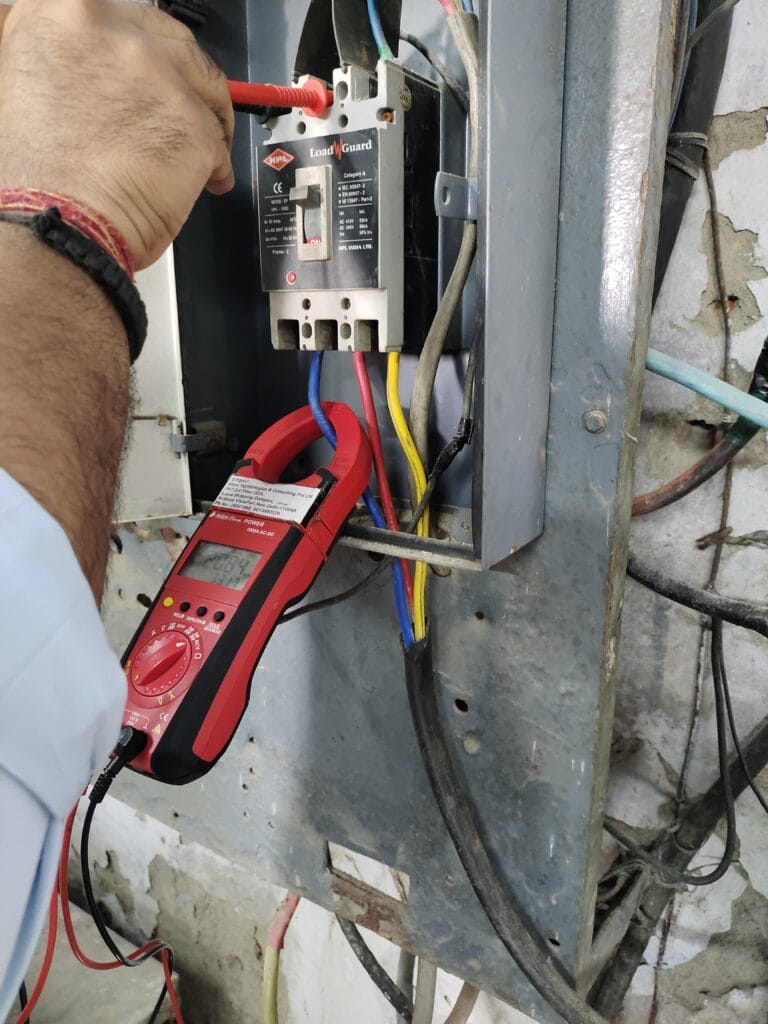
- Visual Inspection: A rigorous assessment of water fixtures and infrastructure to pinpoint leaks, inefficiencies, and areas in need of improvement.
- Efficiency Testing: Evaluating water fixtures and systems to determine their efficiency and conformity with water-saving standards.
- Calculation of STP Value: A comprehensive assessment of the STP’s capacity, treatment efficiency, and the associated financial and environmental benefits.
Audit Findings and Recommendations
The water audit conducted by Elion Technologies and Consulting Private Limited unearthed significant findings and offered actionable recommendations for alleviating water stress:
- Water Consumption Reduction: Installing water-saving fixtures, initiating staff training on responsible water usage, and encouraging passengers to conserve water can significantly diminish consumption.
- Leak Detection and Repair: Promptly identifying and repairing leaks is crucial in curtailing water wastage.
- Calculation of STP Value: Understanding the monetary and environmental benefits of the STP aids in appreciating its role in water management and sustainability.
- Regular Maintenance: Establishing a preventive maintenance plan for water infrastructure extends its lifespan and enhances efficiency.
“‘Fixture efficiency matters because repeated small losses across high-footfall facilities add up quickly over time.”
What Was the Objective of the Water Audit at Bareilly Railway Station?
The primary objective of the water audit at Bareilly Railway Station was to analyze water consumption, identify wastage, and evaluate opportunities for efficiency improvement. The audit aimed to create a clear understanding of how water was being used across different activities, including drinking, sanitation, and operational requirements.
A key focus area was assessing water stress and ensuring sustainable usage in a high-footfall public facility. The audit also evaluated the performance and value of the Sewage Treatment Plant (STP), both from environmental and cost perspectives. By identifying inefficiencies and quantifying water usage, the audit provided a foundation for reducing wastage and improving overall water management at the station.
How Was Water Use Mapped and Measured?
Water use at the station was mapped by studying consumption patterns across multiple sources and applications. This included potable water usage, non-potable applications, and operational consumption across different zones of the facility.
The audit team conducted on-site inspections and analyzed flow points to understand where and how water was being used. Measurement involved tracking supply, usage distribution, and discharge levels to build a complete water balance. Special attention was given to identifying discrepancies between supply and actual utilization.
This systematic mapping approach ensured that all areas—from passenger facilities to maintenance operations—were covered. It enabled auditors to pinpoint inefficiencies and quantify water losses, forming the basis for actionable recommendations.
Where Do Large Public Facilities Usually Lose Water?
Large public facilities like railway stations typically lose water through leakages, inefficient fixtures, and poor operational practices. Continuous usage and high footfall often lead to unnoticed leaks in pipelines, taps, and storage systems.
Another major source of loss is outdated or poorly maintained fixtures that consume more water than necessary. Inadequate monitoring and lack of control systems further contribute to wastage. Behavioral factors—such as excessive use or unattended water flow—also play a role.
Additionally, improper reuse systems and inefficient sewage treatment processes can lead to loss of recoverable water. Identifying these hidden losses is critical, as even small inefficiencies can result in significant water wastage when scaled across large facilities.
What Did the Audit Reveal About Reuse, Sewage, and Efficiency Opportunities?
The audit highlighted the importance of optimizing sewage treatment and improving water reuse practices. A key finding was the potential value of the Sewage Treatment Plant (STP), both in terms of reducing fresh water demand and improving sustainability.
It revealed opportunities to reuse treated water for non-potable applications such as cleaning and landscaping. The audit also identified areas where efficiency could be improved by reducing wastage and optimizing system performance.
By quantifying the environmental and financial benefits of reuse, the audit emphasized the role of circular water management. These insights help facilities transition from high consumption models to more sustainable and efficient water usage practices.
What Should a Railway Station Water Audit Report Contain?
A railway station water audit report should provide a comprehensive and structured analysis of water usage and efficiency opportunities. It typically includes an overview of consumption patterns, water sources, and distribution across the facility.
The report should highlight areas of water wastage, supported by observations and data. It must also include an assessment of systems such as pipelines, fixtures, and sewage treatment plants.
A critical section is the list of recommendations, including water-saving measures, reuse opportunities, and system improvements. Financial and environmental benefits should also be outlined to support decision-making.
Finally, the report should include an implementation roadmap to guide the station in improving water efficiency and sustainability.
Why Do Station and Campus Operators Benefit from Periodic Water Audits?
Periodic water audits help station and campus operators maintain control over consumption, reduce costs, and improve sustainability. Regular assessments ensure that leaks, inefficiencies, and system failures are identified early before they escalate into major losses.
They also support better planning by providing accurate data on water usage trends and future requirements. For large facilities with continuous operations, this is essential for resource optimization.
Additionally, audits help operators comply with environmental regulations and demonstrate responsible water management. Over time, periodic audits create a culture of efficiency and accountability, ensuring that water resources are used wisely and sustainably across the facility.
“‘Reusing treated wastewater for suitable non-potable applications can reduce freshwater dependence when quality control and system segregation are properly managed.”
Conclusion
Bareilly Railway Station, supported by the Indian Railways, is taking proactive steps to address water stress through a comprehensive water audit. By acting upon the recommendations provided, the station aims to curtail water consumption, minimize wastage, and recognize the true value of its sewage treatment plant.
In an age where water stress is a looming concern, water audits play a pivotal role in responsible water resource management. They not only contribute to water conservation but also result in cost savings for the railway station.
Elion Technologies and Consulting Private Limited is steadfast in making water audits the cornerstone of sustainability endeavors. For inquiries or similar services, please feel free to contact us.
Remember, responsible water management is not only an environmental necessity but also a shrewd financial decision. Together, we can combat water stress and forge a sustainable future.
Frequently Asked Questions (FAQs)
1. What does a water audit at a railway station usually include?
A water audit at a railway station includes source mapping, inflow analysis, storage and pumping system checks, fixture inventory, major water-use zones, wastewater generation, leakage indicators, metering status, and reuse opportunities. The aim is to create a water balance and identify areas of loss or inefficiency.
2. Why is a water balance important in a public-facility audit?
A water balance helps compare total water inflow with consumption, storage, discharge, reuse, and losses. Without this structured approach, it becomes difficult to identify inefficiencies, leading to guesswork in water-saving decisions.
3. Can a water audit improve both cost control and sustainability?
Yes, reducing water wastage lowers operational costs related to water supply, pumping, and treatment. At the same time, improved reuse strategies reduce dependence on freshwater sources, supporting long-term sustainability.
4. What kinds of problems do water audits commonly find?
Common issues include lack of proper metering, inaccurate consumption estimates, leaking fixtures, tank overflows, excessive flushing demand, poor monitoring of treated wastewater reuse, and weak separation between potable and non-potable water systems.
5. What should be shown in a water-audit case study to make it credible?
A credible case study should include details of the site, audit scope, data period, methodology, measured or estimated flows, key observations, and practical recommendations. It should clearly distinguish between actual findings and general industry practices.