
Introduction
An electrical safety audit at a bus charging depot should focus on how high-load charging infrastructure behaves in real operating conditions. That includes incoming supply arrangements, transformer or panel interfaces where relevant, charger distribution boards, cable routing, terminations, earthing continuity, surge and lightning protection, breaker selection, enclosure integrity, clearances, signage, and operating controls. Charging depots are different from normal commercial sites because they combine repetitive high electrical load with outdoor exposure, moving vehicles, maintenance activity, and possible future capacity growth. A case-study article should therefore explain what was inspected, what risks were considered, and what corrective priorities were identified.
In today’s world, ensuring the safety of electrical equipment and systems is paramount, especially in places where high-powered electrical chargers and lighting arrestors are in use. This case study delves into the comprehensive electrical audit carried out by Elion Technologies and Consulting Private Limited at the Bus Charging Depot in Moradabad, Uttar Pradesh, India. The focus of our audit was to assess the safety of electrical equipment, chargers, lighting arrestors, and earthing systems, highlighting the role of a safety auditor in maintaining electrical safety.
“‘As electric mobility expands, charging depots are becoming higher-load electrical environments that need formal safety review.”
An electrical safety audit for a bus charging depot checks whether chargers, panels, cables, earthing, and protection systems are safe under real operating conditions. That is especially important where loads are high, exposure is outdoors, and expansion is likely. Learn more below.
The Importance of Electrical Safety
Electrical safety is a critical concern, not just for the efficiency of operations but also for the protection of lives and property. Electrical accidents can lead to catastrophic consequences, making it essential for facilities like the Moradabad Bus Charging Depot to undergo regular safety audits. These audits are an integral part of risk management and compliance with safety standards.
Scope of the Audit
The scope of the audit included a comprehensive assessment of the following:
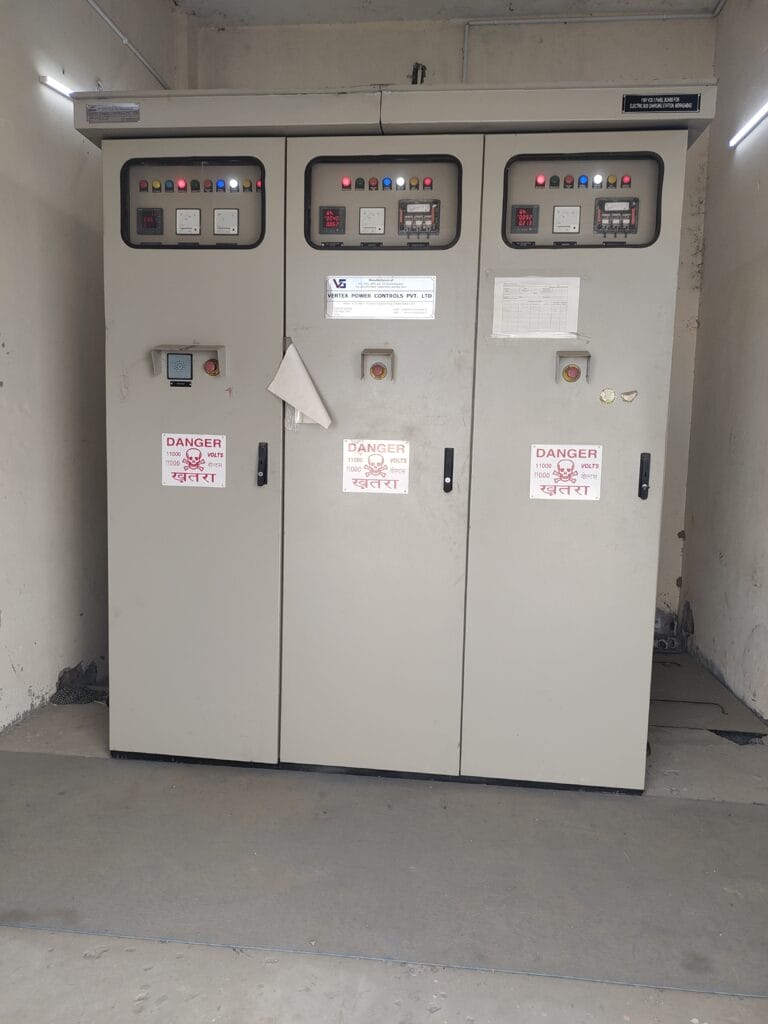
- Electrical Equipment: Evaluation of the condition, operational efficiency, and safety of all electrical equipment, including charging stations, transformers, switchgear, and distribution boards.
- Chargers: Assessment of the charging systems, their wiring, grounding, and compliance with safety standards.
- Lighting Arrestors: Examination of the lightning protection system to safeguard against electrical surges.
- Earthing Systems: Inspection of the grounding systems to ensure effective fault current dispersion.
Audit Process
Our team, comprised of experienced electrical safety auditors, conducted a thorough examination of the Moradabad Bus Charging Depot. The audit involved the following steps:
- Visual Inspection: A visual inspection of all electrical equipment to identify visible signs of wear, damage, or potential hazards.
- Functional Testing: Operational testing of charging equipment to ensure they function properly without any undue heating, sparking, or other anomalies.
- Electrical Measurements: Voltage, current, and resistance measurements were taken at various points in the electrical system to verify that they fell within acceptable limits.
- Safety Standards Compliance: A review of the charging depot’s safety procedures and equipment to ensure compliance with Indian and international electrical safety standards.
Audit Findings and Recommendations
Elion Technologies and Consulting Private Limited identified several issues during the audit, which required immediate attention to enhance electrical safety:
- Earthing System Enhancement: The grounding system needed improvement to reduce ground resistance and ensure efficient fault current dissipation.
- Lightning Arrestor Maintenance: The lightning arrestor system required routine maintenance to ensure it could effectively protect against electrical surges.
- Charger Wiring and Labeling: Some chargers had loose or exposed wiring, posing a potential hazard. Proper labeling and color-coding of cables were recommended for safety.
- Equipment Maintenance Plan: The depot was advised to establish a comprehensive maintenance plan for all electrical equipment to ensure ongoing safety and functionality.
“‘Many electrical incidents arise from correctable issues such as poor connections, inadequate maintenance, or incomplete protection review.”
Why Does a Bus Charging Depot Need an Electrical Safety Audit?
A bus charging depot handles high electrical loads, continuous operations, and critical charging infrastructure, making safety audits essential. Unlike conventional facilities, EV depots involve high-capacity chargers, transformers, and power distribution systems that operate under fluctuating loads.
An electrical safety audit helps identify risks such as overheating, insulation failure, improper earthing, and system overloads. It ensures that all systems are functioning safely and in compliance with standards. More importantly, it prevents failures that could lead to equipment damage, fire hazards, or operational downtime. Regular audits act as a preventive measure, ensuring reliability, safety, and uninterrupted charging operations in high-demand environments.
Which Systems Should Be Checked at an EV Charging Depot?
An EV charging depot requires a comprehensive evaluation of all electrical systems involved in power distribution and charging. Key systems include EV chargers, transformers, switchgear panels, cabling, and power distribution networks.
In addition, protection systems such as circuit breakers, relays, and surge protection devices must be checked for proper functioning. Power quality parameters like voltage variation, harmonics, and load balance are also critical in such facilities. Monitoring systems and control panels should be evaluated to ensure proper operation and fault detection.
Given the high load variation during charging cycles, every component must be assessed for reliability and safety. A detailed system-wise inspection ensures that the entire charging infrastructure operates efficiently and without risk.
How Should Earthing, Lightning Protection, and Protection Devices Be Reviewed?
Earthing and lightning protection systems are critical for ensuring safety in high-power environments like EV depots. The audit should verify the continuity, resistance, and effectiveness of earthing systems, ensuring they meet required standards.
Lightning protection systems must be checked for proper installation, connectivity, and grounding effectiveness to protect equipment from surges. Protection devices such as MCBs, MCCBs, relays, and surge protection devices should be tested for correct operation and coordination.
The audit also evaluates whether these systems respond effectively under fault conditions. Any gaps in earthing or protection can lead to severe hazards, including equipment damage and electrical shocks. Therefore, thorough testing and verification are essential components of the audit process.
What Findings Typically Matter Most at a Charging Depot?
In an EV charging depot, the most critical findings usually relate to load management, power quality, and system protection. Issues such as voltage fluctuations, harmonic distortion, and unbalanced loads can affect both safety and equipment performance.
Another major concern is improper earthing or inadequate protection systems, which increase the risk of faults and electrical hazards. Cable overheating, loose connections, and panel deficiencies are also commonly observed issues.
Operational practices, such as improper handling of charging equipment or lack of maintenance, can further increase risks. Identifying these high-impact findings helps prioritize corrective actions and ensures safe and efficient depot operations.
What Should the Final Electrical Audit Report Include?
The final electrical audit report should provide a clear and detailed assessment of all systems, along with actionable recommendations. It typically begins with an executive summary highlighting key risks and overall safety status.
The report should include system-wise observations covering transformers, panels, cabling, and charging infrastructure. Each finding must be supported with data, test results, and, where applicable, photographic evidence.
A key section is the list of non-compliances and risk levels, categorized based on severity. The report should also include recommendations with estimated timelines for corrective action. A well-structured report helps management prioritize improvements and ensure compliance with safety standards.
How Often Should Charging Infrastructure Be Reassessed?
Charging infrastructure should be reassessed at least once a year, given the high electrical loads and continuous operation of EV depots. However, more frequent inspections may be required in high-demand facilities or where load conditions change frequently.
Audits should also be conducted after major upgrades, installation of new chargers, or changes in power capacity. Regular reassessment helps identify wear and tear, system degradation, and emerging risks.
Periodic audits ensure that safety systems remain effective and that the infrastructure continues to operate efficiently. In rapidly evolving EV ecosystems, continuous monitoring and reassessment are essential for maintaining safety, reliability, and performance.
“‘Outdoor electrical infrastructure faces additional deterioration and transient-risk factors, which is why periodic inspection and testing remain important.”
Conclusion
The Moradabad Bus Charging Depot, managed by the Moradabad Municipal Corporation, has taken proactive steps towards ensuring electrical safety by engaging Elion Technologies and Consulting Private Limited for a thorough electrical audit. By addressing the issues highlighted in the audit, the depot aims to create a safer environment for its employees and passengers while extending the lifespan of its electrical equipment.
Electrical safety audits are an integral part of risk management and compliance with safety standards, and they play a crucial role in preventing accidents and minimizing downtime.
If you have any questions about electrical safety audits or need similar services, do not hesitate to contact Elion Technologies and Consulting Private Limited. We are committed to making your facilities safer and more efficient.
Remember, electrical safety should never be compromised. It’s the cornerstone of every functional and secure electrical system.
Stay safe, stay powered!
Frequently Asked Questions (FAQs)
1. Why is electrical auditing important for a bus charging depot?
Electrical auditing is crucial for bus charging depots because they operate under high electrical loads with continuous usage and future expansion needs. An audit ensures that the power supply system, charger connections, earthing, protection devices, and overall infrastructure are safe, reliable, and capable of handling operational demands.
2. What should be checked in EV charging infrastructure during an audit?
An audit should evaluate incoming power supply systems, charger feeders, distribution panels, cable routing, terminations, protective devices, earthing continuity, surge and lightning protection, labeling, access control, equipment condition, and operating procedures to identify potential safety and reliability risks.
3. Does a charging depot need special attention to earthing and lightning protection?
Yes, charging depots require careful assessment of earthing and lightning protection systems. Since much of the infrastructure is outdoors, it is exposed to environmental conditions and electrical surges, making proper grounding and protection critical for safety.
4. What kind of findings are common at charging facilities?
Common issues include loose electrical connections, poor labeling, incorrect breaker selection, improper cable management, inadequate access control, missing documentation, unverified earthing systems, and unplanned expansions without proper load and protection analysis.
5. What should a charging-depot electrical safety audit report deliver?
A comprehensive report should highlight critical and major risks, include detailed observations with supporting photographs, reference applicable standards, and provide a clear, prioritized action plan for implementation and compliance.