
Introduction
Every business needs a fire safety audit because fire risk is never limited to equipment alone. A site can have extinguishers and still remain vulnerable if exits are blocked, alarm devices are isolated, hydrants are not maintained, storage exceeds the original design assumptions, or staff response is weak. For management, the real value of a fire safety audit is not only compliance. It is decision support. The audit shows which risks threaten life safety, which gaps can lead to statutory or insurance issues, and which corrective actions deserve urgent funding. That makes it useful for factories, offices, warehouses, hotels, healthcare sites, and educational campuses alike.
Fire safety is a paramount concern for businesses of all sizes and industries. The consequences of not taking adequate precautions can be devastating, both in terms of human lives and property. This is where fire safety audits come into play, serving as a crucial tool for assessing and enhancing a company’s fire safety measures.
A fire safety audit helps a business identify hidden life-safety, compliance, and operational risks before a fire incident exposes them. It is not only about equipment presence; it is about whether the whole system will work under emergency conditions. Learn more below.
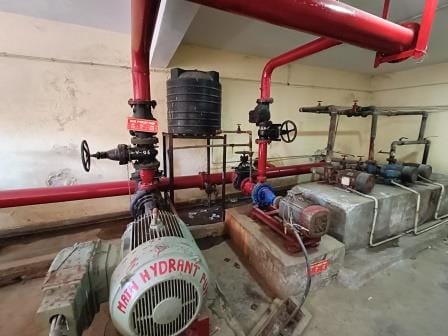
What Is a Fire Safety Audit?
A fire safety audit is a systematic evaluation of a company’s facilities, processes, and equipment to identify potential fire hazards and ensure compliance with fire safety regulations. The primary goal is to prevent fires, protect employees, and minimize property damage in the event of a fire. Here are some key reasons why every business should prioritize fire safety audits:
1. Protecting Lives: The safety of your employees and customers should be the
top priority. Fire safety audits help identify potential risks and ensure that adequate measures are in place to protect individuals within your premises.
2. Minimizing Property Damage: Fires can lead to significant financial losses
through property damage and business interruption. A fire safety audit can help mitigate these risks by identifying weaknesses in your fire prevention and control measures.
3. Legal Compliance: Many jurisdictions have strict regulations and codes related to fire safety. Non-compliance can result in fines, penalties, and even business closure. Regular fire safety audits help ensure that your business adheres to these regulations.
4. Insurance Requirements: Insurance companies often require businesses to undergo fire safety audits as a condition for coverage. Failing to meet their requirements may result in higher premiums or a loss of coverage altogether.
5. Prevention and Preparedness: Fire safety audits not only identify existing issues but also help you develop a proactive approach to preventing fires. They also play a critical role in formulating comprehensive emergency response and evacuation plans.
6. Reputation Management: Demonstrating a commitment to fire safety enhances your company’s reputation and instills trust among employees, customers, and stakeholders.
The Fire Safety Audit Process
The process of conducting a fire safety audit typically involves the following steps:
- Identifying Hazards: The audit begins by identifying potential fire hazards, such as faulty electrical systems, flammable materials, and inadequate fire exits.
- Evaluating Fire Prevention Measures: The audit assesses the effectiveness of your existing fire prevention measures, including fire extinguishers, alarms, and sprinkler systems.
- Assessing Emergency Response Plans: The readiness of your organization to respond to a fire emergency is evaluated. This includes the availability of fire drills, escape plans, and emergency exits.
- Compliance Check: The audit ensures that your business is in compliance with local, state, and national fire safety regulations.
“For many businesses, fire loss is not limited to physical damage; interruption to operations, stock, and customer service can create a much larger financial impact.”
Why Do Businesses Need a Fire Safety Audit?
Every business needs a fire safety audit because fire risks are often hidden within daily operations. Electrical faults, improper storage of flammable materials, or poorly maintained systems can quickly turn into major incidents if not identified early. A fire safety audit provides a structured way to evaluate these risks and ensure that preventive and response measures are effective.
More importantly, audits help protect people, property, and business continuity. They ensure that fire detection systems, suppression equipment, and evacuation procedures are working as intended. Without regular audits, businesses may remain unaware of critical gaps until an emergency occurs. A proactive audit approach allows organizations to reduce risks, improve preparedness, and create a safer working environment for employees and visitors.
Which Business Risks Does a Fire Safety Audit Reduce?
A fire safety audit significantly reduces multiple business risks, starting with the most critical—loss of life and property damage. By identifying hazards such as faulty wiring, blocked exits, or non-functional fire systems, audits help prevent incidents before they occur.
It also reduces financial and operational risks. Fire incidents can lead to production downtime, asset loss, and costly repairs. Additionally, non-compliance with fire safety regulations can result in fines, legal action, or even business shutdowns.
Reputational risk is another key factor. A fire incident can damage a company’s credibility and stakeholder trust. By addressing safety gaps proactively, businesses demonstrate responsibility and preparedness. Overall, fire safety audits act as a comprehensive risk management tool, helping organizations operate safely and sustainably.
“Fire risk profile varies by occupancy, which is why audit priorities differ between offices, warehouses, hotels, and industrial sites.
How Does a Fire Safety Audit Support Compliance and Insurance Readiness?
Fire safety audits play a critical role in ensuring regulatory compliance and insurance readiness. Businesses are required to follow fire safety codes and standards, and audits help verify whether all systems and practices meet these requirements. Non-compliance can lead to penalties, legal issues, or operational restrictions.
From an insurance perspective, audits help assess and reduce risk exposure. Insurers often evaluate fire safety measures before approving policies or determining premiums. A well-audited facility with proper systems in place is considered lower risk and may receive better insurance terms.
Additionally, audit reports serve as documented evidence of safety practices and due diligence. This documentation is valuable during inspections, claims, or renewals, ensuring smoother interactions with regulators and insurers.
What Are the Warning Signs That a Site Needs an Audit Now?
Certain warning signs clearly indicate that a fire safety audit is urgently needed. Rising incidents of electrical faults, frequent equipment failures, or overheating systems are major red flags. Similarly, missing or outdated fire safety documentation, such as expired NOCs or lack of maintenance records, signals potential compliance gaps.
Operational changes—like expansion, new machinery, or increased occupancy—also increase fire risk and require reassessment. Blocked emergency exits, poorly maintained extinguishers, or non-functional alarms are immediate concerns that demand attention.
Another key indicator is the absence of regular fire drills or staff training. If employees are not prepared for emergencies, the risk level increases significantly. Identifying these warning signs early and conducting an audit helps prevent serious incidents and ensures preparedness.
What Should Management Expect from the Final Report?
Management should expect a clear, structured, and actionable report from a fire safety audit. The report typically includes an executive summary outlining overall safety status and key findings. It then provides a detailed assessment of fire detection systems, suppression equipment, evacuation routes, and operational practices.
A critical part of the report is the list of non-compliances and risk observations, categorized by severity (high, medium, low). Each issue is supported by evidence and linked to relevant standards or regulations.
The report also includes recommendations and corrective actions, along with priorities and suggested timelines. This allows management to plan improvements effectively. Ultimately, the report serves as both a compliance document and a roadmap for enhancing fire safety across the facility.
How is a Fire Safety Audit Different from Routine Maintenance?
A fire safety audit is fundamentally different from routine maintenance. Maintenance focuses on ensuring that individual systems—like extinguishers, alarms, or sprinklers—are functioning properly through regular checks and servicing.
In contrast, a fire safety audit takes a holistic approach. It evaluates the entire fire safety framework, including infrastructure, systems, processes, and human preparedness. The audit identifies gaps, assesses compliance, and analyzes how all components work together during an emergency.
While maintenance is ongoing and task-specific, audits are periodic and strategic. They provide an independent assessment, often revealing hidden risks that routine checks may overlook. Together, both are essential, but audits play a broader role in ensuring overall fire safety effectiveness.
“The effectiveness of a fire system depends not only on design but also on inspection, maintenance, and access at the point of need.”
Conclusion
In conclusion, fire safety audits are not just a legal requirement; they are a fundamental necessity for every business. They not only protect lives and property but also contribute to the overall stability and sustainability of your organization. Elion Technologies and Consulting Private Limited is here to assist you in conducting comprehensive fire safety audits to ensure the safety of your employees and the longevity of your business.
Don’t wait until it’s too late. Contact us today to schedule your fire safety audit and take a proactive step towards a safer and more secure future, Please visit www.elion.co.in.
Frequently Asked Questions (FAQs)
1. Why is a fire safety audit important even if fire equipment is installed?
Ans. Installed fire equipment alone does not guarantee safety. Equipment may be inaccessible, expired, poorly maintained, or unsuitable for the current occupancy. A fire safety audit ensures that the entire system—including exits, alarms, hydrants, emergency procedures, and maintenance—is functional and effective during an actual emergency.
2. Can a fire safety audit help with insurance or management review?
Ans. Yes, a fire safety audit provides a clear and structured understanding of safety gaps, pending corrective actions, and maintenance issues. This helps management make informed decisions and strengthens the organization’s risk management position during internal reviews or insurance discussions.
3. Which types of businesses should prioritize a fire safety audit?
Ans. Businesses with public access, high occupancy, storage areas, process heat, or complex electrical systems should prioritize fire safety audits. This includes warehouses, factories, hospitals, hotels, schools, malls, offices, and mixed-use buildings where risks can have serious consequences.
4. What problems do fire safety audits commonly uncover?
Ans. Common findings include blocked escape routes, poor signage, inadequate housekeeping, faulty fire doors, untested alarm systems, non-functional hydrants, insufficient extinguisher coverage, weak documentation, and lack of staff training for emergency response.
5. How is a fire safety audit different from a routine service check?
Ans. A routine service check focuses on individual equipment or systems, while a fire safety audit takes a comprehensive approach. It evaluates the building, occupancy, systems, documentation, management practices, and emergency preparedness to provide a complete risk-based action plan.