
Introduction
This article should read as a technical case study, not as a promotional story. An electrical audit at a commercial or industrial facility in Navi Mumbai should explain the audit scope, site type, major systems reviewed, and the practical findings that affect safety and reliability. Typical review areas include main and sub-distribution boards, cables, earthing, protective devices, enclosure condition, labeling, loading, accessibility, and maintenance records. The best version of this page will clearly separate observed facts, general engineering guidance, and recommendations so the article becomes useful to both technical readers and decision-makers.
Powering Safety: The Essence of Electrical Audits
Electrical audits are essential for evaluating the safety, efficiency, and compliance of electrical systems within industrial and commercial settings. They provide a holistic view of the electrical infrastructure, identifying potential hazards, recommending improvements, and ensuring compliance with safety standards.
The Safety Auditor’s Expertise: Guiding Towards Safety
A safety auditor possesses specialized knowledge to conduct thorough evaluations of safety protocols, practices, and infrastructure. By conducting meticulous audits, they pinpoint potential risks, recommend preventive measures, and contribute to creating a safer working environment.
“‘Electrical safety matters because equipment defects and unsafe conditions can contribute to both injury risk and operational disruption.”
An electrical audit case study should explain what systems were inspected, what safety gaps were found, and what corrective actions were prioritized. That makes the page useful for readers and stronger for search credibility. Learn more below.
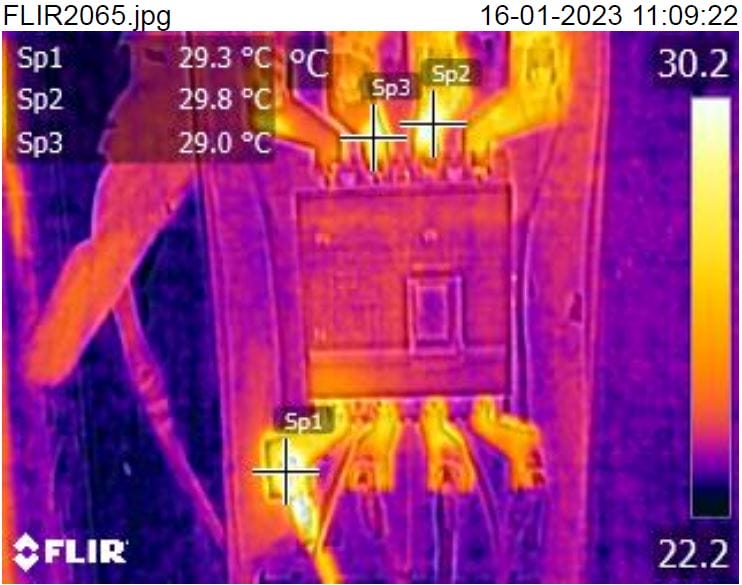
Electrical Audit for a Private Firm in Navi Mumbai, India
Objective
The primary objective of this electrical audit was to conduct a comprehensive assessment of the firm’s electrical infrastructure, focusing on electrical safety and ensuring proper earthing systems.
Methodology
- Preliminary Assessment: Conducted an initial review of electrical schematics, systems, and maintenance records to identify potential areas for a detailed audit.
- On-Site Inspection: Conducted a thorough on-site inspection of the firm’s electrical infrastructure, examining distribution panels, wiring, equipment grounding, and earthing systems.
- Safety Compliance Evaluation: Evaluated safety measures and practices to ensure compliance with industry standards and regulatory requirements.
- Recommendations: Presented a tailored set of recommendations, encompassing improvements to the electrical infrastructure, enhancements in safety protocols, and the importance of a robust earthing system.
What Was the Scope of This Navi Mumbai Electrical Audit?
The electrical audit conducted in Navi Mumbai focused on a comprehensive evaluation of the facility’s electrical infrastructure, safety systems, and operational reliability. The scope included assessing power distribution systems, earthing arrangements, and overall electrical safety practices.
A key objective was to identify potential hazards that could lead to electrical shocks, equipment damage, or fire risks. The audit also emphasized improving system efficiency and ensuring compliance with applicable safety standards. Special attention was given to the effectiveness of earthing systems, which play a critical role in maintaining voltage stability and protecting equipment. Overall, the audit aimed to provide a complete picture of system health and actionable recommendations for improvement.
“‘Across many facilities, recurring audit findings include poor terminations, weak labeling, access issues, and incomplete earthing verification.”
Which Electrical Systems Were Reviewed on Site?
The audit involved a detailed inspection of core electrical systems, including main panels, distribution boards, wiring networks, and connected equipment. Lighting systems, circuits, and load distribution were also reviewed to ensure safe and efficient operation.
In addition, safety components such as circuit breakers, grounding systems, and protective devices were evaluated for proper functioning. The audit covered both infrastructure and operational aspects, ensuring that all elements contributing to electrical performance were assessed.
This system-wide approach ensures that no critical component is overlooked and that interactions between systems are properly understood. A thorough inspection helps identify hidden risks that may not be visible during routine maintenance activities.
What Are the Most Common Safety Issues Found During Electrical Audits?
Electrical audits commonly reveal issues such as faulty wiring, overloaded circuits, inadequate grounding, and outdated equipment. These problems can significantly increase the risk of electrical hazards, including fires and shocks.
Loose connections, insulation damage, and improper load distribution are also frequently observed. In many facilities, older systems are not designed to handle current load demands, leading to overheating and inefficiency.
Another common issue is the lack of proper maintenance or testing of protection devices, which reduces their effectiveness during fault conditions. Identifying these issues early is critical, as they can escalate into serious safety incidents if left unaddressed.
How Should Earthing and Distribution Health Be Assessed?
Earthing and distribution systems should be assessed through testing, inspection, and performance evaluation. Earthing systems must be checked for resistance, continuity, and proper bonding to ensure safe dissipation of fault currents.
Distribution health involves evaluating load balance, voltage stability, and the condition of panels and wiring. Any signs of overheating, loose connections, or uneven load distribution must be addressed promptly.
Proper earthing is essential for preventing electrical shocks and protecting equipment from surges or lightning effects. A detailed assessment ensures that both safety and operational reliability are maintained across the facility.
What Should the Final Case-Study Report Show?
The final case-study report should present a clear and structured summary of findings, risks, and recommended actions. It typically includes an executive summary, system-wise observations, and identified non-compliances.
Each issue should be categorized based on severity, allowing stakeholders to prioritize corrective measures. The report should also include supporting evidence such as test results and site observations.
Additionally, it must provide practical recommendations for improving safety, efficiency, and compliance. A well-prepared report serves as both a diagnostic document and a roadmap for implementing improvements in the electrical system.
“‘Small electrical defects often become costly only when they stay unnoticed long enough to cause overheating, insulation failure, or breaker malfunction.”
How Can Facilities Use Electrical Audit Findings to Reduce Risk?
Facilities can use audit findings to implement targeted corrective actions that enhance safety and reliability. By addressing issues such as overloaded circuits, poor grounding, and faulty equipment, organizations can significantly reduce the risk of electrical incidents.
Audit recommendations also help optimize load distribution, improve system efficiency, and extend equipment lifespan. Regular monitoring and follow-up actions ensure that improvements are sustained over time.
Beyond risk reduction, implementing audit findings improves operational continuity and reduces unexpected downtime. It also strengthens compliance and builds a proactive safety culture within the organization, ensuring long-term benefits.
Results and Benefits
- Enhanced Electrical Safety: The implementation of recommendations significantly enhanced the overall electrical safety within the firm, reducing the risk of electrical accidents.
- Compliance with Standards: The audit ensured compliance with safety standards, demonstrating the firm’s commitment to a safe working environment.
- Operational Continuity: Optimized electrical systems and safety measures contributed to uninterrupted operations and enhanced operational efficiency.
Importance of Proper Earthing Systems
A crucial aspect of the electrical audit was evaluating and emphasizing the significance of proper earthing systems. Effective earthing prevents electrical shocks, ensures the stability of voltage levels, and protects equipment from lightning strikes. Proper earthing is fundamental to electrical safety and operational reliability.
Conclusion
Electrical audits are vital in safeguarding lives, equipment, and properties from electrical hazards. As demonstrated in this case study, an electrical audit conducted by professionals like those at Elion Technologies and Consulting Private Limited can significantly enhance electrical safety and operational efficiency.
If your organization is looking to prioritize electrical safety and ensure compliance, contact us at Elion Technologies and Consulting Private Limited. Our dedicated team of safety auditors is ready to tailor solutions to meet your unique needs and goals.
Frequently Asked Questions (FAQs)
1. What should be included in an electrical audit case study?
A credible electrical audit case study should clearly define the site type, outline the audit scope, describe the systems reviewed, summarize key observations, and present a prioritized action plan. It should focus on actual findings and avoid vague or generic statements.
2. Which systems are usually checked during an electrical audit?
Electrical audits typically examine main panels, sub-panels, cables, breakers, terminations, earthing systems, lightning protection interfaces (if applicable), labeling, clearances, equipment condition, and maintenance records. The scope may vary depending on the facility and its operational risks.
3. Why is earthing such a common audit topic?
Earthing is critical because it ensures safe dissipation of fault currents, protects equipment, and supports the proper functioning of protective devices. Poor earthing can compromise safety even if other electrical components appear to be in good condition.
4. Can an electrical audit reduce downtime as well as safety risk?
Yes, electrical audits often identify issues such as loose connections, overheating, improper loading, and aging components. Addressing these problems not only improves safety but also enhances system reliability and reduces unplanned downtime.
5. How should management use the final audit report?
Management should use the report to prioritize actions based on risk levels, addressing critical safety issues first while planning medium- and long-term improvements. A well-structured report helps in effective decision-making and implementation.