
Introduction
Cold storage facilities depend on reliable electrical performance because refrigeration loads, compressors, control systems, and supporting utilities often operate for long hours with little tolerance for failure. An electrical audit in this environment should therefore look beyond basic compliance. It should review incoming supply health, panel loading, protective devices, motor and compressor operation, cable condition, terminations, earthing continuity, moisture exposure, maintenance access, and shutdown risk. The strongest version of this article is a technical case study that explains how the site was reviewed, what major risk themes were identified, and which corrective measures were prioritized for safety and reliability.
Welcome to Elion Technologies and Consulting Private Limited! In this blog, we’re thrilled to present an in-depth case study on an extensive electrical audit carried out for a cold storage facility in Arkha, Uttar Pradesh, India. Our primary focus will be on highlighting the key elements of an electrical audit, with an emphasis on safety, efficient utilization of ammonia compressors, proper earthing systems, humidifier operations, and load calculations for cooling systems.
Ensuring Electrical Safety: The Core of an Electrical Audit
Electrical audits are fundamental in evaluating the safety, efficiency, and compliance of electrical systems within various industrial and commercial settings. For facilities such as cold storages, where electrical systems are a lifeline, ensuring safety and operational efficiency is of paramount importance.
The Expertise of an Electrical Auditor: Safeguarding Your Operations
An electrical auditor, armed with specialized knowledge and experience, plays a crucial role in meticulously examining electrical systems. Their expertise in evaluating safety measures, identifying potential risks, and suggesting improvements is vital for creating a secure and efficient electrical environment.
A cold storage electrical audit reviews the electrical systems that keep refrigeration reliable and safe, including compressors, motor feeders, panels, cables, earthing, and protection devices. That makes it both a safety exercise and a downtime-control exercise. Learn more below.
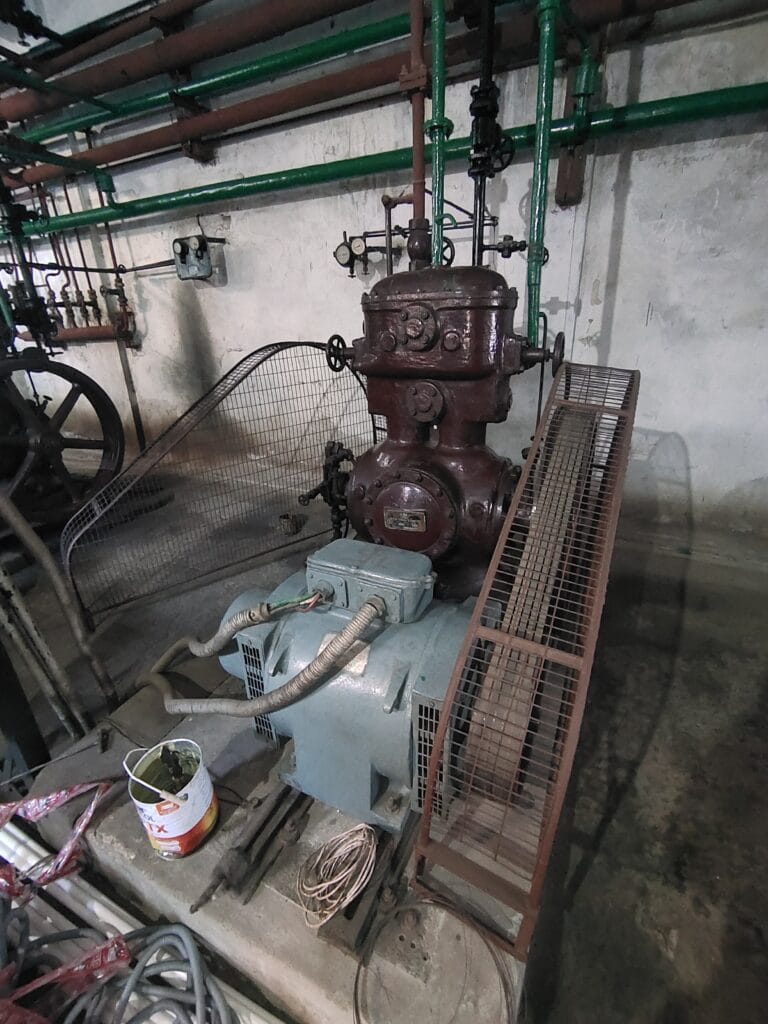
A Comprehensive Electrical Audit for a Cold Storage in Arkha, Uttar Pradesh
Objective
The primary objective of this electrical audit was to conduct a thorough assessment of the cold storage facility’s electrical infrastructure. Key areas of focus included safety measures, efficient operation of ammonia compressors, proper earthing systems, effective humidifier operations, and accurate load calculations for the cooling systems.
Methodology
- Preliminary Examination: A comprehensive review of the facility’s electrical schematics, maintenance logs, and equipment specifications was carried out to identify potential areas for detailed assessment.
- On-Site Inspection: A team of expert electrical auditors conducted an extensive on-site inspection, evaluating electrical panels, wiring, ammonia compressors, earthing systems, and humidifiers.
- Safety Compliance Analysis: Rigorous evaluations were conducted to ensure compliance with industry safety standards, particularly focusing on the safe handling and operation of ammonia compressors.
- Load Calculations for Cooling: Precise load calculations were performed to ascertain the electrical load requirements for the cooling systems, optimizing their efficiency and functionality.
- Customized Recommendations: Tailored recommendations were formulated, encompassing improvements in electrical infrastructure, safety protocols, efficient utilization of ammonia compressors, proper earthing practices, and effective humidifier operations.
“Cooling loads represent a major share of energy use in facilities that depend on refrigeration, which is why electrical inefficiency and failure risk matter so much.”
Why Do Cold Storage Facilities Need Electrical Audits?
Cold storage facilities operate with continuous, high-load electrical systems, making them highly sensitive to inefficiencies and failures. Equipment such as compressors, motors, and cooling systems run almost 24/7, consuming significant energy and creating safety risks if not properly maintained.
An electrical audit helps identify issues like overload conditions, insulation failures, and inefficient energy use. It ensures that systems are operating safely while maintaining required temperature conditions for stored goods. Since even minor electrical faults can disrupt cooling and lead to product loss, audits are essential for both safety and operational continuity. They also support compliance with standards and improve overall energy efficiency in the facility.
Which Systems Matter Most in a Cold Storage Electrical Audit?
In a cold storage facility, the most critical systems include refrigeration compressors, motors, electrical panels, and power distribution networks. Compressors are typically the largest energy consumers and directly impact cooling performance.
Motors driving fans, pumps, and condensers must also be evaluated for efficiency and load conditions. Electrical panels, wiring, and control systems are checked to ensure safe power distribution and proper operation.
Additionally, supporting systems such as humidifiers and cooling controls play an important role in maintaining optimal storage conditions. A system-wise audit ensures that all components—from power supply to refrigeration—work efficiently and reliably without causing safety risks or energy losses.
How Should Compressors, Motors, and Panels Be Reviewed?
Compressors, motors, and electrical panels should be reviewed through a combination of performance analysis, load measurement, and safety inspection. Compressors must be checked for operating efficiency, load cycles, and energy consumption, as they are the primary drivers of cooling performance.
Motors should be evaluated for proper sizing, overheating, and load conditions. Inefficient or overloaded motors can increase energy consumption and reduce system reliability. Panels and switchgear must be inspected for loose connections, overheating, and proper protection settings.
Load calculations and real-time measurements are essential to verify whether systems are operating within safe limits. This structured evaluation ensures both efficiency and reliability of critical cold storage operations.
“‘For cold storage facilities, electrical reliability is directly tied to operational continuity because refrigeration interruption can quickly escalate into product and service risk.”
What Earthing and Protection Issues Are Critical in Cold Storage Environments?
Earthing and protection systems are critical in cold storage due to high moisture levels and continuous electrical operation. Improper earthing can lead to electric shocks, equipment damage, and system instability.
The audit should verify earthing resistance, continuity, and proper bonding of all equipment. Protection devices such as circuit breakers and relays must be tested to ensure they respond correctly during faults.
Cold storage environments are particularly vulnerable to insulation degradation and leakage currents due to humidity. Any gaps in protection systems can result in serious hazards, including fire risks and equipment failure. Proper earthing and protection ensure safe operation and reduce the likelihood of unexpected breakdowns.
What Should the Final Audit Report Prioritize?
The final audit report should prioritize safety risks, system reliability, and energy efficiency improvements. It must clearly highlight critical observations such as overloaded systems, inadequate protection, and inefficient equipment.
Each finding should be categorized based on severity, allowing management to address high-risk issues first. The report should also include actionable recommendations for improving compressor efficiency, optimizing load distribution, and enhancing safety systems.
In addition, financial implications such as potential energy savings and cost reductions should be included. A well-structured report not only identifies problems but also provides a clear roadmap for improving performance and ensuring uninterrupted operations.
How Can Cold Storage Operators Use Audit Findings to Reduce Risk and Downtime?
Cold storage operators can use audit findings to implement targeted improvements that enhance reliability and reduce failures. By addressing critical issues such as overloaded equipment, poor maintenance, and inefficient systems, operators can prevent unexpected breakdowns.
Audit recommendations help optimize compressor operations, balance electrical loads, and improve overall system efficiency. This reduces energy costs while maintaining consistent cooling performance.
Regular monitoring and implementation of audit recommendations also extend equipment lifespan and reduce maintenance requirements. Ultimately, using audit insights proactively ensures uninterrupted operations, minimizes product loss, and improves overall safety and efficiency of the facility.
Results and Benefits
- Enhanced Electrical Safety: Implementation of recommendations significantly improved electrical safety, reducing the risk of accidents and enhancing the working environment.
- Compliance with Standards: The audit ensured full compliance with safety standards, reflecting the facility’s commitment to safety and regulatory adherence.
- Operational Efficiency: Optimized electrical systems and safety measures contributed to uninterrupted operations and improved operational efficiency.
- Efficient Ammonia Compressor Operation: The audit led to more efficient and safe utilization of ammonia compressors, a critical component in cold storage facilities.
- Accurate Load Calculations: Precise load calculations ensured optimal usage of energy for cooling systems, minimizing energy wastage and operational costs.
Conclusion
Electrical audits are indispensable for guaranteeing the safety, efficiency, and compliance of electrical systems. As showcased in this case study, an electrical audit by professionals like those at Elion Technologies and Consulting Private Limited can unlock immense potential for safety enhancement and operational efficiency.
If your organization seeks to optimize electrical systems and prioritize safety, contact us at Elion Technologies and Consulting Private Limited. Our dedicated team of electrical auditors is ready to tailor solutions that align with your unique needs and goals.
“‘Motor-driven systems usually dominate electrical demand in cold storage operations, making them a priority area during audit and maintenance planning.”
Frequently Asked Questions (FAQs)
1. Why is an electrical audit important for a cold storage facility?
Electrical audits are critical for cold storage facilities because they depend on continuous refrigeration. Any electrical failure can lead to product loss and operational disruption. An audit helps identify issues such as weak panels, compressor supply problems, poor connections, inadequate earthing, and protection gaps before they become serious risks.
2. What equipment should be reviewed in a cold storage electrical audit?
An electrical audit should review incoming power supply systems, transformers, distribution panels, compressors, condensers, evaporators, motor feeders, cable routing, earthing systems, protective devices, and control panels, especially in moisture-prone and high-load areas.
3. Are cold storage environments harder on electrical systems?
Yes, cold storage environments can be more demanding due to low temperatures, moisture, condensation, continuous operation, and frequent load cycles. These conditions can accelerate wear and tear on electrical components and systems.
4. What findings are common in cold storage audits?
Common findings include overheating at terminations, poor labeling, restricted access to panels, incomplete earthing verification, overloaded feeders, outdated protection settings, and maintenance issues in compressor and control circuits.
5. What should management expect from the final report?
The final report should provide a clear and prioritized action plan, highlighting critical safety risks, reliability concerns, and improvement opportunities. It should help management understand potential fire risks, electrical hazards, downtime risks, and impacts on refrigeration continuity.