
Introduction
In the realm of corporate and residential safety, fire prevention and preparedness stand as pillars of paramount importance. In this blog, we will explore a case study conducted by Elion Technologies and Consulting Private Limited, where we conducted an extensive fire safety audit for the office and residential complex of an Indian Utilities Company located in Haryana, India. We will uncover the critical role of a safety auditor and how our audit elevated fire safety measures within this complex.
🔥 Haryana mandates annual fire audits for: commercial buildings >15m height, industrial units, hotels, hospitals, schools, and malls. Fire NOC from district fire office required for trade licenses and building approvals. Non-compliance penalties: ₹20,000-₹50,000. Audit cost: ₹18k-₹70k depending on building type.
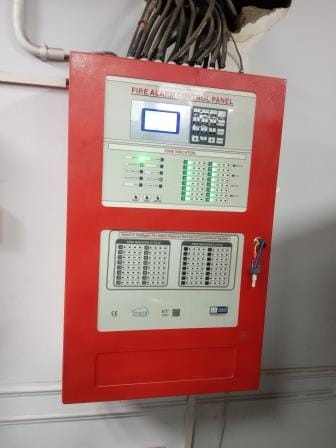
Fire Safety Audit for an Indian Utilities Company in Haryana
Client Background
Our esteemed client, a prominent Indian Utilities Company with a multifaceted presence in India, recognizes the importance of ensuring the safety and well-being of its employees, residents, and visitors. Acknowledging the critical significance of fire safety, they engaged us to conduct a comprehensive fire safety audit.
Audit Scope
Elion Technologies and Consulting Private Limited embarked on a comprehensive fire safety audit tailored to the specific requirements of the client’s office and residential complex. The audit scope included:
- Structural Fire Safety Assessment: A detailed examination of the complex’s structural fire safety measures, encompassing fire-resistant materials, emergency exit routes, fire compartmentalization, and the adequacy of fire safety signage.
- Fire Prevention Systems Inspection: Evaluation of fire prevention measures, including fire detection systems, fire alarms, fire suppression equipment, and their compliance with safety standards.
- Safety Protocols and Training Review: A thorough examination of existing safety protocols and employee training programs to ensure alignment with industry standards and regulatory requirements related to fire safety.
- Hazard Identification: Identification of potential fire hazards within the complex, including flammable materials, electrical equipment risks, and other potential ignition sources.
- Emergency Response Planning Evaluation: Assessment of emergency response plans, including evacuation procedures, assembly areas, and communication protocols during fire emergencies.
The Role of a Safety Auditor
A safety auditor plays a pivotal role in identifying fire safety risks, assessing safety measures, and ensuring regulatory compliance. In this case study, our safety auditor meticulously examined each aspect mentioned above, leveraging their expertise to uncover potential fire safety risks and compliance issues.
Key Findings and Recommendations
Following the comprehensive audit, we identified several areas for improvement:
- Structural Enhancements: Recommendations for structural enhancements, including the use of advanced fire-resistant materials and improved fire compartmentalization to mitigate fire risks.
- Fire Detection and Suppression Upgrades: Suggested upgrades to the fire detection and suppression systems to modern, interconnected systems with enhanced detection capabilities and rapid response mechanisms.
- Employee Training: Implementation of regular safety training sessions for employees to ensure they were well-prepared for potential fire emergencies.
- Hazard Mitigation Measures: Measures to mitigate potential fire hazards, such as proper storage and handling of flammable materials and addressing electrical equipment risks.
- Emergency Response Drills: Regular fire drills and emergency response exercises to familiarize employees and residents with evacuation procedures and safety protocols.
Results and Impact
After the fire safety audit and the implementation of our recommendations, the office and residential complex of the Indian Utilities Company in Haryana witnessed a significant enhancement in fire safety measures. This not only bolstered the safety of employees, residents, and visitors but also solidified the company’s commitment to safety excellence.
Conclusion
Fire safety audits, such as the one conducted by Elion Technologies and Consulting Private Limited for the Indian Utilities Company in Haryana, are vital for organizations operating in complex settings. A safety auditor plays a pivotal role in identifying potential fire safety risks, ensuring compliance with industry standards, and optimizing safety measures.
If you require a professional fire safety audit in India, particularly in Haryana, do not hesitate to contact us. At Elion Technologies, we are dedicated to safeguarding organizations and communities, contributing to safety excellence through meticulous fire safety audits, and providing tailored recommendations. Trust us to be your partner in safety and success.
Frequently Asked Questions (FAQs)
1. What was the objective of the fire safety audit in Haryana?
Ans. The primary objective was to evaluate fire safety systems in the office and residential complex, identify potential hazards, and recommend improvements to enhance safety and compliance.
2. Why are fire safety audits important for mixed-use complexes?
Ans. Fire safety audits are crucial for mixed-use complexes because they house both residential and office spaces, increasing risk exposure. These audits help ensure occupant safety, regulatory compliance, and protection of assets.
3. What areas are covered during a comprehensive fire safety audit?
Ans. A fire safety audit includes inspection of fire detection systems, firefighting equipment, emergency exits, electrical systems, evacuation plans, and overall compliance with fire safety standards.
4. What are the common fire risks identified in such facilities?
Ans. Common risks include faulty electrical systems, blocked emergency exits, inadequate fire suppression systems, improper storage of flammable materials, and lack of staff training.
5. How does a fire safety audit improve overall safety and operations?
Ans. A fire safety audit enhances safety by identifying vulnerabilities, ensuring compliance, improving emergency preparedness, and implementing corrective actions that reduce risks and protect both people and property.