
Introduction
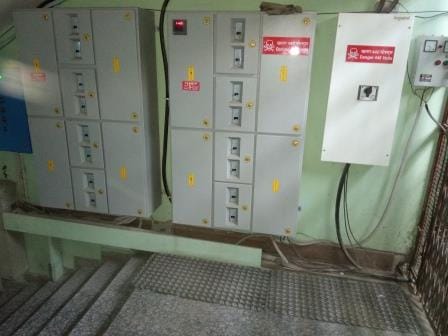
In any healthcare facility, safety is a non-negotiable priority, especially when it comes to electrical systems. In this blog, we will explore a case study conducted by Elion Technologies and Consulting Private Limited, where we conducted an extensive electrical safety audit for a hospital located in Sikar, Rajasthan, India. We will delve into the crucial role of a safety auditor and how our audit enhanced electrical safety measures within the hospital.
What Is a Thermography Audit?
A thermography audit is a non-invasive inspection using infrared cameras to detect equipment temperature abnormalities before failures occur. It costs ₹15,000-₹50,000 per facility, takes 2-4 hours, and typically prevents failures costing 10-15x the audit price. Recommended quarterly for critical systems, annually for standard facilities.
Electrical Safety Audit for a Hospital in Sikar, Rajasthan
Client Background
Our valued client, a reputable hospital in Sikar, has always been dedicated to providing top-notch healthcare services while ensuring the safety of patients, staff, and visitors. Recognizing the significance of electrical safety, they engaged us to conduct a comprehensive electrical safety audit.
Audit Scope
Elion Technologies and Consulting Private Limited embarked on a detailed electrical safety audit tailored to the specific needs of the hospital. The audit scope included:
- Electrical Systems Assessment: A thorough examination of the hospital’s electrical systems, encompassing wiring, distribution panels, switches, outlets, and backup power systems, to assess their condition and compliance with safety standards.
- Safety Protocols and Procedures: Reviewing existing electrical safety protocols and procedures to ensure they aligned with industry standards and regulatory requirements.
- Electrical Hazard Identification: Identifying potential electrical hazards within the hospital, including overloaded circuits, faulty wiring, improperly installed electrical equipment, and potential shock hazards.
- Emergency Response Planning: Evaluating the hospital’s emergency response plans related to electrical incidents, such as power outages and electrical emergencies.
- Grounding and Earthing Assessment: Inspecting the grounding and earthing systems to ensure they were functioning correctly to prevent electrical shocks and surges.
The Role of a Safety Auditor
A safety auditor plays a pivotal role in identifying electrical safety risks, assessing safety measures, and ensuring regulatory compliance. In this case study, our safety auditor meticulously examined each aspect mentioned above, leveraging their expertise to uncover potential electrical safety risks and compliance issues.
Key Findings and Recommendations
Following the comprehensive audit, we identified several areas for improvement:
- Electrical System Upgrades: Recommendations for upgrading and modernizing the hospital’s electrical systems to meet current safety standards, including replacing outdated wiring and electrical components.
- Safety Training: Implementation of regular safety training sessions for hospital staff to educate them on electrical safety practices and emergency response procedures.
- Hazard Mitigation: Measures to mitigate potential electrical hazards, such as addressing overloaded circuits, improving insulation, and conducting regular electrical equipment maintenance.
- Emergency Response Plans: Enhancements to emergency response plans related to electrical incidents, including clear procedures for power outage situations and electrical emergencies.
Results and Impact
After the electrical safety audit and the implementation of our recommendations, the hospital in Sikar, Rajasthan, significantly improved its electrical safety measures. This not only enhanced the safety of patients, staff, and visitors but also strengthened the hospital’s reputation for providing top-tier healthcare services in a secure environment.
Conclusion
Electrical safety audits, like the one conducted by Elion Technologies and Consulting Private Limited for the hospital in Sikar, Rajasthan, are imperative for healthcare institutions and all organizations. A safety auditor plays a critical role in identifying potential electrical safety risks and ensuring compliance with industry standards and regulations.
If you require a professional electrical safety audit in India, specifically in Rajasthan, do not hesitate to contact us. At Elion Technologies, we are dedicated to safeguarding healthcare institutions and contributing to safety excellence through meticulous electrical safety audits and tailored recommendations. Trust us to be your partner in safety and healthcare excellence.
Frequently Asked Questions (FAQs)
1. Why is an electrical safety audit important for hospitals?
Ans. Electrical safety audits are critical for hospitals because they ensure uninterrupted power supply for life-saving equipment and protect patients, staff, and visitors from electrical hazards such as shocks, fires, and system failures.
2. What was the objective of the electrical safety audit in Sikar, Rajasthan?
Ans. The main objective was to evaluate the hospital’s electrical systems, identify potential hazards, assess compliance with safety standards, and recommend corrective actions to enhance overall electrical safety and reliability.
3. What systems were covered during the electrical safety audit?
Ans. The audit covered wiring systems, distribution panels, switches, outlets, backup power systems, grounding and earthing, safety protocols, and emergency response planning to ensure complete safety compliance.
4. What are the common electrical risks identified in hospitals?
Ans. Common risks include overloaded circuits, faulty wiring, improper installation of equipment, inadequate grounding, and potential shock hazards, all of which can compromise patient safety and operations.
5. How did the electrical safety audit improve safety at the hospital?
Ans. The audit led to system upgrades, improved safety training, hazard mitigation measures, and enhanced emergency response planning, significantly improving overall electrical safety and operational reliability.