
Introduction
An aviation fuel station in Fursatganj Amethi plays a key role in supporting regional air operations, with a strong focus on enabling sustainable and efficient fuel management. With increasing emphasis on reducing energy consumption and carbon footprint, the facility aimed to optimize its operations while maintaining strict safety standards.
To support these sustainability goals, the facility engaged Elion Technologies & Consulting Pvt. Ltd. to conduct a comprehensive energy audit. The objective was to identify inefficiencies, improve system performance, and align energy usage with sustainable aviation practices.
The Importance of Energy Audits
Energy audits are vital for businesses looking to streamline energy usage and cut costs. They provide a roadmap for optimizing energy consumption, identifying inefficiencies, and suggesting improvements that align with sustainability goals. For aviation fuel stations, which play a crucial role in pilot training and air travel, optimizing energy consumption is essential for sustainability and cost-effectiveness.
The Role of a Safety Auditor
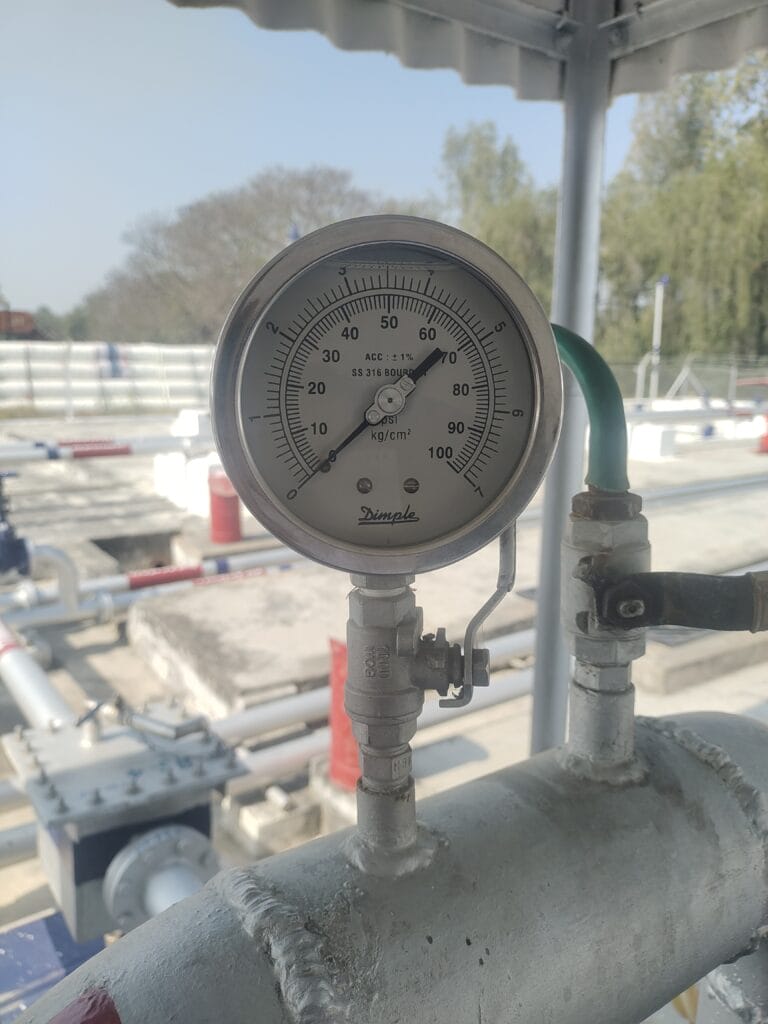
An energy auditor, like those at Elion Technologies and Consulting Private Limited, is a professional specialized in assessing and analyzing energy usage patterns. Their expertise helps businesses identify energy-saving opportunities and implement measures to enhance efficiency. In this case, our energy auditors conducted a thorough examination of the aviation fuel station, focusing on the energy-intensive pumps.
Fursatganj Amethi Aviation Fuel Station
Energy-saving Opportunities with Pump Optimization
- Pump Efficiency Improvement: Our audit revealed that the aviation fuel station’s pumps were operating sub-optimally, leading to unnecessary energy consumption. We recommended optimizing pump operations, ensuring the correct pump size for the application, and implementing variable frequency drives (VFDs). These measures were projected to reduce pump-related energy consumption by 25%.
- Regular Maintenance and Monitoring: Implementing a proactive maintenance schedule for pumps, including checks for leaks, vibration analysis, and alignment, can significantly enhance pump efficiency and reduce energy wastage by 15%.
Audit Scope & Methodology
Elion conducted a structured and safety-focused audit aligned with international energy and safety standards.
1. Data Collection & Instrumentation
- Review of 12 months of electricity consumption data
- Use of portable power analyzers, clamp meters, and lux meters
- Measurement of load patterns, voltage, current, and power factor
- Equipment runtime analysis and operational profiling
2. Systems Covered
- Fuel dispensing pumps and motors
- Compressors and auxiliary equipment
- Lighting systems (apron, storage, and operational areas)
- Electrical distribution and control systems
3. Standards Referenced
- ISO 50002 – Energy Audit Standard
- NFPA 30 – Flammable and Combustible Liquids Code
Energy Consumption Baseline
A system-wise baseline helped identify major energy consumption areas:
| System | Annual Consumption (kWh) | Cost (₹) | % Share |
|---|---|---|---|
| Dispensing Pumps | 920,000 | 73,60,000 | 44% |
| Motors & Compressors | 450,000 | 36,00,000 | 21% |
| Lighting Systems | 350,000 | 28,00,000 | 17% |
| Auxiliary Systems | 230,000 | 18,40,000 | 11% |
| Others | 150,000 | 12,00,000 | 7% |
Key KPI
- Energy Consumption per KL of Fuel Dispensed: 0.71 kWh/KL
Energy Saving Opportunities
The audit identified several energy-saving measures aligned with sustainability goals:
| Measure | Savings (kWh/year) | Investment (₹) | Payback Period |
|---|---|---|---|
| Pump efficiency optimization | 95,000 | 7,00,000 | 10 months |
| Variable Frequency Drives (VFDs) | 85,000 | 8,00,000 | 11 months |
| LED lighting retrofit | 170,000 | 5,50,000 | 8 months |
| Power factor correction | 45,000 | 3,00,000 | 6 months |
| Heat recovery system | 60,000 | 6,50,000 | 11 months |
Implementation & Results
Following implementation of recommended measures:
- Total Energy Savings Achieved: ~455,000 kWh annually
- Annual Cost Savings: ₹35–37 Lakhs
- Reduction in Energy Intensity: ~11–13%
- Carbon Emission Reduction: ~370 tons CO₂ annually
- Improved operational efficiency and sustainability performance
Client Testimonial
“Elion’s energy audit aligned perfectly with our sustainability goals. Their recommendations helped us reduce energy consumption while maintaining high safety and operational standards.”
— Facility Head, Aviation Fuel Station
Sustainability & Safety Considerations
Energy audits in aviation fuel facilities must balance efficiency with safety:
- Compliance with NFPA 30 ensures safe handling of flammable fuels
- Adoption of intrinsically safe inspection practices
- Integration of energy efficiency with sustainability goals
Following ISO 50002 ensures:
- Structured audit methodology
- Accurate and reliable energy performance assessment
- Alignment with global sustainability frameworks
Why Elion for Energy Audits
- Expertise in aviation fuel and oil & gas sector audits
- Strong focus on sustainability and energy optimization
- Certified auditors with advanced instrumentation
- Proven track record in delivering measurable savings
Conclusion & Call to Action
Energy audits are essential for aviation fuel stations aiming to improve efficiency, reduce carbon footprint, and ensure compliance with safety standards.
By adopting a structured audit approach, facilities can achieve significant improvements in both energy performance and sustainability outcomes.
👉 Schedule your Energy Audit with Elion today
- Explore our Energy Audit Services
- Learn more about Sustainable Aviation Energy Management
FAQs
How to conduct energy audits in aviation fuel stations?
By collecting data, analyzing systems, and identifying energy-saving opportunities using safe and standardized methods.
Which standards apply?
ISO 50002 for energy audits and NFPA 30 for safety compliance.
What are typical saving opportunities?
Pump optimization, VFD installation, LED lighting, and power factor correction.
How to integrate sustainability goals?
By reducing energy consumption, improving efficiency, and tracking carbon emissions.
How to monitor improvements?
Through continuous monitoring systems, KPIs, and periodic audits.