
Introduction
An aviation fuel station in Prayagraj plays a vital role in ensuring uninterrupted fuel supply for aircraft operations. With continuous functioning of dispensing systems, pumps, motors, and lighting infrastructure, the facility experiences substantial energy consumption.
To enhance operational efficiency and support sustainability goals, the facility partnered with Elion Technologies & Consulting Pvt. Ltd. to conduct a comprehensive energy audit. The objective was to identify inefficiencies, optimize energy usage, and ensure compliance with safety and energy standards.
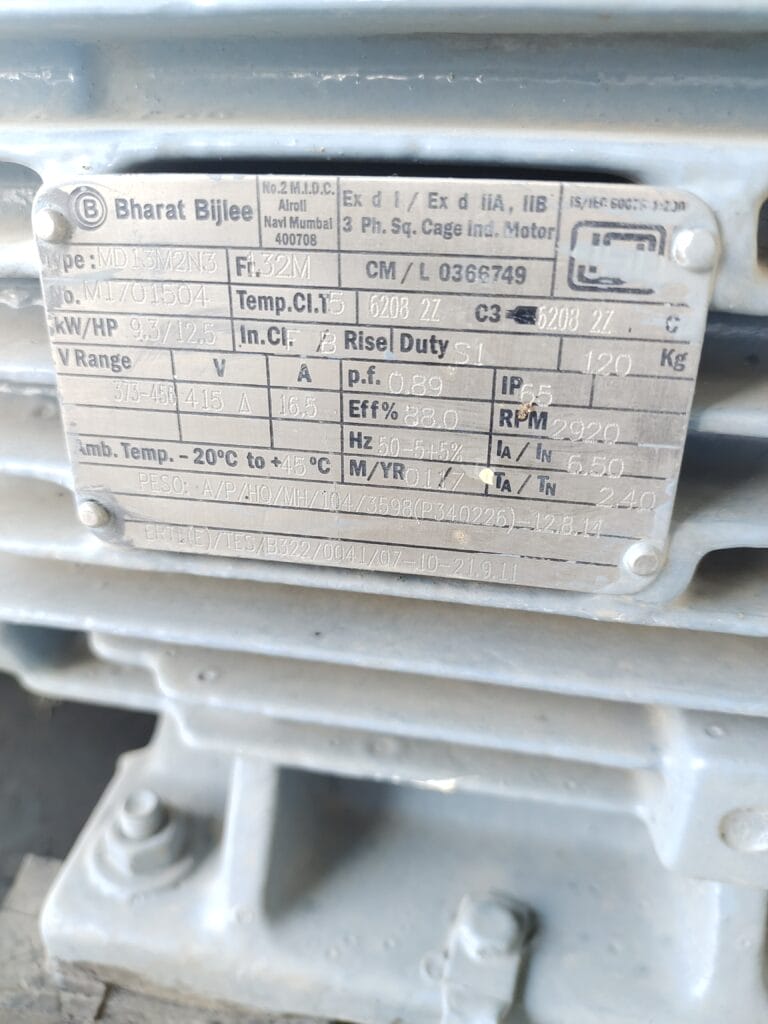
Audit Methodology & Energy Baseline
Elion adopted a structured and safety-focused audit methodology suitable for aviation fuel environments.
1. Data Collection & Instrumentation
- Review of historical electricity consumption (12 months)
- Use of portable power analyzers, clamp meters, and lux meters
- Measurement of voltage, current, load factor, and power factor
- Equipment runtime and operational pattern analysis
2. Systems Covered
- Fuel dispensing pumps and motors
- Electrical panels and control systems
- Lighting systems (apron, storage, and operational areas)
- Auxiliary systems
3. Standards Referenced
- ISO 50002 – Energy Audit Standard
- NFPA 30 – Flammable and Combustible Liquids Code
Energy Consumption Baseline
A system-wise baseline was established to identify energy-intensive operations:
| System | Annual Consumption (kWh) | Cost (₹) | % Share |
|---|---|---|---|
| Dispensing Pumps | 950,000 | 76,00,000 | 46% |
| Motors & Drives | 420,000 | 33,60,000 | 20% |
| Lighting Systems | 320,000 | 25,60,000 | 15% |
| Auxiliary Systems | 230,000 | 18,40,000 | 11% |
| Others | 150,000 | 12,00,000 | 8% |
Key KPI
- Energy Consumption per KL of Fuel Dispensed: 0.72 kWh/KL
Energy Saving Opportunities
The audit identified several high-impact improvement measures:
| Measure | Savings (kWh/year) | Investment (₹) | Payback Period |
|---|---|---|---|
| Pump efficiency optimization | 100,000 | 7,00,000 | 10 months |
| Variable Frequency Drives (VFDs) | 85,000 | 8,50,000 | 12 months |
| LED lighting retrofit | 160,000 | 5,50,000 | 8 months |
| Power factor correction | 40,000 | 3,00,000 | 6 months |
| Heat recovery system | 60,000 | 6,50,000 | 11 months |
Implementation & Outcomes
Following implementation of key recommendations:
- Total Energy Savings Achieved: ~445,000 kWh annually
- Annual Cost Savings: ₹34–36 Lakhs
- Reduction in Energy Intensity: ~11–13%
- Carbon Emission Reduction: ~360 tons CO₂ annually
- Improved operational efficiency and energy monitoring
Client Testimonial
“The energy audit provided by Elion gave us actionable insights into our fuel dispensing systems. The improvements have significantly reduced our energy costs while maintaining strict safety standards.”
— Facility Manager, Aviation Fuel Station
Safety & Compliance Considerations
Energy audits in aviation fuel stations require strict adherence to safety protocols:
- Compliance with NFPA 30 ensures safe handling of flammable fuels
- Use of intrinsically safe inspection practices
- Avoidance of ignition risks during measurement and inspection
Following ISO 50002 ensures:
- Structured and credible audit methodology
- Reliable benchmarking and reporting
- Alignment with global energy management practices
Why Elion for Energy Audits
- Proven expertise in aviation fuel and oil & gas sector audits
- Experience in high-risk, safety-critical environments
- Certified auditors with advanced diagnostic tools
- ROI-focused, implementation-driven solutions
FAQs
How to conduct an energy audit of an aviation fuel station?
It involves data collection, system analysis, on-site measurements, and identification of energy-saving opportunities.
Which standards apply to such audits?
ISO 50002 for energy audits and NFPA 30 for safety in flammable liquid facilities.
What are typical energy-saving measures?
Pump optimization, VFD installation, LED lighting upgrades, and power factor correction.
How to improve pump efficiency?
By optimizing operating conditions, maintaining equipment, and using variable speed drives.
How to ensure safety during energy audits?
By following NFPA standards, using safe instrumentation, and adhering to strict operational protocols.
Conclusion
Energy audits conducted by experienced professionals like Elion Technologies and Consulting Private Limited are indispensable for businesses seeking to enhance their operational efficiency while reducing energy costs and environmental impact. Our recent audit of the aviation fuel station in Prayagraj exemplifies the tangible benefits that can be achieved through systematic energy assessment and the implementation of recommended improvements.
In today’s world, where sustainability and financial prudence go hand-in-hand, an energy audit serves as a beacon of hope, guiding organizations towards a greener and more prosperous future. By partnering with an energy auditor, like us, companies can embark on a journey of energy efficiency, cost savings, and environmental responsibility.
If you’re interested in optimizing your energy consumption and exploring potential savings, contact Elion Technologies and Consulting Private Limited today. Our team of expert energy auditors is ready to assist you on your path to sustainability and financial success. Together, we can create a brighter and more sustainable future.