
Introduction
A professional industrial water audit identifies 25-40% water waste from leaks, inefficient cooling towers, and process inefficiencies — translating to ₹5-50 lakh in annual savings for medium-to-large Indian facilities while ensuring compliance with CGWA permits and State Pollution Control Board conditions.
The Ministry of Jal Shakti’s National Water Mission reports that Indian industry currently consumes approximately 6% of total freshwater withdrawal, but wastes an estimated 30-40% through preventable inefficiencies, making industrial water audits the most cost-effective intervention in the country’s water security strategy.
India’s Central Ground Water Authority (CGWA) mandates water audits for facilities extracting more than 10,000 cubic meters per month (as per CGWA Guidelines 2020), and State Pollution Control Boards (SPCBs) under the Water (Prevention and Control of Pollution) Act 1974 require annual water consumption reports from Category A and B industries.
A textile dyeing unit in Surat consuming 2.5 million litres per day commissioned a water audit revealing 38% waste from cooling tower blowdown mismanagement and dyeing bath recycling gaps; implementing audit recommendations cost ₹18 lakh in equipment and reduced daily consumption to 1.6 million litres — saving ₹35 lakh/year in water tariffs and ZLD treatment costs.
A pharmaceutical manufacturing facility in Baddi (Himachal Pradesh) conducting a water audit identified RO reject recycling opportunities worth ₹12 lakh annually and reduced CGWA extraction charges by ₹8 lakh by demonstrating efficient use to the Authority.
Industrial water audits in India are increasingly driven by three forces: regulatory compliance (CGWA, SPCB, Environment Protection Act 1986), ESG and BRSR reporting obligations (water intensity metrics required under SEBI BRSR from FY 2022-23), and rising water tariffs across Indian states (up 40-120% in major industrial zones since 2018). This blog explains what a water audit covers, its compliance implications, and the ₹ ROI for Indian manufacturers.
“Water audits in India deliver the highest immediate ROI of any utility audit type.”
Industrial Water Audit India
An industrial water audit maps all water intake, use, and discharge points; identifies leaks (typically 15-30% of consumption); optimises cooling tower cycles, RO recovery, and process recycling. CGWA mandates audits for facilities extracting >10,000 m³/month. Typical savings: ₹5-50L/year. Compliance audit required annually per SPCB conditions.
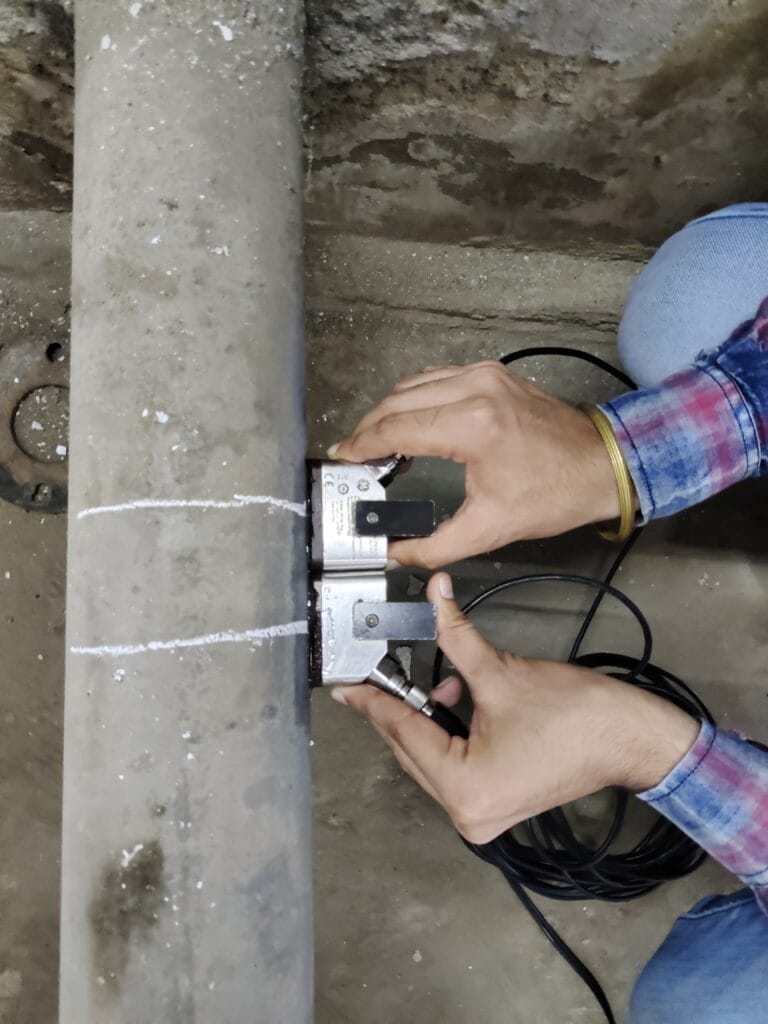
Understanding Water Audits
A water audit is a systematic process that evaluates a company’s water use, distribution, and disposal. It involves a comprehensive assessment of a facility’s water consumption, identifying areas where water is used and potentially wasted. Water audits are a critical tool in helping industries understand their water-related processes, water efficiency, and environmental impact.
The Importance of Water Audits
Resource Conservation: Water audits help industries pinpoint inefficiencies in their water usage. This, in turn, allows companies to identify areas where water can be conserved, reducing waste and operating costs.
Environmental Responsibility: As society becomes increasingly environmentally conscious, industries are under pressure to demonstrate their commitment to sustainability. Water audits help companies monitor and reduce their water consumption, thus lowering their impact on local ecosystems and preserving water resources.
Compliance with Regulations: Many governments and regulatory bodies have stringent water usage and discharge standards. Conducting regular water audits ensures that a company remains compliant with these regulations, reducing the risk of fines or legal actions.
Cost Savings: By optimizing water use and reducing waste, companies can significantly cut down on their water bills, ultimately leading to substantial cost savings.
Risk Mitigation: Addressing water-related risks, such as potential shortages or contamination, is crucial for business continuity. Water audits can help companies identify vulnerabilities and take steps to mitigate these risks.
Elion Technologies and Consulting Private Limited: Your Partner in Water Audits
Elion Technologies and Consulting Private Limited is a trusted partner for industries seeking to enhance their sustainability and compliance efforts through water audits. Our team of experts possesses a deep understanding of water management, allowing us to provide tailored solutions that meet your specific needs.
Our services include:
Comprehensive Water Audits: We conduct in-depth water audits, analyzing your facility’s water use from source to discharge. This includes an assessment of water sources, distribution systems, and waste disposal processes.
Efficiency Improvement: Based on our audit findings, we provide recommendations for improving water efficiency and reducing consumption, helping you achieve both environmental and financial goals.
Regulatory Compliance: We help you navigate the complex landscape of water-related regulations and ensure your operations align with all applicable standards.
Risk Assessment: Our experts identify potential water-related risks and develop strategies to mitigate them, ensuring your business continuity.
“A water audit prepares the extraction efficiency documentation required for CGWA NOC renewals and SPCB compliance — avoiding penalties that dwarf audit costs.”
Conclusion
In conclusion, water audits are indispensable for industries looking to improve sustainability, reduce costs, and meet compliance requirements. Elion Technologies and Consulting Private Limited’s expertise in this field ensures that your company can address these critical issues effectively and responsibly, contributing to a more sustainable and environmentally-friendly future.
Contact us today to learn more about how we can help your industry take the essential steps towards water sustainability and compliance. Together, we can make a positive impact on the environment while securing your business’s long-term success.
Frequently Asked Questions (FAQs)
Q1: Is a water audit mandatory for Indian industries?
A: Yes for many industries. CGWA mandates water audits for groundwater users extracting >10,000 m³/month (revised CGWA Guidelines 2020). State PCBs under the Water Act 1974 require annual water consumption statements from Category A and B industries. Industries in water-stressed areas (e.g., Rajasthan, Gujarat) face additional state-level requirements.
Q2: How much water can an industrial water audit save?
A: A professionally conducted industrial water audit typically identifies 25-40% savings opportunities. For a facility using 500,000 litres/day, this equals 125,000-200,000 litres/day saved. At typical industrial water tariffs of ₹30-80 per KL, this translates to ₹13-58 lakh annually, excluding wastewater treatment cost reductions.
Q3: What does an industrial water audit include?
A: A comprehensive industrial water audit includes: metered inlet flow measurement, water balance mapping (intake vs. use vs. discharge), leak detection survey, cooling tower performance assessment, RO/DM plant efficiency measurement, water recycling opportunity identification, and CGWA/SPCB compliance gap report with corrective actions.
Q4: What are the CGWA regulations for industrial water use in India?
A: CGWA (Central Ground Water Authority) Guidelines 2020 require: No Objection Certificates (NOCs) for groundwater extraction, quarterly groundwater level monitoring, annual water audits for large users, installation of recharge structures, and progressive reduction in extraction for industries in over-exploited areas. Violations attract fines of ₹1 lakh to ₹10 lakh.
Q5: How does a water audit support BRSR reporting?
A: SEBI’s BRSR framework (mandatory for top-1000 listed companies from FY 2022-23) requires disclosure of total water withdrawal, consumption intensity, and recycling percentage. A professionally conducted water audit provides the verified baseline data needed for these disclosures and demonstrates ESG commitment to investors.
Q6: What Indian industries are most likely to benefit from water audits?
A: The highest ROI from water audits is typically found in: textile dyeing and processing (high water intensity), pharmaceuticals (large RO/DM water volumes), food and beverage (process and cooling water), steel and metals (cooling circuit losses), and paper mills (process water recycling opportunities).