
Introduction
A petroleum refinery’s bottling plant in Aligarh operates with high energy intensity due to continuous processes such as compression, pumping, and cylinder handling. With rising energy costs and the need for operational efficiency, the plant aimed to optimize its energy consumption while maintaining production reliability.
To achieve these objectives, the organization partnered with Elion Technologies & Consulting Pvt. Ltd. to conduct a comprehensive energy audit focused on identifying inefficiencies, reducing energy waste, and improving overall system performance.
Methodology & Energy Baseline
ELION followed a structured, standards-driven approach aligned with industry best practices.
1. Data Collection & Instrumentation
- Analysis of 12 months of electricity consumption data
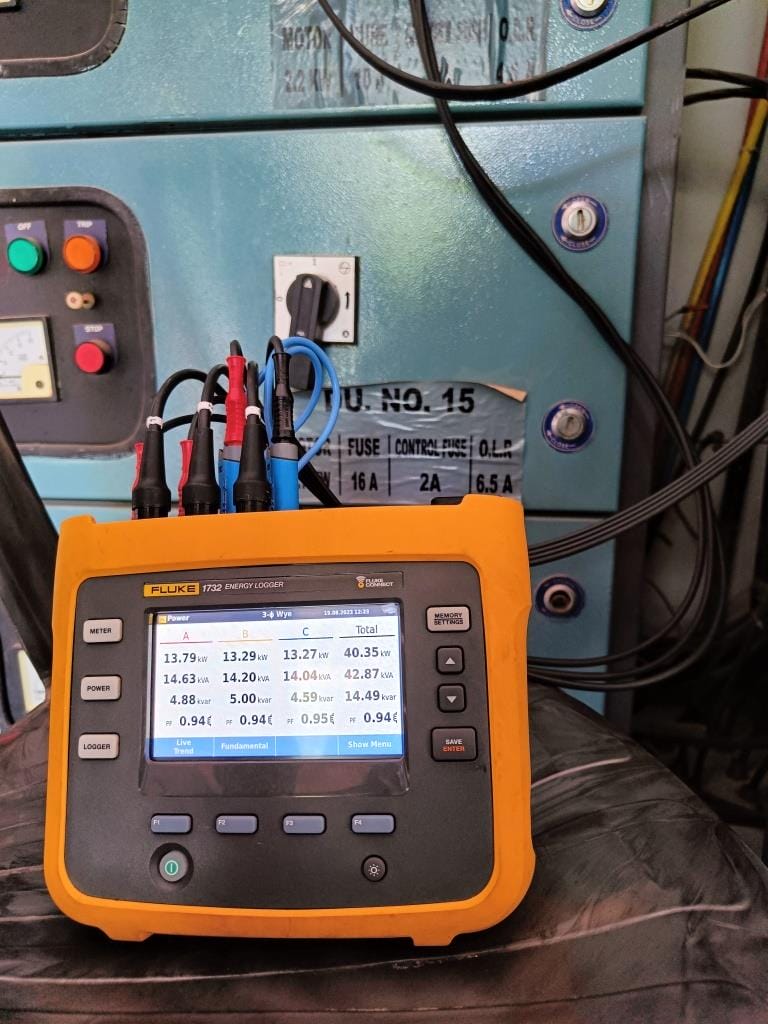
- Use of portable power analyzers and clamp meters
- Measurement of voltage, current, load factor, and power factor
- Equipment runtime and loading pattern assessment
2. Equipment Covered
- Air compressors and compressed air systems
- Pumps and motor-driven systems
- Electrical motors across bottling lines
- Lighting systems (indoor & outdoor)
3. Standards Referenced
- ISO 50002 – Energy Audit Standard
- IS 14489 – Occupational Safety & Health Audit (relevant safety integration)
Energy Consumption Baseline
A detailed breakdown of energy consumption by major systems was established:
| System | Annual Consumption (kWh) | Cost (₹) | % Share |
|---|---|---|---|
| Air Compressors | 1,500,000 | 1,20,00,000 | 42% |
| Pumps | 900,000 | 72,00,000 | 25% |
| Motors (Process) | 600,000 | 48,00,000 | 17% |
| Lighting | 300,000 | 24,00,000 | 8% |
| Others | 250,000 | 20,00,000 | 8% |
Key KPI
- Specific Energy Consumption: 0.92 kWh per cylinder filled
Energy Saving Opportunities
The audit identified multiple opportunities with strong ROI:
| Measure | Savings (kWh/year) | Investment (₹) | Payback Period |
|---|---|---|---|
| Compressor efficiency optimization | 120,000 | 6,00,000 | 8 months |
| VFD installation on pumps | 90,000 | 9,00,000 | 12 months |
| LED lighting upgrade | 150,000 | 5,00,000 | 9 months |
| Power factor correction | 45,000 | 3,00,000 | 6 months |
| Steam/air leak reduction | 80,000 | 4,00,000 | 7 months |
Results & Follow-Up
Post implementation of key recommendations:
- Total Energy Savings Achieved: ~485,000 kWh annually
- Annual Cost Savings: ₹38–40 Lakhs
- Reduction in Specific Energy Consumption: ~12%
- Improved system reliability and reduced energy losses
- Continuous monitoring mechanisms implemented
Client Testimonial
“ELION’s energy audit provided deep insights into our operations. Their recommendations delivered measurable savings and improved our energy performance significantly.”
— Plant Head, Bottling Facility, Aligarh
Compliance & Standards Impact
Following ISO 50002 ensures:
- Structured and reliable audit methodology
- Accurate identification of inefficiencies
- Improved credibility and audit traceability
Integration with IS 14489 enhances safety alignment alongside energy efficiency improvements.
Why ELION for Energy Audits
- Extensive experience in petroleum and bottling industries
- Certified auditors with advanced diagnostic tools
- ROI-focused and implementation-driven approach
- Proven track record in reducing industrial energy costs
Conclusion & Call to Action
Energy audits are essential for bottling plants aiming to optimize energy use, reduce costs, and improve sustainability.
By adopting structured audits and implementing targeted measures, organizations can achieve measurable improvements in performance and compliance.
👉 Schedule your Energy Audit with ELION today
- Explore our Energy Audit Services
- Read our blog on ISO 50002 Energy Audits
FAQs
How is an energy audit done in bottling plants?
It involves data collection, equipment analysis, on-site measurements, and identification of energy-saving opportunities.
What are best practices for energy efficiency?
Optimizing compressors, using VFDs, improving power factor, and upgrading lighting systems.
Which standards apply to energy audits?
ISO 50002 is the primary standard, along with supporting frameworks like IS 14489.
What are typical savings in energy audits?
Industries can achieve 10–20% energy savings depending on operational efficiency.
How to implement audit recommendations?
By prioritizing measures based on ROI, executing upgrades, and monitoring performance regularly.