
Introduction
An LPG bottling plant in Port Blair, operating under a leading petroleum refinery, plays a vital role in energy distribution across the region. With continuous operations involving compressors, pumps, and cylinder handling systems, energy consumption forms a significant portion of operational costs.
To improve energy efficiency, reduce costs, and align with sustainable practices, the plant engaged Elion Technologies & Consulting Pvt. Ltd. to conduct a detailed energy audit. The objective was to identify inefficiencies, establish a baseline, and recommend actionable energy-saving measures.
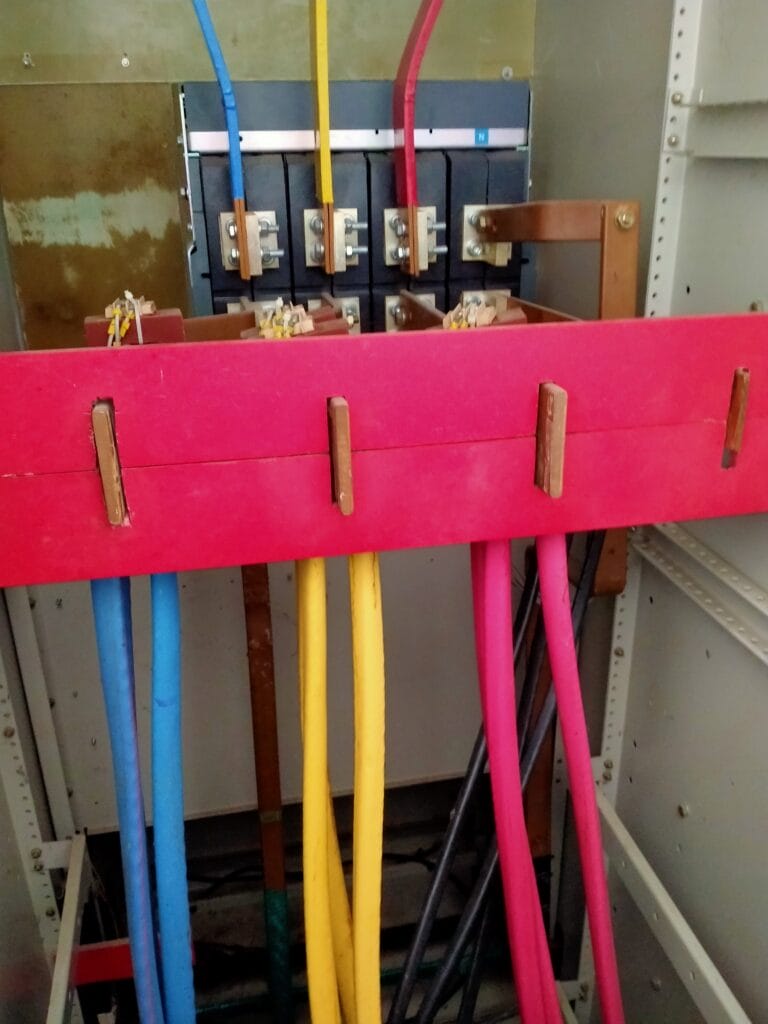
Audit Methodology & Scope
Elion conducted the audit in line with globally accepted standards and industry best practices.
1. Data Collection & Analysis
- Review of historical electricity bills (12 months)
- Load profiling and demand analysis
- Identification of peak consumption patterns
2. Equipment Inventory & Assessment
- Air compressors and compressed air systems
- Pumps and motor-driven systems
- Lighting systems (indoor & outdoor)
- HVAC and auxiliary systems
3. Measurement & Monitoring
- On-site measurements using power analyzers
- Voltage, current, power factor, and harmonics analysis
- Compressed air leak detection
4. Standards Referenced
- ISO 50002 – Energy Audits Standard
- OISD Guidelines – Energy management in oil & gas sector
Energy Use Baseline
The baseline energy consumption was established to identify major energy-consuming systems:
| System | Annual Consumption (kWh) | Energy Cost (₹) | % Contribution |
|---|---|---|---|
| Air Compressors | 1,200,000 | 96,00,000 | 40% |
| Pumps | 750,000 | 60,00,000 | 25% |
| Lighting | 300,000 | 24,00,000 | 10% |
| HVAC Systems | 450,000 | 36,00,000 | 15% |
| Others | 300,000 | 24,00,000 | 10% |
Key KPI
- Energy Consumption per Cylinder Filled: 0.85 kWh/cylinder
Energy Saving Opportunities
Several opportunities were identified to optimize energy consumption:
| Measure | Energy Saving (%) | Annual Savings (kWh) | Investment (₹) | Payback Period |
|---|---|---|---|---|
| Compressor leak reduction | 8% | 96,000 | 5,00,000 | 6 months |
| VFD installation on pumps | 10% | 75,000 | 8,00,000 | 10 months |
| LED lighting upgrade | 50% | 150,000 | 4,00,000 | 8 months |
| Power factor improvement | 3% | 36,000 | 2,50,000 | 6 months |
| Heat recovery system | 5% | 60,000 | 6,00,000 | 12 months |
Implementation & Results
Following implementation of key recommendations:
- Total Energy Savings: ~417,000 kWh annually
- Cost Savings: ₹33–35 Lakhs per year
- Reduction in CO₂ Emissions: ~340 tons annually
- Improved system efficiency and reduced load fluctuations
- Enhanced equipment life and reduced maintenance issues
Client Testimonial
“The energy audit by ELION provided us with clear, actionable insights. The implemented measures significantly reduced our energy costs and improved operational efficiency.”
— Plant Manager, LPG Bottling Facility
Why ELION for Energy Audits
- Extensive experience in oil & gas and bottling plants
- Certified energy auditors and advanced diagnostic tools
- Strong adherence to ISO and OISD standards
- Focus on ROI-driven recommendations
- End-to-end support from audit to implementation
Conclusion & Call to Action
Energy audits are essential for LPG bottling plants to control operational costs and improve sustainability.
By identifying inefficiencies and implementing targeted solutions, organizations can achieve significant savings while ensuring compliance and reliability.
👉 Schedule your Energy Audit with ELION today
- Explore our Energy Audit Services
- Learn more about Compressed Air Audit Solutions
- Discover Power Factor Improvement Services
FAQs
What is an energy audit of an LPG bottling plant?
It is a systematic evaluation of energy consumption across systems like compressors, pumps, and lighting to identify savings opportunities.
How can LPG plants reduce energy consumption?
By optimizing compressors, using energy-efficient motors, improving power factor, and upgrading lighting systems.
Which standards guide energy audits?
ISO 50002 and OISD guidelines are commonly followed for structured and reliable energy audits.
What are typical energy-saving measures?
Compressed air leak reduction, VFD installation, LED lighting upgrades, and heat recovery systems.
How is ROI calculated in an energy audit?
ROI is calculated based on investment cost versus annual savings, typically expressed as payback period.