
Introduction
A comprehensive fire safety audit checklist contains 38 critical inspection points across six categories: exits (12 checks), extinguishers (8 items), alarms (6 tests), evacuation plans (5 elements), electrical fire risks (4 inspections), and housekeeping (3 standards). According to National Safety Council data, buildings using structured checklists for quarterly self-audits identify 80-85% of violations that professional auditors would find.
Fire department statistics reveal that 67% of fire audit violations involve blocked exits, 54% have expired extinguishers, and 48% operate non-functional alarm systems. These three categories alone account for 76% of all fire safety deficiencies discovered during inspections. Regular checklist-based self-audits reduce official audit violations by 73% per fire safety industry benchmarks.
A retail building in Chennai conducting quarterly self-audits using a 38-point checklist discovered 12 minor violations before the annual professional inspection—including three expired extinguishers, one blocked secondary exit, and inadequate emergency lighting in storage areas. Proactive correction (₹42,000 total cost) prevented penalty fines averaging ₹15,000-₹25,000 per violation plus avoided the compliance deadline pressure.
The checklist aligns with NBC 2016 Part 4 fire safety requirements, IS 2190 portable fire extinguisher standards, and state fire service regulations. Use it quarterly for self-inspections and annually for professional audit preparation. Most violations are simple to fix when identified early through systematic checklist review.
Fire audit checklist
Fire audit checklist covers 38 points across 6 categories: Exits (12 checks - clear, unlocked, marked, lit), Extinguishers (8 checks - pressure, expiry, accessibility, signage), Alarms (6 tests), Evacuation (5 elements), Electrical (4 fire risks), Housekeeping (3 items). Use quarterly for self-audits, annual professional audits. NBC Part 4 compliant.
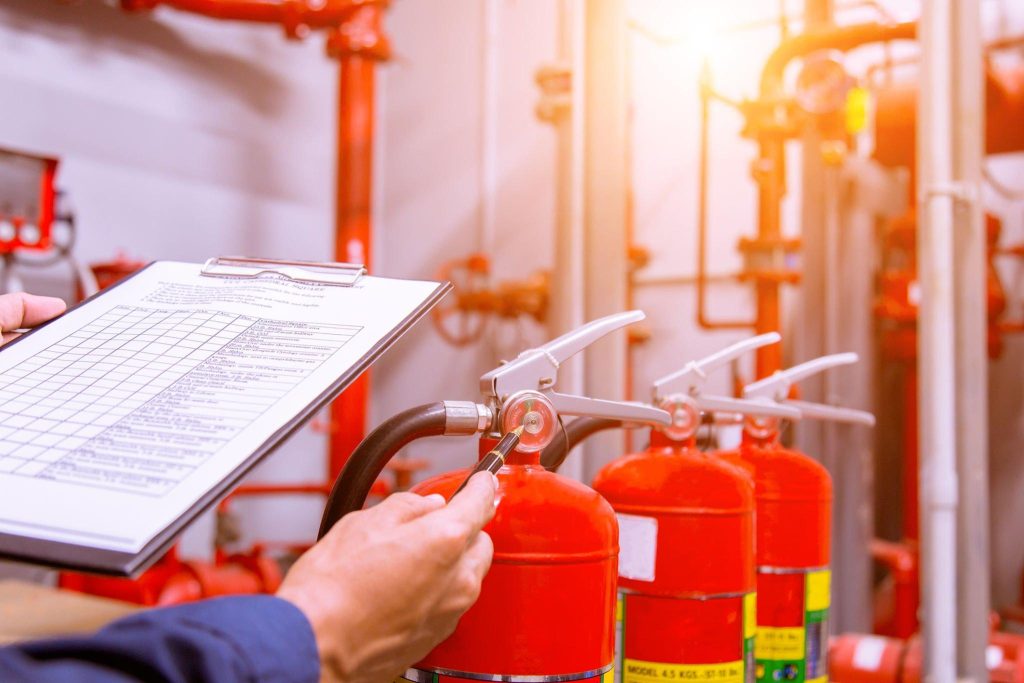
Fire Prevention Measures:
a. Fire Extinguishers: Ensure that fire extinguishers are strategically placed throughout your premises, and they are regularly inspected and maintained.
b. Smoke Alarms and Detectors: Install smoke alarms and detectors in all critical areas and make sure they are in working order.
c. Electrical Safety: Regularly inspect and maintain electrical systems to prevent short circuits or faulty wiring that can lead to fires.
d. Storage: Maintain clear and safe storage practices for flammable materials, and ensure they are stored in designated areas with proper ventilation.
Emergency Response Plan:
a. Evacuation Plan: Create and communicate a well-defined evacuation plan with clearly marked exits and assembly points.
b. Fire Drills: Conduct regular fire drills to ensure that employees are familiar with evacuation procedures and can react quickly during a fire emergency.
c. Designated Fire Wardens: Appoint and train employees as fire wardens who are responsible for guiding others during evacuations.
Building Infrastructure:
a. Escape Routes: Ensure that escape routes are unobstructed and easy to access. Install fire-resistant doors and ensure they are in good working condition.
b. Sprinkler Systems: Install and maintain automatic sprinkler systems as needed.
c. Fireproofing: Use fire-resistant building materials to reduce the spread of fire within the facility.
Inspection and Maintenance:
a. Regular Inspections: Schedule routine fire safety inspections to identify potential hazards, equipment failures, or violations of safety protocols.
b. Training: Provide regular fire safety training to employees, emphasizing the importance of fire prevention and response.
Regulatory Compliance:
a. Local Regulations: Stay up-to-date with local fire safety regulations and ensure that your business complies with them.
b. Documentation: Maintain accurate records of fire safety inspections, maintenance, and employee training.
“National Safety Council data shows self-audits using comprehensive checklists identify 80-85% of violations professional auditors would find. Buildings conducting quarterly self-audits reduce official audit violations by 73%. The 38-point checklist covers requirements from NBC 2016 Part 4, IS 2190 (fire extinguishers), and Model Building Byelaws. Fire department data: 67% blocked exits, 54% expired extinguishers, 48% faulty alarms.”
Conclusion
A fire safety audit is a crucial step in safeguarding your business, employees, and assets from the devastating effects of fire. By including the items on this checklist, you can create a safer work environment, reduce the risk of fire incidents, and ensure that you are well-prepared in case of an emergency.
Elion Technologies and Consulting Private Limited is committed to helping businesses like yours achieve the highest level of fire safety. If you need expert guidance or assistance with conducting a fire safety audit, don’t hesitate to reach out to us. Your safety is our priority, and together, we can make your workplace a more secure environment for everyone.
For more information, Please contact Elion Technologies and Consulting Private Limited