
Introduction
Electrical safety audits consistently identify seven recurring hazards: improper earthing (found in 64% of buildings), overloaded circuits (58%), damaged insulation (52%), exposed wiring (47%), inadequate circuit protection (43%), unauthorized DIY modifications (38%), and poor equipment grounding (34%). According to National Crime Records Bureau data, these hazards cause 47% of building fires in India, with electrical faults accounting for 17,000+ fire-related deaths annually.
Institution of Engineers India surveys reveal that improper earthing, overloaded circuits, and damaged insulation together account for 76% of electrical fire causes. Most are preventable through regular inspection and timely maintenance, yet only 34% of commercial buildings maintain full IS 732 electrical code compliance according to independent audits of 500+ facilities.
An IT office building in Pune experienced recurring breaker trips before scheduling an electrical audit. Inspection revealed 23 overloaded circuits (73% operating above 80% capacity), improper earthing with 18-ohm resistance (IS 732 requires <8 ohms), and 47 instances of damaged cable insulation. Correction costs totaled ₹2.8 lakhs but prevented potential electrical fire damage estimated at ₹45+ lakhs based on insurance industry loss data.
Understanding hazard prevalence helps prioritize inspection focus and budget allocation. Correction costs range from ₹5,000 (simple fixes like damaged insulation repair) to ₹3 lakhs (complete circuit redesign for chronic overloading). Early detection through annual audits prevents 85-90% of electrical failures per IEEE maintenance standards.
“According to National Crime Records Bureau electrical fire data, 47% of building fires originate from electrical faults. Institution of Engineers India surveys found improper earthing in 64% of audited buildings, overloaded circuits in 58%, and damaged insulation in 52%. These three hazards account for 76% of electrical fire causes. Only 34% of commercial buildings maintain full IS 732 compliance per independent audits.”
Common Electrical Hazards
7 common electrical hazards found in audits: 1) Improper earthing (64% prevalence, ₹15k-80k fix), 2) Overloaded circuits (58%, ₹25k-2L), 3) Damaged insulation (52%, ₹8k-50k), 4) Exposed wiring (47%, ₹10k-1.2L), 5) Inadequate protection (43%, ₹20k-1.5L), 6) DIY modifications (38%, varies), 7) Poor grounding (34%, ₹12k-60k).
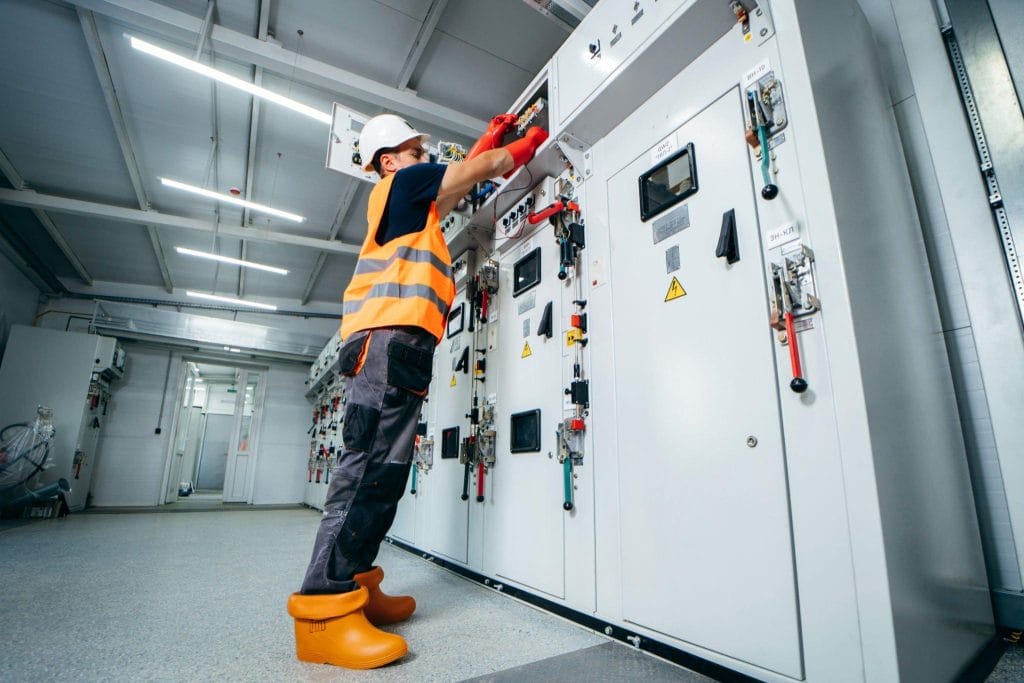
Electrical Shock: Electrical shock is one of the most immediate and severe electrical hazards. It occurs when a person comes into contact with live electrical components, and the severity can range from minor discomfort to fatal injuries. Safety audits often uncover issues like exposed wiring, poorly maintained equipment, and inadequate grounding, which can increase the risk of electrical shock. Proper insulation, regular equipment maintenance, and grounding are crucial in preventing these incidents.
Arc Flash and Arc Blast: Arc flashes and arc blasts result from the release of energy caused by a short circuit, accidental contact, or equipment failure. These events can cause intense heat, pressure, and intense light, resulting in severe burns, hearing damage, and even fatalities. Safety audits may reveal the lack of personal protective equipment (PPE), insufficient training, or improper labeling of electrical panels and equipment. Addressing these issues is essential for minimizing the risk of arc flash incidents.
Overloaded Circuits: Overloaded circuits can lead to overheating and fires. During safety audits, professionals may identify situations where circuits are handling more electrical load than they are designed for. Regular load assessments, circuit upgrades, and the use of circuit breakers can help prevent overloads and reduce the risk of electrical fires.
Inadequate Grounding and Bonding: Poor grounding and bonding can result in electrical systems not functioning as intended. Safety audits may reveal issues with improper grounding, which can lead to equipment malfunctions and electrical leakage. Ensuring that all electrical equipment is correctly grounded and bonded is crucial for safety.
Inadequate Training and Awareness: The lack of proper training and awareness among employees is a common issue uncovered in safety audits. Employees need to be educated on electrical safety procedures, the use of PPE, and how to identify and report electrical hazards. Ongoing training and regular safety drills are vital to maintaining a safe work environment.
Inadequate Maintenance: Inadequate maintenance of electrical equipment and systems is another common issue. Safety audits often reveal equipment that is not well-maintained, which can lead to breakdowns, malfunctions, and potential hazards. Establishing a proactive maintenance schedule and promptly addressing any issues can significantly reduce these risks.
Conclusion
Elion Technologies and Consulting Private Limited takes safety seriously, and understanding and addressing electrical hazards is a crucial part of maintaining a safe work environment. Safety audits help uncover potential electrical hazards and risks that can be mitigated through proper training, maintenance, and awareness. By proactively addressing these issues, we can ensure the safety and well-being of everyone in our organization. If you have any questions or need assistance with electrical safety, please don’t hesitate to contact us.
Contact Elion Technologies and Consulting Private Limited today to learn more about how we can assist your organization in achieving safety excellence.