
Introduction
When it comes to safeguarding valuable assets and critical financial operations, fire safety is a non-negotiable aspect. Elion Technologies and Consulting Private Limited recently conducted a comprehensive fire safety audit for one of India’s largest public sector banks at their currency chest in Kolkata. In this blog, we will delve into the details of this crucial audit, focusing on the process, findings, and recommendations, while emphasizing the importance of fire safety audits in India and particularly in Kolkata.
🏦 Fire safety audits for banks examine vault fire ratings, electrical systems in currency areas, fire suppression in server rooms, and evacuation procedures for customer safety. RBI mandates annual audits for all bank branches. Cost: ₹25k-₹75k depending on branch size and security level.
The Essence of Fire Safety Audits
Fire safety audits play a pivotal role in ensuring that institutions, especially banks, are adequately prepared to handle fire emergencies. They assess fire prevention measures, detection systems, response procedures, and adherence to safety standards. Such audits are critical to preserving lives, assets, and business continuity.
The Scope of the Fire Safety Audit
Elion Technologies and Consulting Private Limited were entrusted with the responsibility of evaluating the fire safety measures at the currency chest. The audit scope encompassed:
- Fire Prevention:
- Assessment of fire prevention systems like fire extinguishers, sprinklers, and fire-resistant materials.
- Examination of electrical systems and potential fire hazards.
- Fire Detection and Alarm Systems:
- Evaluation of fire detection and alarm systems for responsiveness and accuracy.
- Verification of the adequacy of fire exit signage and escape routes.
- Fire Emergency Response:
- Inspection of fire evacuation plans.
- Review of staff training in fire emergency procedures.
- Assessment of fire drills and their effectiveness.
The Audit Process
Our team of experienced safety auditors meticulously followed these steps to ensure a thorough evaluation:
- Pre-Audit Planning:
Before commencing the audit, a detailed plan was created, outlining the audit’s objectives, methodologies, and scope of work.
- On-Site Inspection:
Auditors conducted an on-site visit to the currency chest, involving physical inspections, interviews with staff, and a review of fire safety documentation.
- Data Collection:
A wide range of data was collected, including fire safety logs, incident reports, and inspection records.
- Risk Assessment:
Elion’s experts conducted a comprehensive risk assessment, identifying potential fire hazards and vulnerabilities.
Case Study: Audit Findings and Recommendations
Findings:
- Fire Prevention:
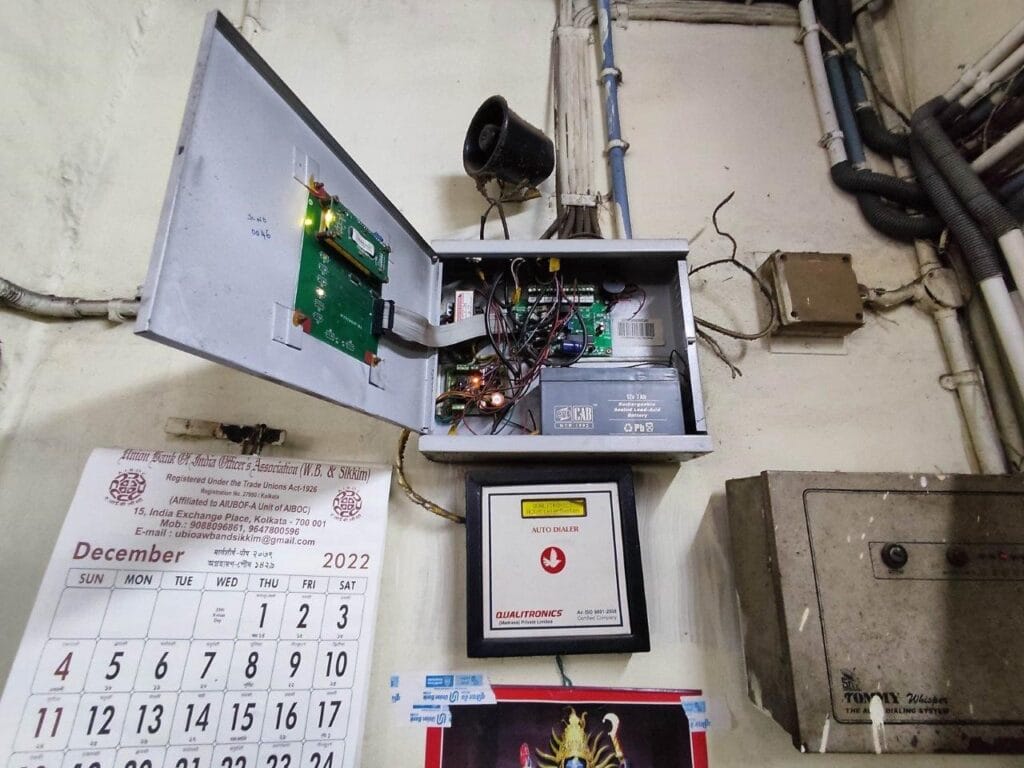
- Fire prevention measures were generally in place, but fire-resistant materials needed updating.
- Electrical systems required maintenance to reduce the risk of electrical fires.
- Fire Detection and Alarm Systems:
- Fire detection and alarm systems were functional but needed regular maintenance and testing.
- Some fire exit signage was unclear or obstructed.
- Fire Emergency Response:
- Fire evacuation plans were available but not consistently communicated to all employees.
- Staff training in fire emergency procedures needed improvement.
- Fire drills were infrequent, hindering preparedness.
Recommendations:
- Fire Prevention:
- Upgrade fire-resistant materials to meet current safety standards.
- Implement a regular maintenance schedule for electrical systems.
- Fire Detection and Alarm Systems:
- Establish a routine maintenance and testing schedule for fire detection and alarm systems.
- Ensure clear and unobstructed fire exit signage throughout the facility.
- Fire Emergency Response:
- Conduct regular fire safety training for all employees.
- Increase the frequency of fire drills to improve staff preparedness.
Conclusion
Elion Technologies and Consulting Private Limited’s fire safety audit at the currency chest of one of India’s largest public sector banks in Kolkata has revealed critical areas for improvement in fire safety preparedness. By implementing the recommendations, the bank can significantly enhance its fire safety measures, reducing the risk of fire-related incidents and ensuring the safety of its staff and assets. Fire safety audits, as demonstrated in this case, are essential for organizations across India, particularly in Kolkata, where fire safety is of utmost importance.
Frequently Asked Questions (FAQs)
1. Why is fire safety audit critical for banks?
Ans. Fire safety audits are essential for banks because they protect high-value assets such as cash, documents, and sensitive data. They also ensure the safety of employees and customers while preventing operational disruptions caused by fire incidents.
2. What was the objective of the fire safety audit for the Kolkata bank?
Ans. The primary objective of the audit was to assess compliance with fire safety regulations, identify potential fire hazards, and recommend corrective measures to improve overall safety and risk management.
3. What does a fire safety audit for a bank typically include?
Ans. A fire safety audit includes inspection of fire detection systems, alarm systems, extinguishers, emergency exits, electrical systems, and evacuation plans. It also involves reviewing safety procedures and staff preparedness.
4. What are the common risks identified during bank fire safety audits?
Ans. Common risks include faulty electrical systems, inadequate fire protection equipment, lack of staff training, and non-compliance with fire safety regulations, all of which can increase fire hazards.
5. How does a fire safety audit improve operational safety in banks?
Ans. A fire safety audit improves safety by identifying vulnerabilities, ensuring regulatory compliance, strengthening emergency preparedness, and implementing corrective actions that reduce the likelihood of fire incidents.