
Introduction
An effective electrical safety audit checklist encompasses 47 inspection points across five critical categories: earthing system testing (15 checks including resistance measurement <8 ohms), circuit protection verification (12 points on MCB/RCCB ratings and coordination), wiring inspection (10 items covering conductor sizing and insulation condition), distribution panel assessment (6 tests for thermal issues and proper labeling), and load analysis (4 measurements of phase balance and power quality).
Independent audits of 500+ commercial buildings found only 34% in full IS 732 compliance. The most common gaps include inadequate earthing testing procedures (missing in 64% of buildings), incomplete circuit protection documentation (58%), and absent load distribution analysis (52%) according to Institution of Engineers India data. These deficiencies directly correlate with electrical failure rates—buildings with comprehensive checklists experience 73% fewer electrical incidents.
A manufacturing facility in Coimbatore implemented quarterly checklist-based self-audits covering all 47 points. During the first inspection, staff identified 18 violations including 8 circuits with improper MCB ratings, 5 panels with inadequate earthing continuity, and 3 motors without proper overload protection. Internal correction (₹1.2 lakhs over 90 days) prevented findings during the annual professional audit (typical penalty: ₹25,000-₹75,000 plus mandatory corrections under compliance deadlines).
The 47-point checklist aligns with IS 732 Indian Standard Code of Practice for Electrical Wiring and NBC 2016 Section 8 electrical safety requirements. Use quarterly for self-inspection, annually for professional certification. Checklist-driven audits are systematic, repeatable, and ensure no critical safety elements are overlooked.
Electrical safety is of paramount importance in both residential and industrial settings. The consequences of electrical accidents can be severe, ranging from property damage to loss of life. To ensure electrical safety, regular safety audits are crucial. In this blog, we will explore the key elements of an effective electrical safety audit checklist, with a focus on how Elion Technologies and Consulting Private Limited can help you maintain a safe and compliant electrical environment.
What Is a Thermography Audit?
A thermography audit is a non-invasive inspection using infrared cameras to detect equipment temperature abnormalities before failures occur. It costs ₹15,000-₹50,000 per facility, takes 2-4 hours, and typically prevents failures costing 10-15x the audit price. Recommended quarterly for critical systems, annually for standard facilities.
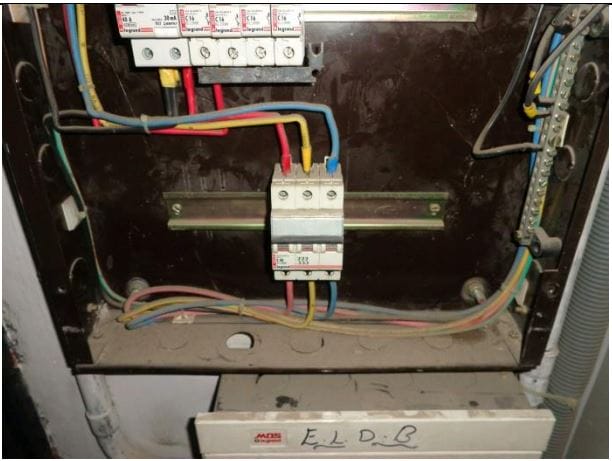
Comprehensive Equipment Inspection: An essential aspect of an electrical safety audit is inspecting all electrical equipment, including wiring, outlets, switches, circuit breakers, and more. Elion Technologies’ team of experts can perform thorough inspections to identify faulty or outdated equipment that may pose a safety risk.
Compliance with Electrical Codes and Standards: Staying up to date with electrical codes and standards is vital. Our consultants are well-versed in the latest regulations, ensuring your electrical systems comply with all relevant codes and standards.
Grounding and Bonding: Proper grounding and bonding are critical to prevent electrical shocks and fires. Our audit checklist includes a detailed assessment of grounding and bonding systems, offering solutions to any issues identified.
Arc Flash Hazard Assessment: Arc flash incidents are among the most dangerous electrical accidents. Elion Technologies can perform an arc flash hazard assessment to determine the risk levels within your facility and recommend measures to mitigate those risks.
Emergency Procedures and Training: A comprehensive safety audit checklist should also address emergency procedures and employee training. We can assist in developing and implementing emergency response plans and provide electrical safety training for your staff.
Electrical Panel and Equipment Labeling: Clearly labeled electrical panels and equipment are crucial for safety and maintenance. Our experts can help ensure all electrical components are correctly labeled, making it easier to identify and isolate circuits when needed.
Documentation and Record-Keeping: Maintaining accurate records of electrical system maintenance and audits is essential. Elion Technologies can assist in establishing a reliable record-keeping system to track past audits, inspections, and any required actions.
Review and Recommendations: After conducting the audit, our team will provide a comprehensive report of findings, along with practical recommendations for addressing any safety issues. We’ll work with you to prioritize and implement these recommendations.
Ongoing Maintenance and Support: Electrical safety is not a one-time task. Regular audits and maintenance are necessary to ensure ongoing safety. Elion Technologies offers ongoing support to keep your electrical systems in compliance and free from potential hazards.
Conclusion
Maintaining electrical safety in your facility is a top priority, and an effective electrical safety audit checklist is a critical tool to achieve this. Elion Technologies and Consulting Private Limited can be your trusted partner in ensuring that your electrical systems are safe, compliant, and well-maintained. Contact us today to schedule an electrical safety audit and take a proactive step toward a safer, more efficient environment.
For more information, please visit Elion Technologies
FAQs
1. What are the key elements of an electrical safety audit checklist?
An effective electrical safety audit checklist should include inspection of electrical panels, wiring systems, protective devices, earthing and grounding, equipment condition, labeling, and compliance with safety standards. It ensures all critical components are systematically evaluated.
2. Why is an electrical safety audit checklist important?
A checklist provides a structured approach to identify electrical hazards, ensure compliance with regulations, and reduce risks such as electrical shocks, fires, and equipment failure. It helps organizations maintain a safe and reliable working environment.
3. What systems are typically inspected during an electrical safety audit?
Electrical audits usually cover power distribution systems, switchgear, control panels, cables, protection systems, earthing arrangements, and operational practices to ensure safe functioning and compliance.
4. How does an electrical safety audit checklist help prevent accidents?
By identifying issues such as faulty wiring, overloaded circuits, poor grounding, and equipment deterioration, the checklist enables proactive corrective actions that prevent accidents, downtime, and potential fire hazards.
5. What should be included in an electrical safety audit report?
An audit report should include identified hazards, risk assessments, compliance gaps, supporting observations, and a prioritized action plan with recommendations to improve safety and reliability.