
Introduction
Proper thermography audit preparation requires 8 systematic steps completed over 7-14 days before the scheduled inspection: booking the audit 2 weeks in advance, ensuring equipment operates at 60-80% load during scanning, cleaning panel covers for auditor access, gathering current electrical drawings, identifying critical equipment priorities, documenting previous repairs and known issues, coordinating facility access with the audit team, and briefing staff on audit day procedures and safety protocols.
According to NFPA 70B maintenance guidelines, facilities completing thorough pre-audit preparation reduce audit duration by 30-40% (cost savings of ₹5,000-₹15,000 on audit fees) and improve fault detection accuracy by 25-30%. Equipment operating below 50% load during thermal scans produces unreliable signatures, causing auditors to miss 35-45% of developing faults that would be visible under proper loading conditions.
A pharmaceutical plant in Baddi scheduled thermography without preparation—equipment ran at 35% load, panel covers were inaccessible due to storage clutter, and no electrical drawings were available. The audit took 9 hours (versus typical 5-6 hours) with limited findings due to low thermal signatures. Three months later, a properly prepared follow-up audit (equipment at 75% load, cleaned access, drawings provided) identified 23 hotspots including 5 critical issues missed during the first scan.
Preparation costs range from ₹5,000-₹20,000 (panel cleaning, drawing updates, minor access improvements) but significantly improve audit value. Schedule preparation activities 7-14 days before the audit to ensure completion without rushing.
Thermography audits have become a crucial tool for businesses in various industries, helping them identify and address issues related to energy efficiency, equipment maintenance, and safety. Elion Technologies and Consulting Private Limited, a leading expert in thermography audits, is here to guide you on how to prepare for a successful thermography audit. By following these steps, you can maximize the benefits of this powerful technology and make informed decisions to improve your facility’s performance and reduce operational costs.
“Facilities that complete pre-audit preparation reduce audit duration by 30-40% (cost savings of ₹5k-15k) and improve detection accuracy by 25-30% per NFPA 70B guidelines. Equipment operating at 60-80% load produces reliable thermal signatures—testing below 50% load misses 35-45% of developing faults. Preparation investment (₹5k-20k) prevents missed findings worth ₹3.5-5L average per critical fault.”
Thermography Prep
Prepare for thermography in 8 steps: 1) Schedule 2 weeks ahead, 2) Ensure 60-80% equipment load during scan, 3) Clean panel covers for access (₹3k-8k), 4) Gather electrical drawings, 5) List critical equipment priorities, 6) Document previous repairs, 7) Coordinate access with auditors, 8) Brief staff on audit day procedures. Preparation cost: ₹5k-20k. Timeline: 7-14 days.
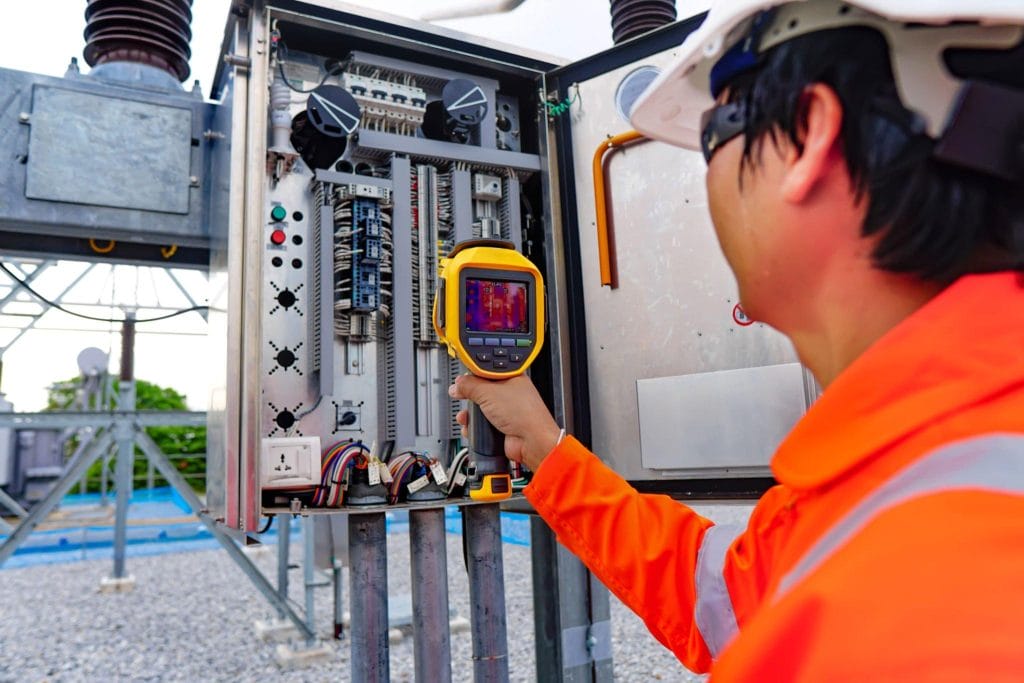
- Understand the Purpose of a Thermography Audit
Before you begin, it’s essential to understand the primary goals of a thermography audit. This type of inspection uses thermal imaging to detect variations in temperature, which can highlight problems like electrical issues, insulation deficiencies, and mechanical malfunctions. By comprehending the purpose and potential outcomes of the audit, you can set clear objectives and priorities.
- Choose the Right Service Provider
Selecting a reputable thermography service provider is key to a successful audit. Elion Technologies and Consulting Private Limited has a strong track record in this field and can offer the expertise and equipment required to provide accurate results. Make sure to verify the credentials, experience, and references of the thermography professionals you intend to hire.
- Establish Clear Objectives and Scope
Clearly define the objectives and scope of your thermography audit. Determine which systems, components, or areas of your facility will be inspected. This may include electrical panels, HVAC systems, building envelopes, or specific machinery. Having a well-defined scope will ensure that the audit focuses on the areas most critical to your operations.
- Prepare the Facility
Proper preparation is essential for an effective thermography audit. Ensure that the equipment to be inspected is operational and accessible. Remove any obstructions that might impede the thermographer’s access to the equipment. Additionally, notify your staff and stakeholders about the audit to ensure their cooperation and understanding.
- Schedule the Audit
Coordinate with your chosen thermography service provider to schedule the audit at a time that minimizes disruption to your operations. Consider conducting the audit during non-peak hours or during planned maintenance shutdowns to capture the most accurate data.
- Safety First
Safety should always be a top priority during a thermography audit. Ensure that your thermography team follows all safety protocols and guidelines. Additionally, provide them with the necessary personal protective equipment (PPE) if they will be working in potentially hazardous areas.
- Review the Results
Once the thermography audit is complete, collaborate with the service provider to review the findings. Elion Technologies and Consulting Private Limited will provide you with detailed reports and thermal images. These results will help you identify areas that require attention and plan necessary repairs or maintenance.
- Implement Recommendations
Act on the recommendations provided by your thermography audit. Prioritize and plan the necessary repairs, maintenance, or upgrades to address the issues uncovered during the inspection. This proactive approach can help you prevent costly breakdowns and improve energy efficiency.
- Regular Follow-Up Audits
Thermography is not a one-time solution. Regular follow-up audits are essential to track the effectiveness of the measures taken and identify any new issues that may have arisen. This proactive approach can help you maintain the health and efficiency of your facility over time.
Conclusion
Elion Technologies and Consulting Private Limited’s expertise in thermography audits can provide your business with valuable insights into the condition of your equipment and infrastructure. By understanding the process and following the steps outlined above, you can prepare for a successful thermography audit that leads to enhanced operational efficiency, reduced maintenance costs, and improved safety. Don’t wait until problems become critical; take a proactive approach to facility management with a well-planned thermography audit.
For more information, please visit Elion Technologies
FAQs
1. What should be prepared before a thermography audit?
Before a thermography audit, ensure that all electrical panels and equipment are accessible, operating under normal load conditions, and properly labeled. Relevant documents such as single-line diagrams and maintenance records should also be ready for review.
2. Why is load condition important during a thermography audit?
Thermography detects heat variations, so equipment must be running under sufficient load to reveal potential faults. Low or no load conditions may hide issues like loose connections or overheating components.
3. Is it necessary to shut down equipment for thermography inspection?
No, thermography audits are typically conducted on live systems. This allows accurate detection of real-time heat patterns without interrupting operations.
4. What common issues can be identified during a thermography audit?
Common findings include loose electrical connections, overloaded circuits, phase imbalances, insulation failures, and overheating components that may lead to equipment failure or fire hazards.
5. How can proper preparation improve thermography audit results?
Proper preparation ensures better accessibility, accurate readings, and faster inspection. It helps auditors identify issues more effectively and provide reliable, actionable recommendations.