
Introduction
An industrial gases supplier in Panipat, Haryana operates a high-risk facility handling flammable and pressurized gases. Given the nature of operations and exposure to open atmospheric conditions, the risk of lightning strikes posed a serious threat to personnel safety, equipment integrity, and operational continuity.
To address these risks and ensure compliance with international safety standards, the facility engaged Elion Technologies & Consulting Pvt. Ltd. to conduct a comprehensive lightning risk assessment. The objective was to evaluate the probability and impact of lightning strikes and design an effective mitigation strategy.
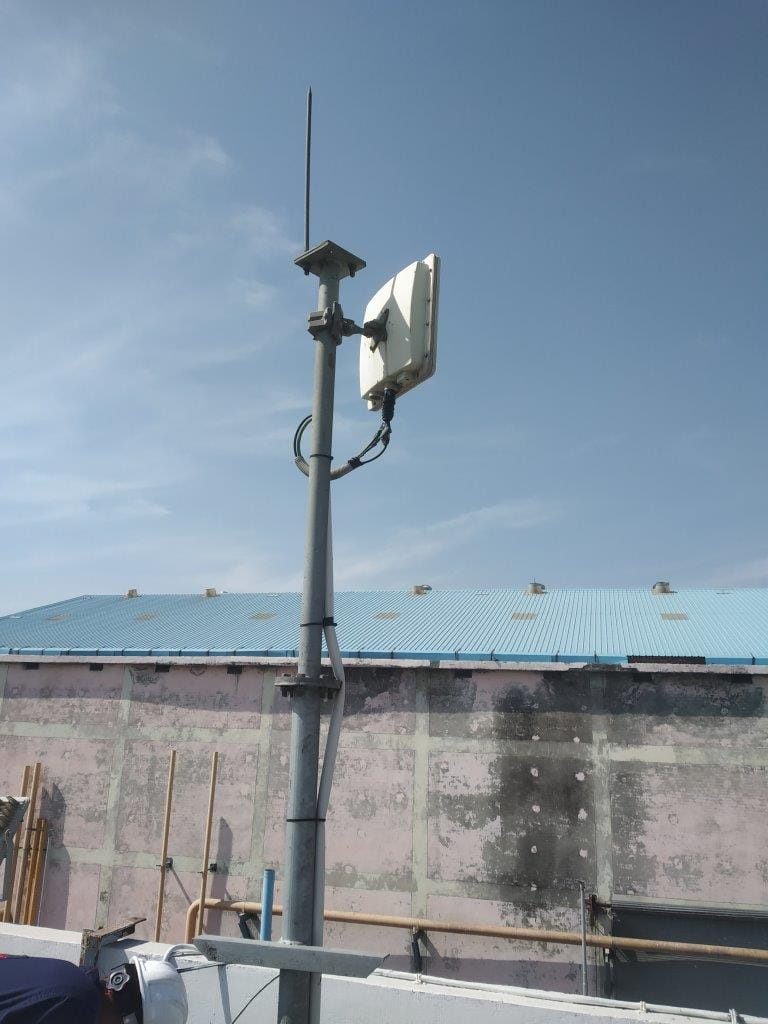
Lightning Risk Assessment for an Industrial Gases Supplier in Panipat
Client Background
Our valued client, an industrial gases supplier in Panipat, is committed to delivering critical gases to various industries while maintaining the highest standards of safety. Recognizing the vulnerability of their operations to lightning strikes, they engaged us to conduct a comprehensive lightning risk assessment.
Assessment Scope
Elion Technologies and Consulting Private Limited embarked on a comprehensive lightning risk assessment tailored to the specific needs of the industrial gases supplier. The assessment scope included:
- Site Evaluation: A thorough examination of the facility to identify structures, equipment, and assets susceptible to lightning strikes.
- Lightning Protection Systems: Evaluation of existing lightning protection systems, such as lightning rods, grounding, and surge protection, to assess their adequacy and compliance with industry standards.
- Risk Assessment: Quantitative assessment of lightning-related risks to the facility, including the probability of lightning strikes and their potential impact.
- Safety Protocols and Training: A review of existing safety protocols and employee training programs to ensure alignment with industry standards and regulatory requirements related to lightning safety.
The Role of a Safety Auditor
A safety auditor serves as the linchpin in identifying potential safety risks, assessing safety measures, and ensuring regulatory compliance. In this case study, our safety auditor meticulously examined each aspect of the lightning risk assessment, drawing upon their expertise to identify vulnerabilities, compliance issues, and lightning-related risks.
Key Findings and Recommendations
Following the comprehensive lightning risk assessment, we provided several recommendations:
- Lightning Protection Systems Enhancement: Recommendations to enhance the existing lightning protection systems, including installing additional lightning rods and optimizing grounding to improve the facility’s overall protection.
- Equipment Protection: Suggestions for the installation of surge protection devices and shielding for critical equipment and assets vulnerable to lightning-induced electrical surges.
- Site Design and Layout: Recommendations for site design and layout modifications to reduce the likelihood of lightning strikes affecting the facility.
- Safety Protocols and Training: Implementation of enhanced safety protocols and training programs to educate employees on lightning safety measures and emergency response procedures.
Lightning Risk Assessment Results
The calculated risk parameters are summarized below:
| Parameter | Value | Remarks |
|---|---|---|
| Lightning Flash Density (Ng) | 3.5 flashes/km²/year | High lightning activity zone |
| Collection Area | 18,000 m² | Large exposed facility |
| Annual Strike Probability | 0.065 | Moderate to high risk |
| Calculated Risk (R1) | 1.2 × 10⁻⁴ | Above tolerable limit |
| Tolerable Risk (RT) | 1.0 × 10⁻⁵ | As per IEC 62305 |
| Risk Status | Not Acceptable | Mitigation required |
Risk Factors Identified
| Risk Factor | Impact Level | Observation |
|---|---|---|
| Open storage of gas cylinders | High | Direct exposure to lightning strikes |
| Inadequate earthing system | High | High resistance observed |
| Absence of surge protection | Critical | Sensitive equipment at risk |
| Lack of air termination system | High | No interception mechanism |
| Improper bonding | Medium | Potential for side flashes |
Results and Impact
After the lightning risk assessment and the implementation of our recommendations, the industrial gases supplier in Panipat significantly improved its lightning safety measures and risk mitigation strategies. This not only enhanced the safety of their operations but also bolstered their commitment to delivering critical gases with reliability and security.
FAQs
What is a lightning risk assessment?
It is a systematic evaluation of lightning strike probability and its impact on a facility.
How to design a lightning protection system?
By assessing risk, installing air termination systems, down conductors, and proper earthing.
Which standards apply?
IEC 62305 and NFPA 780 are widely used standards.
What are common lightning risk factors?
Open exposure, poor earthing, absence of protection systems, and inadequate bonding.
How to mitigate lightning hazards?
By installing external and internal protection systems and ensuring proper maintenance.
Conclusion
Lightning risk assessments, such as the one conducted by Elion Technologies and Consulting Private Limited for the industrial gases supplier in Panipat, are essential for businesses operating in lightning-prone areas. A safety auditor plays a pivotal role in identifying potential risks, assessing safety measures, and optimizing risk mitigation strategies.
If you require a professional lightning risk assessment in India, do not hesitate to contact us. At Elion Technologies, we are dedicated to safeguarding your operations and assets through meticulous assessments and tailored recommendations. Trust us to be your partner in safety excellence.