
Introduction
Commercial energy audits identify 15-25% electricity savings opportunities through systematic analysis of HVAC systems (contributing 35% of typical savings), lighting efficiency (28%), motor and equipment optimization (22%), and power factor correction (15%). Bureau of Energy Efficiency data shows commercial buildings implementing audit recommendations achieve average savings of 18% on electricity bills, translating to ₹2-8 lakhs annually for typical 25,000-100,000 sq.ft facilities.
Energy audit costs range from ₹35,000 (small buildings, walk-through level) to ₹2.5 lakhs (large complexes, investment-grade analysis). For a 50,000 sq.ft office building with ₹15 lakh annual electricity spend, typical audit investment of ₹80,000-₹1.2 lakhs identifies savings averaging ₹2.7 lakhs per year (18% reduction). Simple payback period: 4-6 months on audit costs, 8-18 months on recommended capital improvements.
A Bangalore IT park (85,000 sq.ft, ₹28 lakh annual electricity cost) conducted a BEE-certified energy audit (₹1.8 lakhs investment). Findings: constant-speed HVAC consuming 45% of total energy, 3,200 T8 fluorescent fixtures, 12 oversized motors, and 0.78 power factor. Implemented recommendations (₹18 lakhs capital investment): VFD-controlled HVAC, LED replacement, motor rightsizing, and capacitor banks. Results: 22% energy reduction (₹6.2 lakhs annual savings), 34-month full payback including audit and improvements.
Buildings exceeding 120 kW connected load must conduct BEE-certified energy audits annually per Energy Conservation Act 2001. Beyond legal compliance, audits provide data-driven roadmaps for cost reduction and sustainability goal achievement.
In today’s rapidly changing business landscape, controlling operational costs is crucial for long-term sustainability and profitability. Energy costs are a significant expense for businesses, and finding ways to reduce these costs can lead to substantial savings. One effective strategy to achieve this is by conducting a commercial energy audit. Elion Technologies and Consulting Private Limited is here to guide you through the process and show you how businesses can save big on energy costs through this comprehensive assessment.
“BEE data shows commercial buildings implementing energy audit recommendations achieve average savings of 18% on electricity bills. For a 50,000 sq.ft office (₹15L annual electricity spend), this equals ₹2.7L savings. Audit investment (₹80k-1.2L) recovers in 4-6 months. LED lighting upgrades alone save 60-75% on lighting energy per BEE case studies. Savings breakdown: HVAC 35%, lighting 28%, motors 22%, power factor 15%.”
Energy Audit ROI
Commercial energy audits identify 15-25% savings opportunities through: HVAC optimization (35% of savings), lighting upgrades (28%), motor efficiency (22%), power factor correction (15%). Audit cost: ₹35k-2.5L depending on building size. Typical savings: ₹2-8L annually. Payback: 8-18 months. BEE certification required for buildings >120 kW connected load.
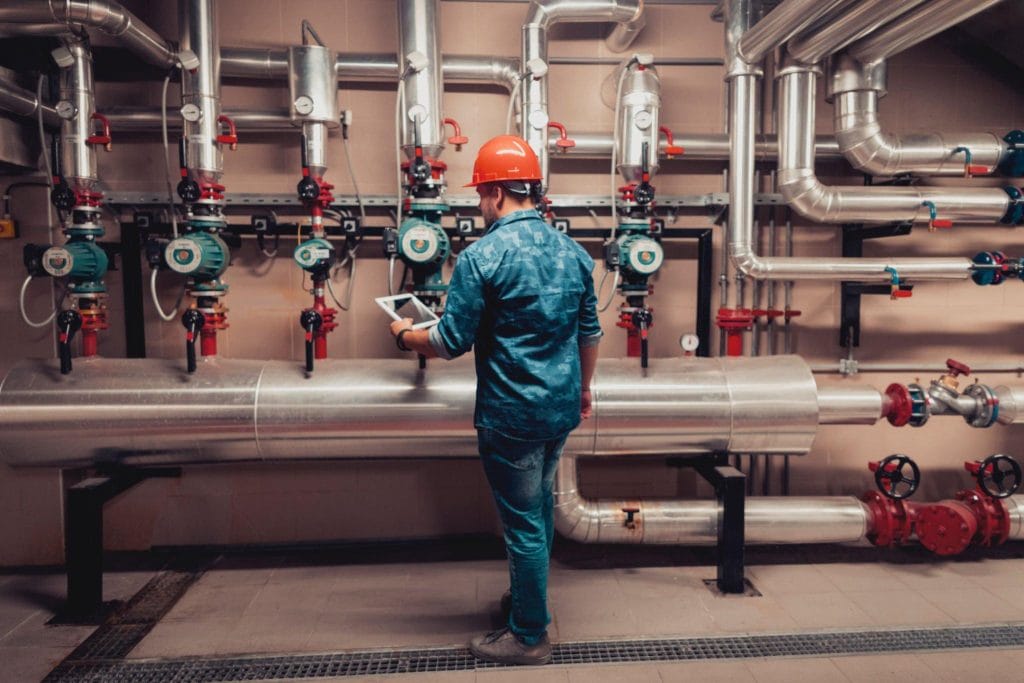
Understanding the Importance of a Commercial Energy Audit:
A commercial energy audit is a systematic evaluation of a business’s energy consumption, including electricity, heating, cooling, and other energy-related aspects. By analyzing the energy usage and identifying areas of inefficiency, businesses can make informed decisions to reduce their energy expenses. Here’s why it’s essential:
Cost Savings: Energy audits help identify energy wastage and inefficiencies, leading to significant cost savings in the long run.
Environmental Responsibility: Reducing energy consumption also reduces your carbon footprint, contributing to a more sustainable future.
Enhanced Competitiveness: Lower energy costs can make your business more competitive in the market by improving your profit margins.
The Commercial Energy Audit Process:
Elion Technologies and Consulting Private Limited can assist your business through the commercial energy audit process, which typically involves the following steps:
Data Collection: Gather historical energy usage data, utility bills, and information on your building’s systems and equipment.
On-Site Assessment: Conduct a thorough inspection of your facility to identify potential energy-saving opportunities and areas of improvement.
Energy Modeling: Use advanced software tools to create energy models that simulate your building’s energy consumption under different scenarios.
Recommendations: Based on the findings, we will provide a detailed report with recommendations for energy-efficient improvements, such as upgrading equipment, optimizing systems, and implementing renewable energy solutions.
Ways Businesses Can Save Big on Energy Costs:
Lighting Upgrades: Switch to energy-efficient LED lighting systems to reduce electricity consumption significantly.
HVAC System Optimization: Regular maintenance and upgrades to your heating, ventilation, and air conditioning systems can lead to substantial energy savings.
Insulation and Weatherization: Improve insulation and seal any air leaks to reduce heating and cooling energy waste.
Renewable Energy Integration: Consider incorporating solar panels, wind turbines, or other renewable energy sources to generate clean, cost-effective power.
Energy-Efficient Equipment: Upgrade appliances, machinery, and office equipment to energy-efficient models.
Behavioral Changes: Educate employees about energy conservation practices and encourage responsible energy usage.
Conclusion
A commercial energy audit conducted by Elion Technologies and Consulting Private Limited is a strategic step towards achieving significant cost savings for your business. By identifying energy inefficiencies and implementing recommended improvements, you can not only reduce your energy bills but also contribute to a more sustainable future. Contact us today to get started on your journey to saving big on energy costs while boosting your business’s competitiveness in the market.
For more information, please visit Energy audit
FAQs
1. What is a commercial energy audit?
A commercial energy audit is a detailed assessment of how a business consumes energy across its operations, including lighting, HVAC systems, equipment, and processes. It identifies inefficiencies and provides recommendations to reduce energy usage and operational costs.
2. How can a commercial energy audit help reduce energy costs?
An energy audit identifies areas where energy is being wasted and suggests practical improvements such as optimizing equipment usage, upgrading systems, and improving operational practices. Businesses can often achieve significant cost savings by implementing these recommendations.
3. What systems are typically analyzed during a commercial energy audit?
A commercial energy audit usually evaluates HVAC systems, lighting, electrical equipment, motors, insulation, and operational patterns to understand where energy is consumed and where efficiency can be improved.
4. What are the key benefits of a commercial energy audit for businesses?
Key benefits include reduced energy bills, improved operational efficiency, enhanced equipment performance, compliance with regulations, and a lower carbon footprint. It also helps businesses meet sustainability and ESG goals.
5. How much energy savings can a business expect after an audit?
Energy savings depend on the facility and implementation of recommendations, but many businesses achieve noticeable reductions in energy consumption and costs after addressing inefficiencies identified during the audit.