
Introduction
A professional energy audit for an Indian industrial or commercial facility typically reduces energy consumption by 15-25%, delivering ₹2-15 lakh in annual savings while measurably cutting carbon emissions.
According to the Bureau of Energy Efficiency (BEE), India’s industrial sector accounts for over 45% of national energy consumption, and mandatory energy audits under the Energy Conservation Act 2001 have helped designated consumers achieve average savings of 17% since the Act’s enforcement began.
The Ministry of Power reports that BEE-empanelled audits across Indian industries have collectively prevented over 80 million tonnes of CO₂ equivalent emissions between 2010 and 2022.
Consider a 50,000 sq.ft commercial office in Bengaluru spending ₹18 lakh annually on electricity: a single BEE-certified energy audit costing ₹75,000–₹1.5 lakh typically identifies ₹3-4.5 lakh in correctable waste — payback within 3-6 months — alongside a 22% reduction in Scope 2 carbon emissions reportable under GHG Protocol.
A Pune automotive components manufacturer similarly documented ₹12 lakh savings in Year 1 post-audit by fixing compressed air leaks, motor load scheduling, and lighting upgrades.
Energy audits in India are governed by the Energy Conservation Act 2001 and enforced by BEE. Designated consumers — factories, commercial buildings, and large hotels — are legally required to conduct audits every three years. Beyond compliance, audits generate an asset-level energy baseline, identify equipment degradation early, and provide a prioritised capital expenditure roadmap. For sustainability-reporting companies, audit findings directly feed into BRSR (Business Responsibility and Sustainability Reporting) disclosures mandated by SEBI since FY 2022-23. This blog explains the specific environmental benefits, compliance triggers, and return-on-investment calculations Indian facility managers need to evaluate before commissioning an energy audit.
“For a Hyderabad textile plant spending ₹50L/year on power, a BEE audit would typically uncover ₹8.5L in annual savings — enough to fund the audit 8-10 times over.”
Energy Audit Environmental Benefits
A BEE-certified energy audit identifies 15-25% energy savings and reduces carbon emissions by 20-30% for Indian industrial and commercial facilities. Typical payback is 3-12 months. For a ₹15L annual energy bill, expect ₹2.25-3.75L in verified savings and a documented CO₂ reduction for BRSR/ESG reporting.
- Identifying Energy Inefficiencies
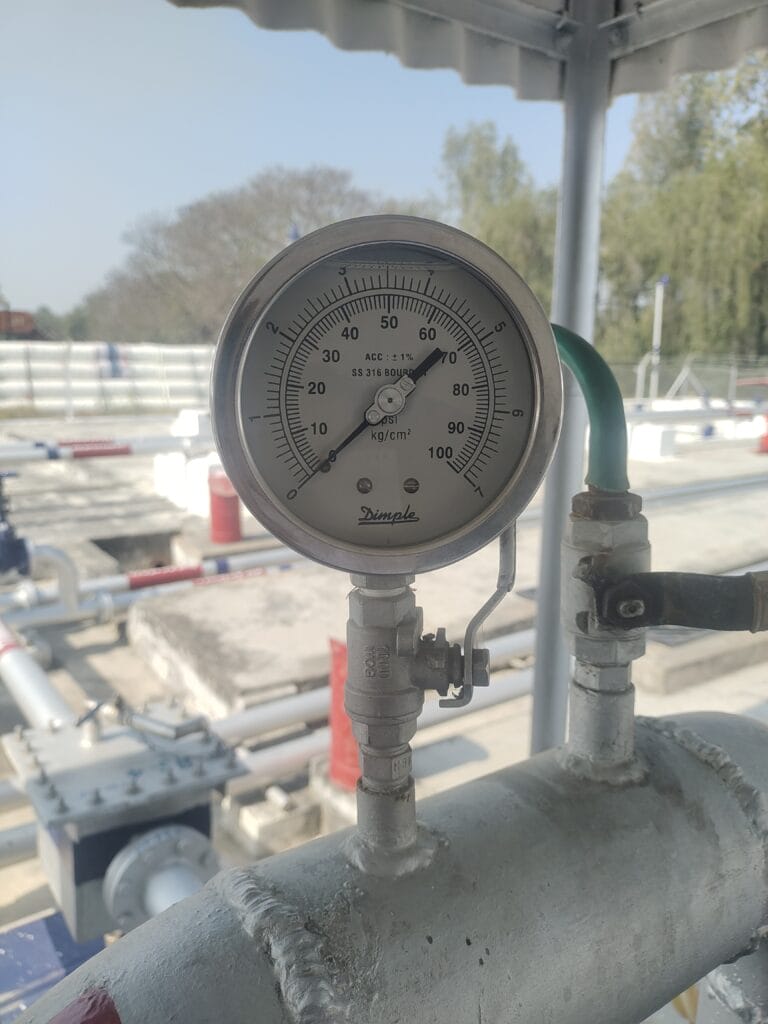
Energy audits involve a comprehensive review of a company’s energy consumption, systems, and processes. By pinpointing energy inefficiencies and areas where energy is being wasted, businesses can make informed decisions to improve their energy utilization. This not only reduces operational costs but also has a significant environmental impact. When companies use less energy, they decrease their carbon emissions, which directly contributes to a cleaner and more sustainable environment.
- Decreasing Greenhouse Gas Emissions
One of the most significant environmental benefits of energy audits is the reduction of greenhouse gas emissions. Many energy sources, such as fossil fuels, release carbon dioxide and other pollutants into the atmosphere when burned. By optimizing energy use and implementing more energy-efficient technologies, companies can cut their emissions, making a tangible contribution to global efforts to combat climate change.
- Meeting Regulatory Requirements
Governments and environmental agencies worldwide are implementing stricter regulations and standards to address environmental concerns. Conducting an energy audit can help companies ensure that they are in compliance with these regulations, avoiding potential fines and legal issues. Additionally, maintaining a good environmental track record is essential for businesses that wish to maintain a positive public image and attract eco-conscious consumers.
- Enhanced Corporate Social Responsibility
Investing in energy audits demonstrates a commitment to corporate social responsibility (CSR). By actively seeking ways to reduce their environmental impact, companies can enhance their CSR initiatives. This can lead to increased goodwill from customers, investors, and the community, ultimately boosting a company’s brand reputation and overall sustainability efforts.
- Cost Savings
While the focus of this blog is on the environmental benefits of energy audits, it’s important to note that cost savings often go hand-in-hand with these efforts. Energy-efficient practices typically lead to reduced energy bills, which can free up funds for further sustainability initiatives or other critical areas of the business.
- Long-Term Sustainability
By adopting the recommendations and solutions derived from energy audits, businesses not only reduce their immediate environmental impact but also establish a foundation for long-term sustainability. Energy-efficient upgrades and practices pay off over time, ensuring a more sustainable and resilient future for the company.
Conclusion
Elion Technologies and Consulting Private Limited is dedicated to helping businesses realize the numerous benefits of energy audits, including their positive impact on the environment and sustainability. Through the identification of energy inefficiencies, reduction of greenhouse gas emissions, regulatory compliance, CSR enhancement, cost savings, and the promotion of long-term sustainability, energy audits can play a pivotal role in advancing both environmental and economic goals. It’s clear that in the quest for a cleaner and more sustainable future, energy audits are a valuable tool that no responsible company should overlook.
For more information, please contact Elion Technologies
FAQs
Q1: How much money can an energy audit save for an Indian facility?
A: A BEE-certified energy audit typically identifies 15-25% energy savings. For a facility with a ₹15 lakh annual energy bill, this equals ₹2.25-3.75 lakh per year. Payback on audit costs (₹75,000-₹2 lakh) is usually 3-8 months.
Q2: Is an energy audit mandatory in India?
A: Yes. Under the Energy Conservation Act 2001, BEE-designated consumers — large energy users in industries, commercial buildings, and transport — must conduct energy audits every 3 years and submit reports to their State Designated Agency (SDA). Non-compliance attracts penalties up to ₹10 lakh.
Q3: How does an energy audit reduce carbon emissions?
A: By identifying and correcting energy waste — such as inefficient motors, compressed air leaks, and poor power factor — an energy audit reduces electricity consumption, directly lowering Scope 2 CO₂ emissions. BEE data shows audited facilities reduce emissions by 20-30% on average.
Q4: How long does an industrial energy audit take in India?
A: A preliminary energy audit takes 1-3 days for data collection. A detailed/investment-grade audit takes 2-4 weeks. Final report delivery typically follows within 30-45 days of site visit completion, per BEE standards.
Q5: What Indian standards govern energy audits?
A: Energy audits in India are governed by the Energy Conservation Act 2001, BEE’s Detailed Energy Audit Procedures (2011), and IS 14987 (Code of Practice for Energy Auditing). BEE-empanelled auditors must hold EA-I or EA-II certifications from NISE/BEE.
Q6: Can energy audit findings be used for ESG or BRSR reporting?
A: Yes. SEBI’s BRSR framework (mandatory for top-1000 NSE/BSE companies from FY 2022-23) requires Scope 1 and Scope 2 GHG disclosures. A certified energy audit provides the verified data needed to calculate and report these emissions accurately.